Roofs are more than functional—they’re reflections of the past. Throughout history, roofing styles have been shaped by cultural influences, local climates, available materials, and technological progress. From European-inspired slate roofs to hand-split wooden shakes of colonial America, every era has left its mark on architectural design. For homeowners in Waterford, MI, where historic homes blend with modern builds, understanding traditional roofing styles is not only fascinating but also helpful when preserving or renovating older structures. In this blog, we’ll explore key historic roofing types and their significance over time.
Thatched Roofs: The Humble Origins
Among the oldest roofing materials in human history, thatch—made from straw, reed, or grass—was widely used for centuries across Europe and Asia. While rare today in the U.S., this roofing style was prized for its insulation and accessibility. Its deep layers offered impressive waterproofing, despite lacking modern underlayment systems.
Although not suitable for Michigan’s wet climate today, the influence of thatched roofs lives on in design elements like steep slopes and overhanging eaves.
Wood Shingles and Shakes: Rustic and Durable
During colonial times, wood was abundant and easily split into shingles. Traditional wood shingles were typically uniform, while shakes were hand-split for a rougher, more rustic texture. They became especially popular in early American architecture, including Cape Cods and farmhouses.
While beautiful, wood roofing demands high maintenance and doesn’t perform well in areas with high humidity or fire risk. Today, some homeowners in Waterford opt for Owens Corning synthetic materials that replicate the look of wood shakes with superior durability and fire resistance.
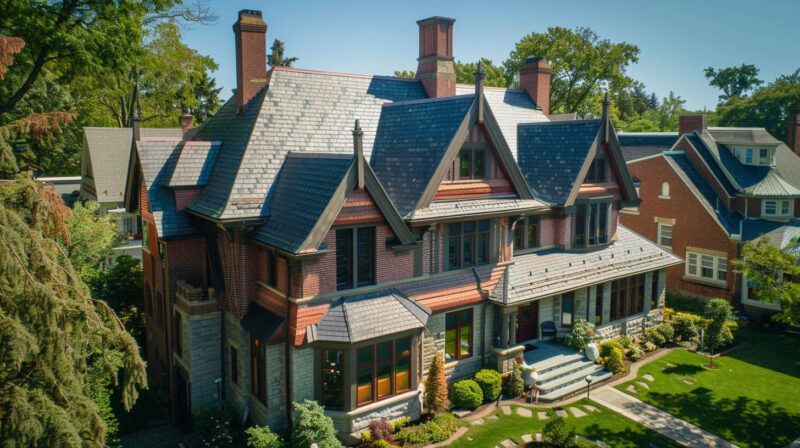
Slate Roofs: The Epitome of Prestige
Slate roofs first appeared in the United States during the mid-1800s and quickly became a symbol of affluence. Known for their natural beauty, durability, and longevity (up to 150 years or more), slate roofs are often seen on historic estates, churches, and Gothic Revival homes.
Due to their weight and cost, slate is not as common in modern construction, but its prestige continues to influence contemporary roofing designs that mimic the deep tones and layered texture of real slate.
Clay and Tile Roofs: Mediterranean Flair
Popular in the American Southwest and among Spanish Colonial Revival architecture, clay and terracotta tiles have been used for centuries. These materials naturally reflect sunlight and resist fire, making them ideal for hot, dry climates.
Although not native to Michigan’s architectural tradition, clay-inspired designs occasionally appear in custom homes or renovations. Lightweight concrete tiles and modern composites now allow for this classic look in areas like Waterford, where weight and cold resistance are essential considerations.
Metal Roofing: From Barns to Modern Homes
Historically, metal roofing was reserved for barns, farmhouses, and industrial buildings. But as manufacturing improved, metal emerged as a sleek, resilient roofing option. Early tin and copper roofs were highly resistant to fire and pests, making them ideal for rural properties.
Today, standing seam metal roofing is a popular choice for homeowners seeking a blend of historic appeal and modern performance. Its clean lines suit both traditional and contemporary homes and offer excellent protection in harsh weather—something particularly valuable in Waterford’s varied climate.
Preserving Roofing Heritage with Today’s Materials
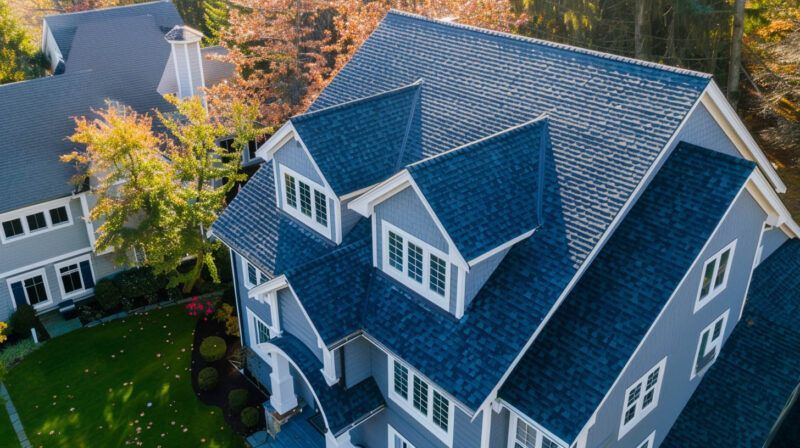
Modern homeowners looking to maintain the character of a historic home often choose materials that blend authenticity with performance. Innovations by manufacturers like Owens Corning make it possible to achieve the look of slate, shake, or tile without the drawbacks of weight or fragility. These synthetic alternatives allow homeowners to honor the past while safeguarding their homes for the future.
Work with Roofing Experts Who Understand Historic Homes
At
180 Contractors Roofing & Siding, we specialize in both modern roofing systems and the preservation of architectural integrity. Whether your home is a mid-century gem or a turn-of-the-century classic, our team understands how to match historical aesthetics with cutting-edge materials for long-lasting performance.
Read also our blog:
This One Roofing Tip Could Save You Thousands
When it comes to roofing, the past has plenty to teach us. By studying historic styles and choosing the right materials, you can preserve your home’s story—one shingle at a time.