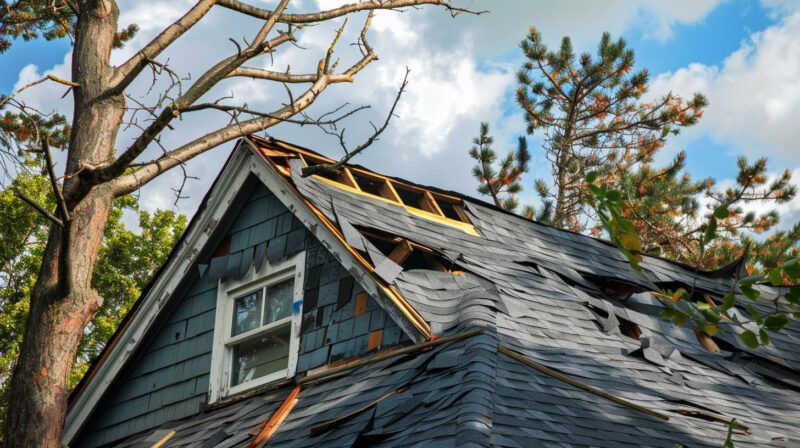
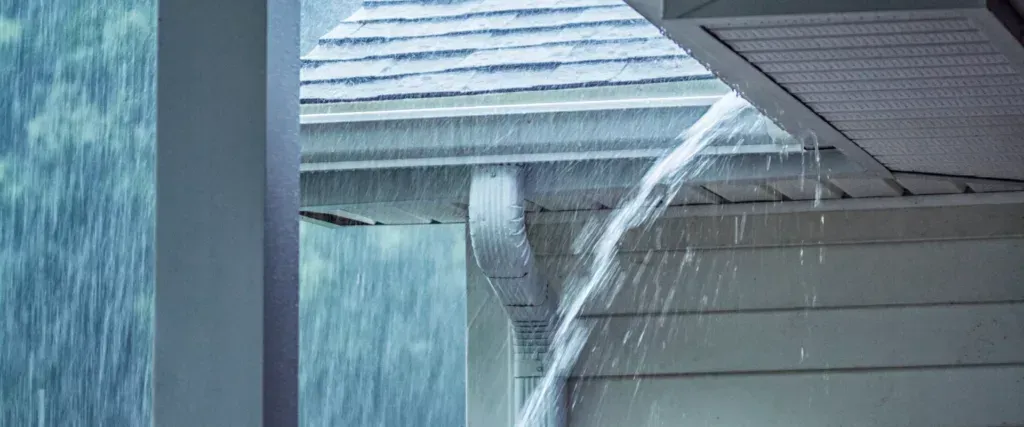
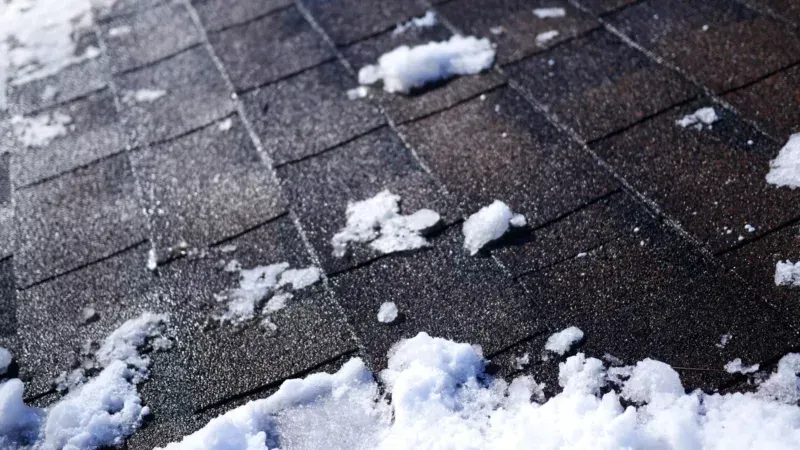
Storm season in Troy, MI can arrive with little warning and leave a trail of roof damage in its wake. From high winds and driving rain to falling debris and hail, your roof is on the front lines. The best way to avoid expensive repairs and dangerous leaks is to prepare before the storm hits—and know exactly what to do after it passes. In this blog, we’ll guide you through the steps to storm-proof your roof and bounce back quickly if damage occurs.
Pre-Storm Roof Preparation: Your First Line of Defense
Your roof is built to withstand the elements—but it can only do so effectively if it’s well-maintained. Here’s how to prepare your roof for incoming storms:
1. Schedule a Roof Inspection
Don’t wait until you see shingles flying to check your roof. A professional inspection can identify vulnerabilities like cracked flashing, lifted shingles, or worn seals around vents—all of which can lead to major leaks during a storm.
2. Secure Loose Shingles and Flashing
Make sure everything on the roof is properly fastened. High winds can easily tear away aging shingles or lift unsecured flashing, exposing your home to water damage.
3. Clean Gutters and Downspouts
Clogged gutters prevent proper drainage and can cause water to pool at the roofline, leading to rot and leaks. Clear debris so water flows away from your roof and foundation.
4. Trim Nearby Trees
Overhanging branches can snap during storms and fall on your roof, puncturing shingles or even creating structural damage. Trim trees safely before severe weather arrives.
5. Check Attic Ventilation
Good airflow reduces moisture buildup and protects your roof from mold and rot. A balanced ventilation system is critical year-round but especially before heavy rainfall.
When the Storm Hits: Safety First
If a storm is active, your priority should be safety—not roof inspections. Stay indoors, away from windows, and monitor weather alerts. If you notice leaks or ceiling bulges forming, use buckets to collect water and move valuables out of the way.
Do not climb onto your roof during a storm—it’s extremely dangerous and ineffective in high winds or rain.
After the Storm: Assessing and Recovering Quickly
Once it’s safe, take these steps:
1. Document the Damage
Use your phone to take clear photos of visible roof damage, fallen limbs, and interior leaks. This documentation will be important when filing an insurance claim.
2. Call a Certified Roofing Contractor
Avoid door-to-door “storm chasers” and instead contact a local, trusted professional. 180 Contractors Roofing & Siding has extensive experience with post-storm repairs in Troy and offers fast, reliable assessments with honest recommendations.
3. File Your Insurance Claim
With your photos and contractor’s inspection report in hand, contact your insurance provider. Most policies cover storm-related roof damage, but timely filing is crucial.
4. Schedule Repairs Promptly
Delaying repairs—even for small issues—can lead to mold, insulation damage, and skyrocketing costs. Prioritize water-tight sealing and full restoration as soon as possible.
Why Material Quality Matters After a Storm
Storm damage is a powerful reminder of the importance of quality roofing materials. Owens Corning shingles, for example, are tested for impact resistance and wind durability—making them a smart investment in Michigan’s unpredictable weather patterns.
When installed by a certified contractor, these systems come with extended warranties and improved storm resilience—giving you peace of mind long after the skies clear.
Read also our blog:
A Brief Look at Historic Roofing Styles
A well-prepared roof can be the difference between minor cleanup and major renovation. Don’t wait until the forecast turns grim—get ahead of the storm, and know who to call when it’s over.