A Complete Guide to Choosing the Best Siding for Your Home

180 Contractors • February 20, 2025
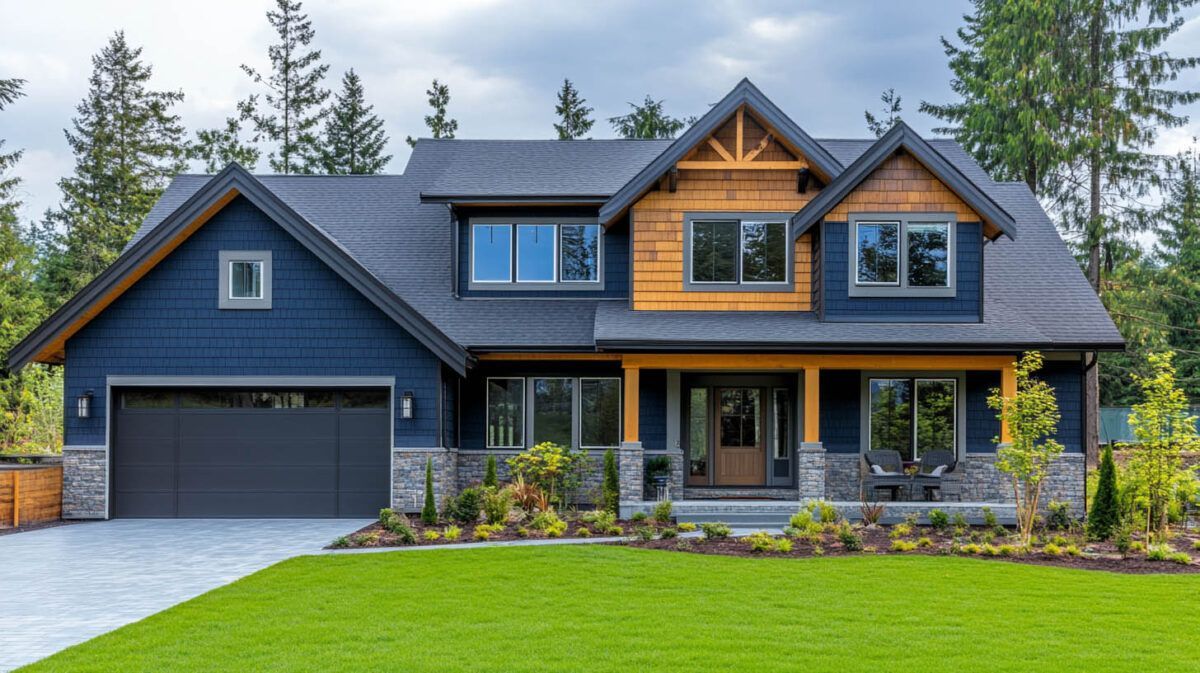
Modern dark-blue house with wood accents, a black roof, and a manicured green lawn, surrounded by trees

Understanding the Importance of Siding

Siding is more than just an exterior covering—it protects against the elements, enhances energy efficiency, and significantly boosts curb appeal. Choosing the right siding material impacts a home’s durability, maintenance needs, and resale value. With various styles and materials available, homeowners must weigh aesthetics, functionality, and long-term investment value when selecting siding.


Popular Siding Styles and Their Benefits

1. Traditional Lap Siding

Traditional lap siding, also known as clapboard siding, features horizontal panels that slightly overlap to create a classic, polished look. It is one of the most widely used styles due to its adaptability across various home designs.


Advantages

  • Works well with colonial, craftsman, and contemporary homes.
  • Available in materials like vinyl, fiber cement, and wood.
  • Provides excellent weather resistance when properly installed.


Considerations

  • Requires regular maintenance if using natural wood.
  • May need periodic repainting depending on the material.


2. Dutch Lap Siding

Dutch lap siding enhances traditional lap siding with deeper grooves, creating distinct shadow lines that add visual depth to a home’s exterior.


Advantages

  • Offers a more refined appearance with a handcrafted look.
  • Available in durable vinyl, fiber cement, and engineered wood.
  • Low maintenance compared to wood siding.


Considerations

  • More expensive than standard lap siding due to additional detailing.
  • May take longer to install due to intricate design.


3. Board and Batten Siding

Board and batten siding is a vertical paneling style that provides a rustic yet modern aesthetic. It is commonly used in farmhouse and contemporary home designs.


Advantages

  • Unique vertical lines create a distinct and eye-catching appearance.
  • Highly durable, especially when using fiber cement or engineered wood.
  • Excellent weather resistance, reducing the risk of moisture damage.


Considerations

  • Higher material and installation costs.
  • Requires professional installation for a seamless finish.


4. Shake and Shingle Siding

Shake and shingle siding mimics the look of hand-cut wood shingles, offering a timeless and textured appearance often used on coastal or cottage-style homes.


Advantages

  • Enhances architectural character with a natural wood-like texture.
  • Available in real wood, vinyl, or fiber cement for durability.
  • Provides high impact resistance and weather durability.


Considerations

  • Natural wood shakes require frequent maintenance to prevent decay.
  • More costly compared to traditional lap siding.


Comparing Siding Materials

Siding Material Durability Maintenance Cost Energy Efficiency Best For
Vinyl 20-40 years Low $ Moderate Budget-conscious homeowners
Fiber Cement 50+ years Low $$ High Homeowners wanting durability
Wood 15-30 years High $$$ Moderate Traditional and historic homes
Engineered Wood 30+ years Moderate $$ High Those wanting a natural look with durability
Metal (Aluminum/Steel) 40+ years Low $$$ High Modern, industrial, and extreme weather regions

Factors to Consider When Choosing Siding

Climate and Weather Resistance

Certain siding materials perform better in specific climates. Vinyl and fiber cement withstand harsh winters, while metal siding resists corrosion in coastal areas. Understanding regional weather patterns helps determine the best material.


Maintenance Requirements

Low-maintenance options like vinyl and fiber cement save time and costs in the long run. Wood siding, while visually appealing, requires frequent painting and sealing to prevent rot and pest damage.


Energy Efficiency and Insulation

Some siding materials, like insulated vinyl and fiber cement, improve energy efficiency by reducing heat transfer. Adding a moisture barrier or additional insulation beneath siding enhances overall thermal performance.


Cost and Return on Investment

While upfront costs vary, high-quality siding increases home value. Fiber cement and engineered wood offer excellent longevity and curb appeal, making them strong investments. Budget-friendly vinyl siding remains a popular choice due to affordability and durability.


Professional Siding Installation Matters

Proper installation is as important as material selection. Incorrect siding installation leads to moisture issues, gaps, and decreased energy efficiency. Hiring an experienced contractor ensures correct placement, sealing, and finishing techniques for long-term performance.


Choosing a Reliable Siding Contractor

Working with a trusted professional guarantees high-quality results. 180 Contractors Roofing & Siding, located in Troy, MI, offers expert siding installation backed by certifications such as BBB A+ accreditation, Guildmaster (GuildQuality), INC 5000, Google Guaranteed, and Qualified Remodeler Top 100 Satisfaction. We work with industry-leading brands like James Hardie, Alside, and Everlast, ensuring homeowners receive the highest-quality siding solutions.


Frequently Asked Questions (FAQs)

What is the longest-lasting siding material?

Fiber cement and metal siding last 50 years or more, making them some of the most durable options available.


Does new siding improve home value?

Yes, replacing siding enhances curb appeal, insulation, and resale value, offering a high return on investment.


Is vinyl siding a good choice for colder climates?

Yes, insulated vinyl siding helps retain indoor heat, making it an energy-efficient option for colder regions.


How do I maintain fiber cement siding?

Fiber cement siding requires occasional washing and repainting every 15-20 years to maintain its appearance.


What is the best siding for a modern home?

Board and batten, metal, and fiber cement siding work well for modern and contemporary designs, offering sleek, durable finishes.


Conclusion

Selecting the right siding is a crucial investment in a home’s appearance, durability, and efficiency. By considering material longevity, climate suitability, and maintenance needs, homeowners can make informed decisions. Professional installation ensures optimal performance, making siding replacement a valuable home improvement project.


Read also our blog: Best Ways to Finance Your Siding Replacement
GET A FREE QUOTE

Share this article

Recent Posts

Aerial view of a large blue-gray house with dormer windows and a landscaped yard in autumn
By 180 Contractors May 14, 2026
Your roof works silently year after year, shielding your home from rain, wind, sun, and snow. But like every part of your home, it doesn’t last forever. The key is knowing when repair is no longer enough—and a full roof replacement is the smarter, safer move. For homeowners in Bloomfield Hills, MI, where intense season
Rainwater pouring from a house roof and gutter during a storm
By 180 Contractors April 13, 2026
Michigan weather can be tough on homes, especially when it comes to your roof. From heavy snow in the winter to strong thunderstorms in the summer, each season brings conditions that can wear down roofing materials over time. Knowing how these storms affect your roof can help you catch problems early and avoid more ser
Snow piled on a dark shingled roof, with scattered patches of snow across the surface.
By 180 Contractors March 3, 2026
If you’ve lived through a Michigan winter, you know your roof takes a beating. Between heavy snowfall, freezing rain, fluctuating temperatures, and strong winds, winter weather can quietly wear down even a well-built roofing system. By the time spring arrives, many homeowners are surprised to learn that damage has alre