How Much Does Vinyl Siding Cost?
The cost of vinyl siding depends on factors such as material quality, home size, and installation complexity. On average, homeowners can expect to pay between $3 to $8 per square foot for standard vinyl siding installation. Insulated vinyl siding may cost more but offers improved energy efficiency.
When compared to wood or fiber cement, vinyl remains the most cost-effective choice. Additionally, its longevity and low maintenance requirements contribute to overall savings over time.
Choosing the Right Vinyl Siding for Your Home
Standard Vinyl Siding
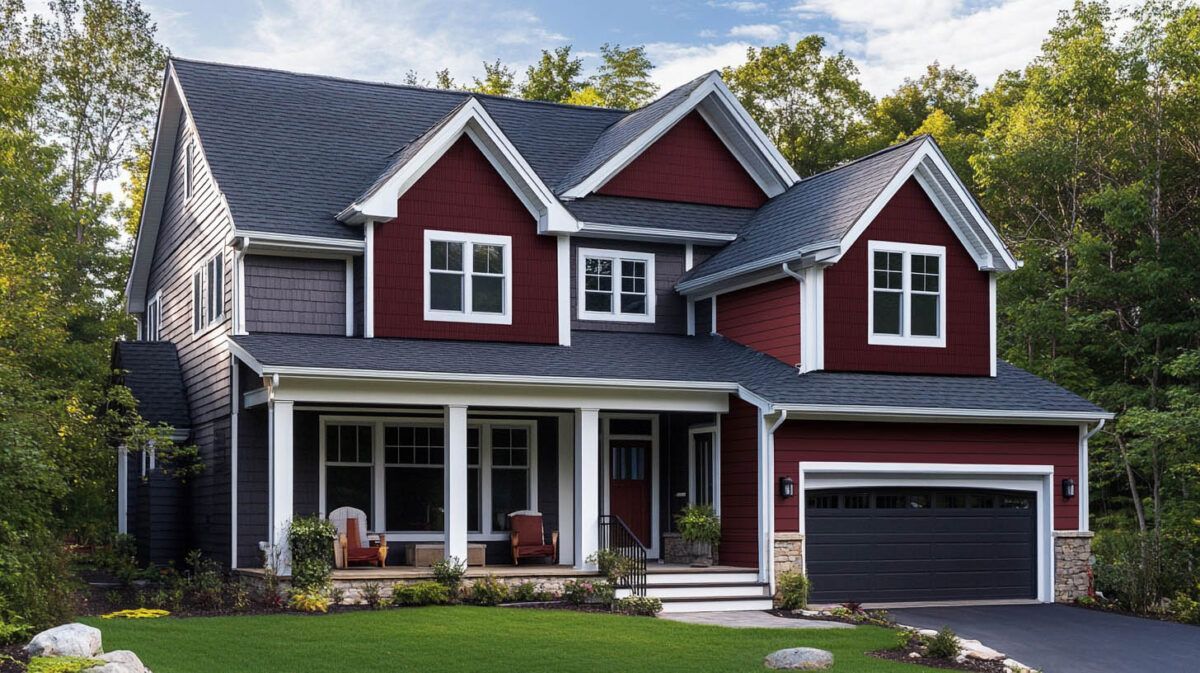
This option is the most affordable and widely used. It comes in horizontal and vertical panels with a variety of finishes to match different architectural styles.
Insulated Vinyl Siding
Designed with a built-in foam backing, insulated vinyl siding enhances energy efficiency by reducing heat transfer. It also provides better impact resistance and soundproofing benefits.
Vinyl Shake and Shingle Siding
For homeowners who prefer the look of cedar shakes without the associated maintenance, vinyl shake siding replicates the appearance of natural wood while offering superior durability and weather resistance.
Vertical Vinyl Siding
Ideal for modern and farmhouse-style homes, vertical vinyl siding adds a distinctive aesthetic appeal. It is commonly used for accent walls, dormers, or entire home exteriors.
Professional Vinyl Siding Installation
Proper installation is key to maximizing the lifespan and performance of vinyl siding. Working with experienced professionals ensures:
- Correct alignment and secure fastening to prevent warping and buckling.
- Proper moisture barrier placement to reduce the risk of mold and water damage.
- Compliance with manufacturer guidelines to maintain warranty coverage.
Hiring a Trusted Contractor
Choosing a reputable contractor guarantees a high-quality installation that enhances your home’s longevity and curb appeal. 180 Contractors Roofing & Siding, located in Troy, MI, specializes in expert siding installation and exterior renovations. With industry recognition such as BBB A+ accreditation, Guildmaster (GuildQuality), INC 5000, Google Guaranteed, and Qualified Remodeler Top 100 Satisfaction, we deliver outstanding craftsmanship and exceptional customer service. We work with top siding brands, including James Hardie, Alside, and Everlast, ensuring homeowners receive durable and aesthetically pleasing siding solutions.
Frequently Asked Questions (FAQs)
How long does vinyl siding last?
Vinyl siding typically lasts 20 to 40 years, depending on the quality of the material and environmental conditions.
Does vinyl siding increase home value?
Yes, vinyl siding enhances curb appeal and can boost property value, especially when replacing old, worn-out siding.
Is insulated vinyl siding worth the extra cost?
Insulated vinyl siding improves energy efficiency, reduces noise, and provides better impact resistance, making it a worthwhile investment for homeowners in extreme climates.
Can vinyl siding be painted?
Yes, vinyl siding can be painted, but it is recommended to use high-quality exterior paint specifically designed for vinyl surfaces to ensure longevity.
What is the best way to clean vinyl siding?
A simple mix of water and mild detergent, applied with a soft brush or pressure washer, is effective for keeping vinyl siding clean and free from dirt or mold buildup.
Conclusion
Vinyl siding is a durable, cost-effective, and aesthetically versatile exterior cladding option that offers homeowners long-term value with minimal maintenance. With various styles, colors, and insulation options available, vinyl siding enhances curb appeal while providing energy efficiency and weather resistance. Choosing professional installation ensures optimal performance and longevity, making it a smart investment for any homeowner looking to improve their property’s exterior.
Read also our blog:
Advantages and Disadvantages of James Hardie Siding