Cedar siding has long been admired for its warm, natural look, but maintaining real wood comes with significant challenges. Frequent staining, susceptibility to moisture damage, and vulnerability to pests make it a high-maintenance option for homeowners. James Hardie Cedarmill siding offers the perfect alternative, delivering the rich texture of real cedar with the unmatched durability of fiber cement.
The Challenges of Traditional Cedar Siding
1. High Maintenance Requirements
Cedar siding requires frequent sealing, staining, or painting to prevent it from drying out, cracking, or rotting. Over time, UV exposure can cause fading, while moisture penetration leads to mildew and mold growth.
2. Susceptibility to Pests
Wood is a prime target for termites, carpenter ants, and woodpeckers. These pests can cause extensive damage, requiring costly repairs and replacements.
3. Vulnerability to Fire
Cedar is a combustible material, making homes with wood siding more susceptible to fire hazards. Additional treatments are necessary to improve fire resistance, but they do not offer the same level of protection as non-combustible materials.
4. Environmental Concerns
The demand for cedar siding contributes to deforestation. While cedar is a renewable resource, harvesting old-growth cedar for construction materials negatively impacts forests and ecosystems.
The Advantages of James Hardie Cedarmill Siding
James Hardie Cedarmill siding is engineered to mimic the look of natural cedar while eliminating its drawbacks. As a fiber cement product, it provides exceptional durability, weather resistance, and sustainability.
1. Authentic Cedar Aesthetic
James Hardie’s advanced manufacturing process replicates the deep wood grain texture of cedar, offering a natural and timeless appearance. Whether homeowners prefer the classic look of lap siding or the rustic charm of shingle panels, Cedarmill siding delivers the beauty of wood without the maintenance.
2. Superior Durability and Weather Resistance
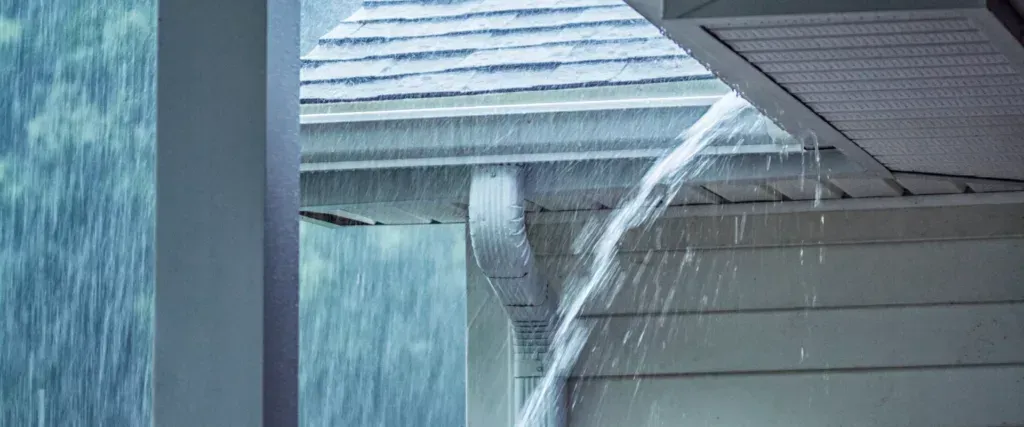
Unlike wood, fiber cement does not warp, crack, or swell when exposed to moisture. James Hardie siding withstands extreme temperatures, heavy rain, and humidity, making it an ideal choice for any climate.
3. Pest and Rot Resistance
Termites and other wood-destroying pests do not feed on fiber cement, eliminating the risk of structural damage. Additionally, Cedarmill siding is resistant to rot, mold, and mildew, ensuring long-lasting performance.
4. Fire-Resistant Protection
James Hardie fiber cement siding is non-combustible, providing an extra layer of fire protection that surpasses traditional wood siding. Homeowners in fire-prone areas can benefit from this added safety feature.
5. Eco-Friendly and Sustainable Choice
James Hardie siding is made from a mix of cement, sand, water, and cellulose fibers. The cellulose content is responsibly sourced from recycled wood by-products and does not contribute to deforestation. Additionally, fiber cement siding can be recycled multiple times, reducing landfill waste.
Comparing James Hardie Cedarmill Siding to Other Materials
James Hardie vs. Natural Cedar
- Maintenance:
James Hardie requires minimal upkeep, while cedar needs frequent staining and sealing.
- Durability:
Fiber cement is resistant to moisture and pests, whereas cedar is vulnerable to rot and insects.
- Fire Resistance:
James Hardie siding is non-combustible, while cedar is highly flammable.
- Longevity: Fiber cement lasts 30-50 years, while cedar has a shorter lifespan due to weathering.
James Hardie vs. Vinyl Siding
- Aesthetic Appeal:
James Hardie replicates the natural texture of wood, while vinyl often looks artificial.
- Durability:
Fiber cement withstands extreme weather conditions, whereas vinyl can crack in cold temperatures.
- Fire Protection: Vinyl melts under high heat, while James Hardie siding offers superior fire resistance.
Proper Installation and Maintenance of James Hardie Cedarmill Siding
1. Professional Installation for Optimal Performance
Proper installation is crucial to ensure James Hardie siding performs as expected. Professional contractors follow strict guidelines for sealing, flashing, and fastening to prevent water infiltration and maximize durability.
2. Minimal Maintenance Requirements
James Hardie siding requires occasional cleaning with a garden hose and mild soap to remove dirt and debris. Unlike wood, it does not need to be resealed or stained, saving homeowners time and money.
3. ColorPlus® Technology for Long-Lasting Beauty
James Hardie’s ColorPlus® Technology provides factory-applied, baked-on paint that resists fading, chipping, and peeling. Homeowners can enjoy vibrant, long-lasting color without the need for frequent repainting.
Finding a Trusted Siding Contractor
Choosing an experienced contractor ensures proper installation and long-term performance of James Hardie Cedarmill siding. 180 Contractors Roofing & Siding, located in Troy, MI, has earned a reputation for high-quality workmanship and exceptional customer service.
Our Certifications:
- BBB A+ Accredited:
Recognized for excellence and customer satisfaction.
- Guildmaster (GuildQuality):
Awarded for superior service.
- INC 5000: Ranked among the fastest-growing companies.
- Google Guaranteed:
Verified as a trusted contractor.
- Qualified Remodeler Top 100 Satisfaction:
Recognized for industry-leading quality.
Frequently Asked Questions
1. How long does James Hardie Cedarmill siding last?
James Hardie fiber cement siding lasts between 30 and 50 years with minimal maintenance.
2. Can James Hardie Cedarmill siding be painted?
Yes, but ColorPlus® Technology provides a long-lasting factory finish, reducing the need for repainting.
3. Is James Hardie siding environmentally friendly?
Yes, it is made from sustainable materials and does not contribute to deforestation like traditional cedar siding.
4. Does James Hardie siding resist mold and mildew?
Yes, its moisture-resistant properties prevent mold and mildew growth.
5. How does James Hardie siding compare in cost to cedar?
While James Hardie siding has a higher upfront cost, it saves money in the long run due to its durability and low maintenance.
Conclusion
James Hardie Cedarmill siding offers the perfect combination of beauty, durability, and sustainability. By choosing this fiber cement siding, homeowners can achieve the look of natural cedar without the maintenance headaches. With its superior weather resistance, fire protection, and long-lasting color retention, Cedarmill siding is the ultimate choice for enhancing a home’s exterior.
Read also our blog:
Transforming a Home with James Hardie Siding: A Homeowner’s Success Story