Homeowners seeking to enhance their property’s durability and aesthetic appeal often turn to James Hardie fiber cement siding. Known for its superior performance in extreme weather conditions, fire resistance, and long lifespan, this siding solution is a top choice for homeowners looking for a long-term investment.
Why Homeowners Choose James Hardie Siding
James Hardie siding is crafted to withstand various environmental challenges while maintaining its beauty for decades. It is a top-rated option due to its blend of strength, design versatility, and low-maintenance requirements.
1. Durability and Weather Resistance
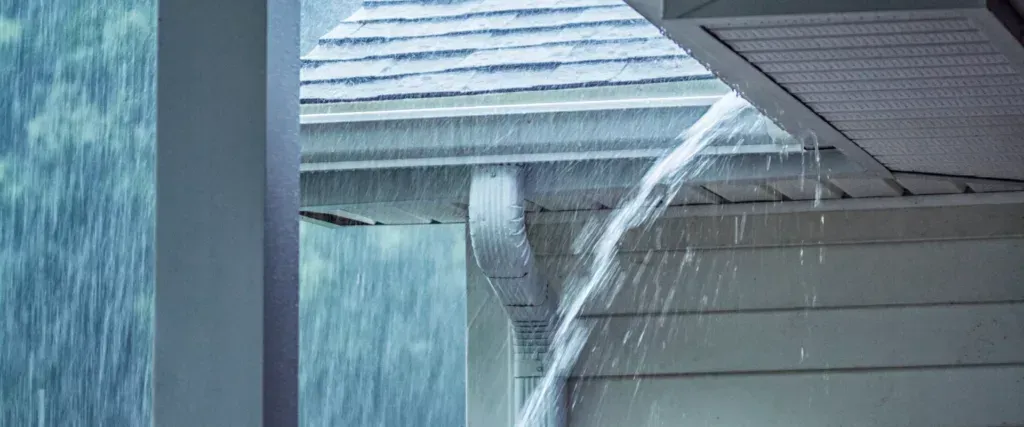
James Hardie siding is engineered to resist moisture, temperature fluctuations, and impact damage. Unlike wood, which can rot or warp, and vinyl, which may crack in extreme cold, fiber cement siding retains its integrity and appearance for decades.
2. Enhanced Curb Appeal
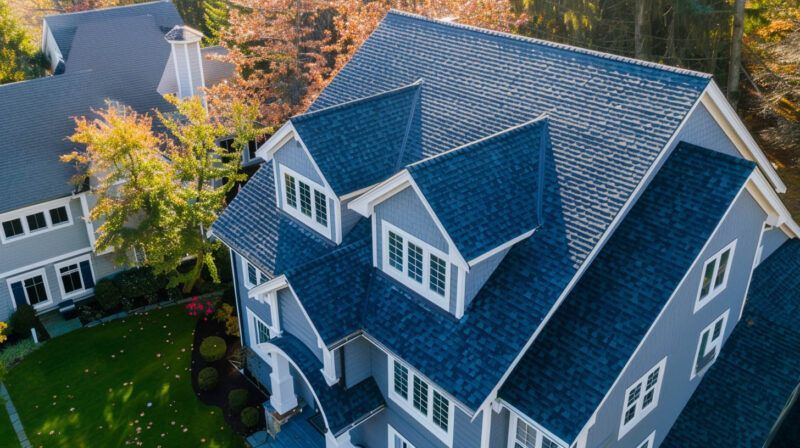
Homeowners can choose from a variety of James Hardie siding styles, including HardiePlank lap siding, HardieShingle, and HardiePanel vertical siding. These options provide the classic beauty of wood without the ongoing maintenance. The ColorPlus® Technology finish resists fading, ensuring a long-lasting vibrant appearance.
3. Fire and Pest Resistance
Unlike wood siding, which is susceptible to termite damage and fire hazards, James Hardie siding is non-combustible and pest-resistant. This feature offers homeowners an extra layer of protection and peace of mind.
A Homeowner’s Siding Replacement Journey
A recent project highlights how James Hardie siding transformed a home’s exterior, improving both functionality and visual appeal.
1. Identifying the Need for New Siding
The homeowner’s previous siding showed visible signs of aging, including peeling paint, cracks, and moisture damage. Recognizing the need for a durable, long-lasting solution, they explored different options before selecting James Hardie fiber cement siding.
2. Choosing the Right Siding Style and Color
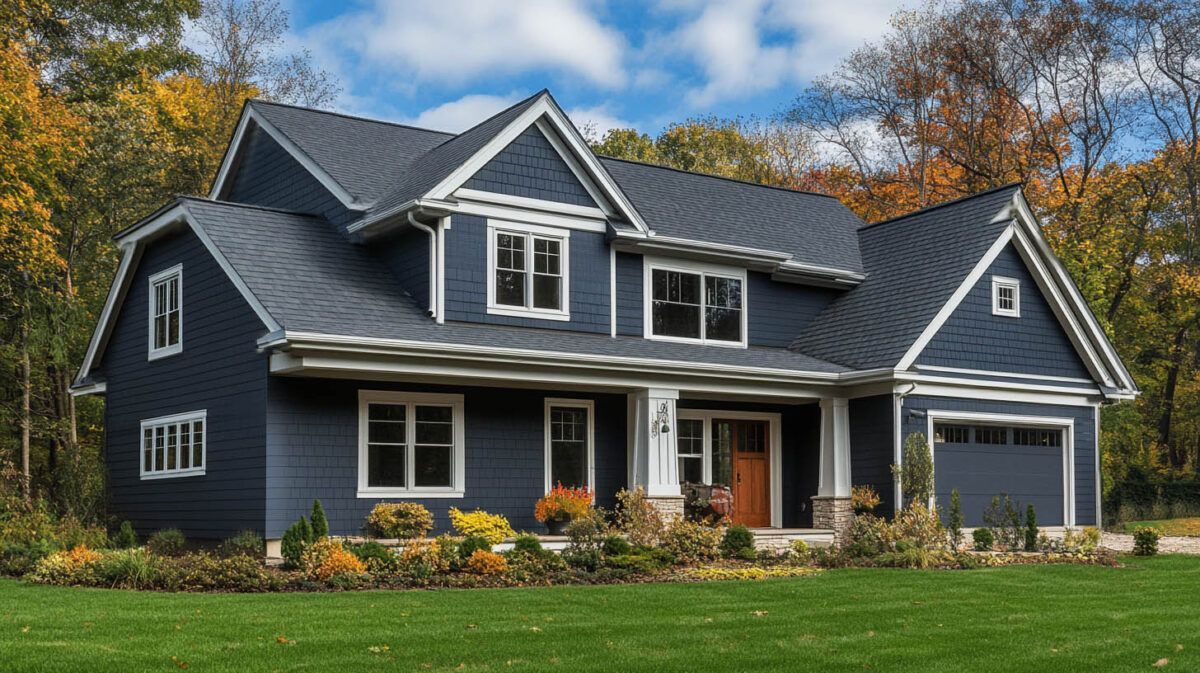
After reviewing multiple design options, the homeowner selected HardiePlank lap siding in a neutral tone that complemented the home’s architectural style. This choice enhanced the property’s curb appeal while ensuring longevity and resilience against the elements.
3. The Professional Installation Process
Experienced contractors removed the deteriorating siding, inspected the home’s structure for any necessary repairs, and expertly installed the new James Hardie siding. Proper flashing and sealing techniques were used to prevent moisture infiltration and enhance insulation.
4. The Final Outcome
The transformation was striking. The new siding gave the home a modern yet timeless look while significantly improving energy efficiency. The homeowner noticed a reduction in heating and cooling costs, further solidifying their investment in James Hardie siding.
Comparing James Hardie Siding to Other Materials
James Hardie vs. Vinyl Siding
- Durability:
Vinyl siding is prone to cracking in extreme temperatures, whereas James Hardie siding remains stable in all climates.
- Aesthetics: Fiber cement provides a more authentic wood-like texture compared to vinyl.
- Fire Resistance: Vinyl melts under high heat, whereas James Hardie siding is non-combustible.
James Hardie vs. Wood Siding
- Moisture Resistance:
Wood siding absorbs water, leading to rot; James Hardie siding repels moisture.
- Maintenance: Wood requires frequent staining and sealing, while James Hardie siding needs minimal upkeep.
- Pest Resistance: Wood attracts termites and other pests, while fiber cement remains unaffected.
James Hardie vs. Engineered Wood
- Lifespan:
James Hardie siding lasts 30 to 50 years, whereas engineered wood has a shorter lifespan.
- Weather Protection:
Engineered wood may warp or deteriorate over time, while fiber cement remains strong.
- Cost-Effectiveness: While engineered wood has a lower initial cost, James Hardie siding offers long-term savings due to its durability.
Key Considerations for Installing James Hardie Siding
1. Working with an Experienced Contractor
Proper installation is crucial to maximizing the benefits of James Hardie siding. Hiring skilled professionals ensures correct fitting, sealing, and protection against potential damage.
2. Selecting the Right Color and Style
James Hardie’s ColorPlus® Technology provides homeowners with a range of pre-finished colors that resist fading and require minimal maintenance. Choosing the right hue enhances a home’s exterior and increases property value.
3. Maintaining James Hardie Siding for Longevity
Although fiber cement siding is low-maintenance, occasional cleaning with mild soap and water keeps it looking new. Regular inspections help detect any minor cracks or caulking gaps that should be addressed promptly.
Choosing a Trusted Siding Contractor
A successful siding installation begins with hiring a qualified and reputable contractor. 180 Contractors Roofing & Siding, located in Waterford, MI, has built a strong reputation for exceptional craftsmanship and customer satisfaction.
Our Certifications:
- BBB A+ Accredited: Recognized for outstanding service and reliability.
- Guildmaster (GuildQuality):
Awarded for exceptional customer satisfaction.
- INC 5000: Ranked among the fastest-growing companies.
- Google Guaranteed: Verified for high-quality home improvement services.
- Qualified Remodeler Top 100 Satisfaction:
Recognized for excellence in remodeling and customer care.
Frequently Asked Questions
1. How long does James Hardie siding last?
James Hardie siding is designed to last between 30 and 50 years with minimal maintenance.
2. Does James Hardie siding require repainting?
Pre-finished ColorPlus® Technology siding resists fading and does not require frequent repainting.
3. Is James Hardie siding more expensive than vinyl?
While it has a higher upfront cost, James Hardie siding offers greater durability, better aesthetics, and lower long-term maintenance costs.
4. Can James Hardie siding be installed in any climate?
Yes, it is engineered to withstand extreme heat, cold, and humidity, making it a great choice for any region.
5. Does James Hardie siding improve home value?
Yes, homes with James Hardie siding typically see an increase in resale value due to its durability and aesthetic appeal.
Conclusion
James Hardie fiber cement siding provides homeowners with a durable, visually appealing, and low-maintenance exterior solution. By selecting high-quality siding and working with experienced professionals, homeowners can protect their investment and enhance their home’s curb appeal for decades.
Read also our blog:
Why Does Siding Fade and How Can You Restore Its Beauty?