Advantages and Disadvantages of James Hardie Siding

180 Contractors • February 16, 2025
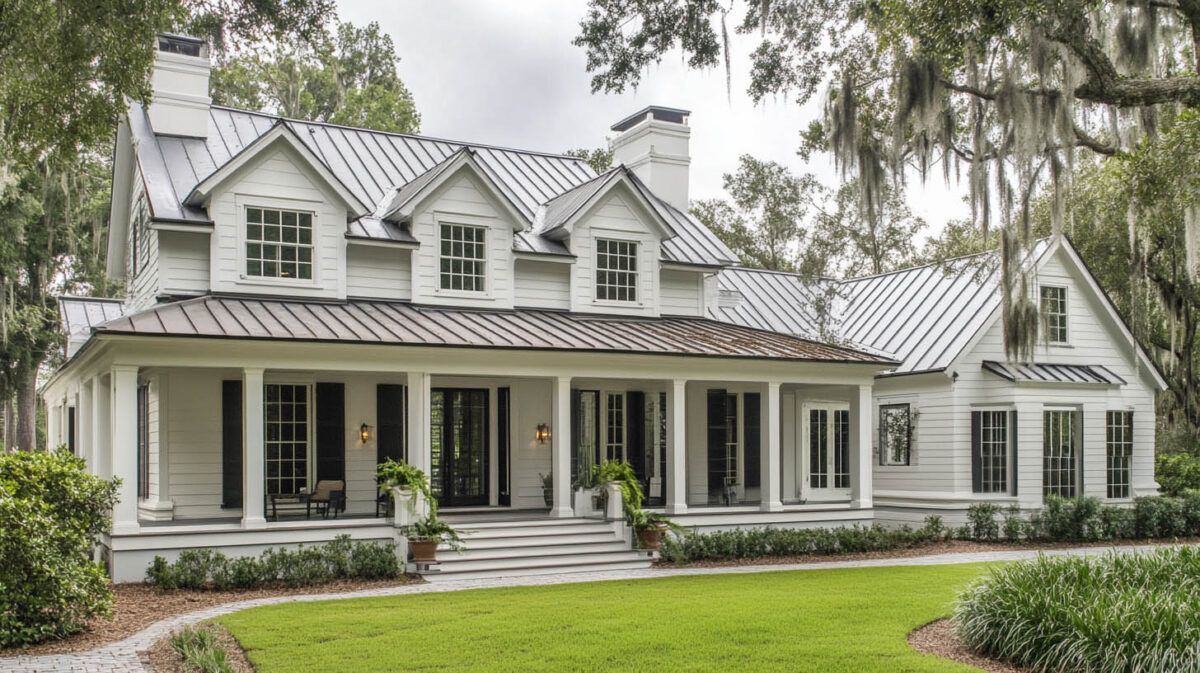
Large white Victorian-style house with dormer windows, a wraparound porch, and a green lawn

Overview of James Hardie Siding

James Hardie siding, also known as Hardie Board, is a fiber cement siding product that has become a preferred choice for homeowners seeking durability, aesthetic appeal, and long-term value. Engineered to withstand harsh weather conditions while maintaining a classic look, this siding option is known for its longevity and low maintenance. With a reputation for superior performance, James Hardie siding offers a compelling alternative to traditional wood, vinyl, and composite siding materials.


Benefits of James Hardie Siding

Exceptional Durability

James Hardie siding is designed to last for decades, making it one of the most durable siding options available.

  • Weather Resistance – Fiber cement siding resists extreme weather conditions, including heavy rain, snow, hail, and high winds. Unlike wood, it does not warp, swell, or crack when exposed to moisture.
  • Fire Resistance – Unlike vinyl siding, which melts under high heat, and wood, which is flammable, James Hardie siding is classified as noncombustible. This provides added protection against fire hazards.
  • Impact Resistance – Hardie Board withstands damage from debris, hail, and other external forces better than vinyl and wood siding.


Low Maintenance Requirements

James Hardie siding is engineered to retain its structural integrity and appearance with minimal maintenance.

  • No Frequent Painting Needed – With ColorPlus® Technology, the factory-applied finish lasts significantly longer than traditional exterior paints, requiring repainting only after about 15 years.
  • Pest Resistance – Unlike wood siding, Hardie Board does not attract termites, carpenter ants, or woodpeckers.
  • Easy Cleaning – A simple wash with a garden hose and mild soap is enough to maintain its fresh appearance.


Aesthetic Appeal and Design Versatility

James Hardie siding is available in a variety of colors, textures, and styles, making it a versatile option for different architectural designs.

  • Wood-Like Appearance – Hardie Board siding can mimic the look of traditional wood siding, offering the elegance of wood without the associated maintenance issues.
  • Wide Range of Colors – The ColorPlus® finish resists fading and is available in various shades to complement different home styles.
  • Compatibility with Architectural Styles – Whether for colonial, craftsman, modern, or Victorian homes, James Hardie siding provides options that enhance curb appeal.


Increased Home Value and ROI

James Hardie siding is known for its long-term financial benefits, making it a worthwhile investment.

  • High Return on Investment (ROI) – Homeowners can recoup a significant portion of their investment, as fiber cement siding ranks among the top exterior remodeling projects for ROI.
  • Energy Efficiency – When combined with proper insulation, Hardie Board siding helps regulate indoor temperatures, reducing energy costs.
  • Boosts Property Resale Value – Homes with James Hardie siding attract buyers due to its durability and low maintenance features.


Environmental Benefits

James Hardie siding is produced using sustainable practices and materials, reducing its environmental impact.

  • Eco-Friendly Manufacturing – Made from natural and sustainable materials such as cement, sand, and cellulose fibers.
  • Lower Waste Production – The long lifespan of fiber cement siding means fewer replacements, reducing landfill waste.
  • Reduced VOC Emissions – The baked-on paint finish eliminates the need for frequent on-site painting, reducing volatile organic compound (VOC) emissions.


Potential Drawbacks of James Hardie Siding

Higher Initial Cost

While James Hardie siding offers superior durability and longevity, it comes with a higher upfront cost compared to vinyl or aluminum siding.

  • Material Costs – Fiber cement is more expensive than vinyl and traditional wood siding.
  • Installation Expenses – Professional installation is required due to the weight and cutting process of Hardie Board, leading to higher labor costs.


Lengthy Installation Process

James Hardie siding requires a skilled team for proper installation, which takes longer compared to vinyl siding.

  • Heavy Material – Fiber cement siding is heavier than vinyl and wood, requiring additional labor and specialized tools for installation.
  • Additional Preparation – Proper flashing and sealing must be done to prevent moisture infiltration.


Repainting Requirement Over Time

While James Hardie’s ColorPlus® Technology extends the life of its finish, repainting is necessary after 15-20 years.

  • Compared to Vinyl – Vinyl siding does not require painting, making it a lower-maintenance option in the long run.
  • Compared to Brick – Brick siding is virtually maintenance-free and does not need repainting.


Choosing the Right Siding for Your Home

Comparing James Hardie Siding with Other Materials

Feature James Hardie (Fiber Cement) Vinyl Siding Wood Siding Brick Siding
Durability 50+ years 20-30 years 15-25 years 100+ years
Fire Resistance Noncombustible Melts Flammable Fireproof
Pest Resistance Yes Yes No Yes
Maintenance Low Very low High Very low
Weather Resistance High Moderate Low High
Cost Moderate-High Low High Very High

Choosing a Trusted Siding Contractor

To maximize the benefits of James Hardie siding, hiring an experienced and certified installer is crucial. 180 Contractors Roofing & Siding, located in Waterford, MI, is a top-rated company specializing in high-quality siding installations. With certifications such as BBB A+ accreditation, Guildmaster (Guildquality), INC 5000, Google Guaranteed, and Qualified Remodeler Top 100 Satisfaction, we ensure expert craftsmanship and long-lasting results. We work with top brands, including James Hardie, Alside, and Everlast, providing homeowners with the best siding options for durability and aesthetic appeal.


Frequently Asked Questions (FAQs)

How long does James Hardie siding last?

James Hardie siding can last 50 years or more when properly installed and maintained.


Does Hardie Board siding increase home value?

Yes, fiber cement siding provides a high return on investment and boosts resale value due to its durability and aesthetic appeal.


Is James Hardie siding better than vinyl?

While vinyl siding is cheaper and requires less maintenance, James Hardie siding offers superior durability, fire resistance, and a more authentic wood-like appearance.


Does James Hardie siding require maintenance?

Minimal maintenance is required—an occasional cleaning with water and mild soap keeps it looking fresh. The ColorPlus® finish lasts around 15 years before repainting is needed.


What is the best climate for James Hardie siding?

James Hardie siding is designed to withstand various climates, with specific formulations like HZ5® for colder regions and HZ10® for hotter, humid climates.


Conclusion

James Hardie siding stands out as a top-tier option for homeowners looking for durability, aesthetic appeal, and long-term investment value. While it has a higher upfront cost and requires professional installation, the long lifespan, weather resistance, and energy efficiency make it a worthwhile investment. Choosing a reputable contractor ensures a high-quality installation that maximizes the benefits of fiber cement siding.


Read also our blog: How New Siding Can Increase Your Home’s Value
GET A FREE QUOTE

Share this article

Recent Posts

Aerial view of a large blue-gray house with dormer windows and a landscaped yard in autumn
By 180 Contractors May 14, 2026
Your roof works silently year after year, shielding your home from rain, wind, sun, and snow. But like every part of your home, it doesn’t last forever. The key is knowing when repair is no longer enough—and a full roof replacement is the smarter, safer move. For homeowners in Bloomfield Hills, MI, where intense season
Rainwater pouring from a house roof and gutter during a storm
By 180 Contractors April 13, 2026
Michigan weather can be tough on homes, especially when it comes to your roof. From heavy snow in the winter to strong thunderstorms in the summer, each season brings conditions that can wear down roofing materials over time. Knowing how these storms affect your roof can help you catch problems early and avoid more ser
Snow piled on a dark shingled roof, with scattered patches of snow across the surface.
By 180 Contractors March 3, 2026
If you’ve lived through a Michigan winter, you know your roof takes a beating. Between heavy snowfall, freezing rain, fluctuating temperatures, and strong winds, winter weather can quietly wear down even a well-built roofing system. By the time spring arrives, many homeowners are surprised to learn that damage has alre