The Impact of New Siding on Home Value
Enhancing a home’s exterior with new siding is one of the most effective ways to boost its market value. A fresh, well-installed siding improves curb appeal, enhances energy efficiency, and provides long-term durability. Homeowners considering selling their property or simply maintaining its value will find that investing in quality siding can yield a significant return on investment (ROI).
The Financial Benefits of Siding Replacement
Return on Investment (ROI)
Siding replacement offers a strong ROI, often ranking among the top home improvement projects in cost vs. value comparisons. According to industry data, homeowners can recoup approximately 80-90% of their investment when selling their home, depending on the material used and regional market trends. This makes siding replacement one of the most cost-effective exterior renovations available.
Energy Efficiency and Utility Savings
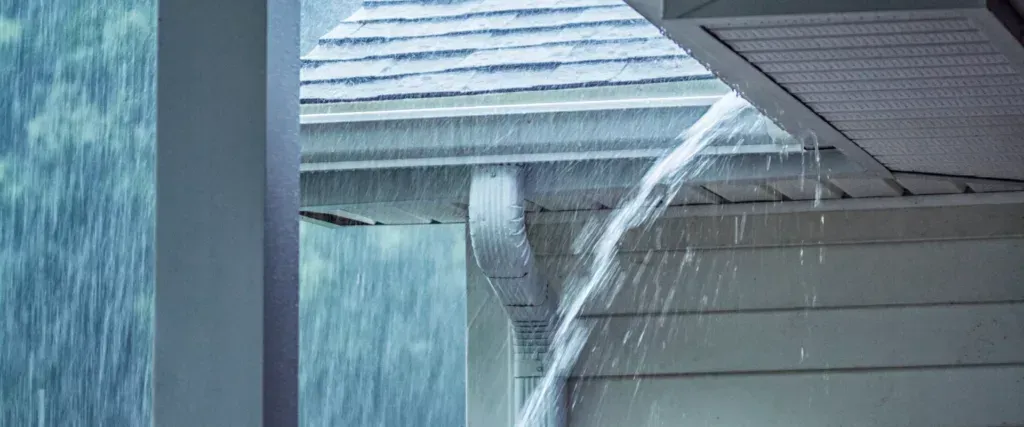
Modern siding materials such as fiber cement and insulated vinyl provide excellent thermal insulation, reducing heat loss in winter and keeping interiors cooler in summer. This leads to lower heating and cooling costs, with many homeowners experiencing up to a 20% reduction in energy bills after upgrading their siding. Additionally, materials like fiber cement are resistant to moisture infiltration, further improving home efficiency.
Maintenance Cost Reduction
New siding reduces the need for frequent exterior maintenance. Many advanced siding options, such as composite and vinyl, require minimal upkeep compared to traditional wood siding. Unlike wood, which may need repainting every few years, modern siding retains its appearance and structural integrity with minimal effort.
How Siding Enhances Curb Appeal
First Impressions Matter
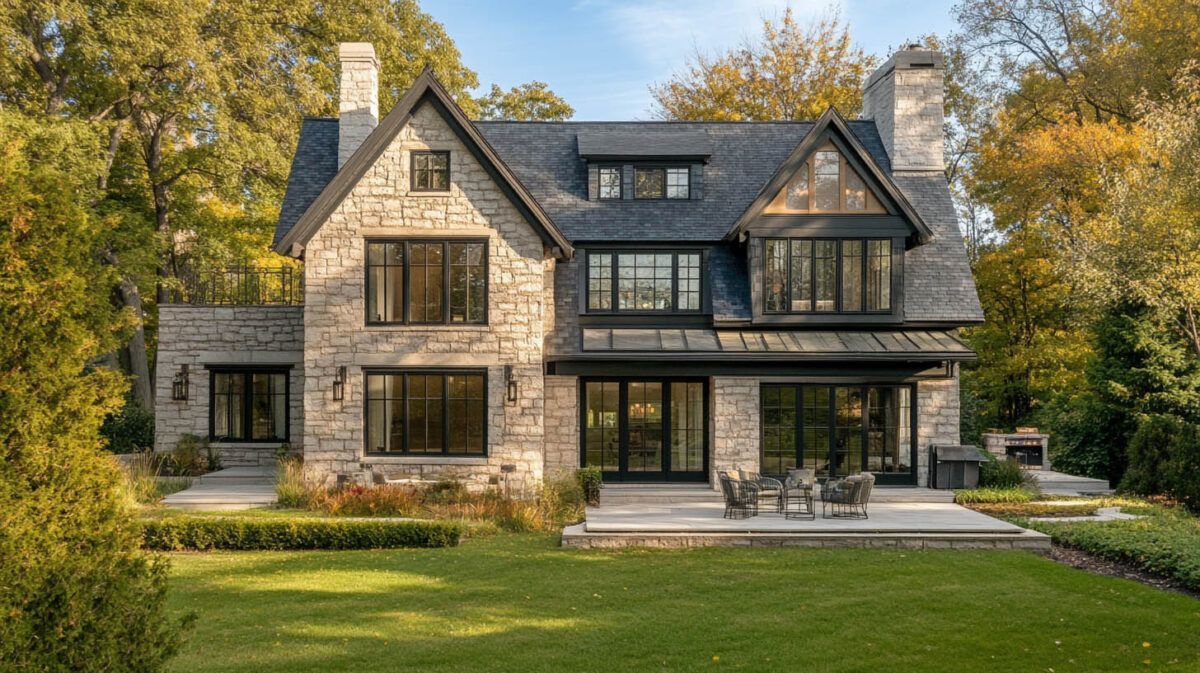
Potential buyers form their first impression of a home within seconds. A well-maintained and visually appealing exterior significantly increases a home’s desirability. New siding ensures a clean, modern look that makes a house stand out in competitive real estate markets.
Increased Home Appraisal Value
Appraisers take into account the condition and age of a home’s siding when assessing property value. A recent siding upgrade often results in a higher appraisal, which can be beneficial for securing favorable mortgage terms or resale negotiations.
Modern Design and Customization Options
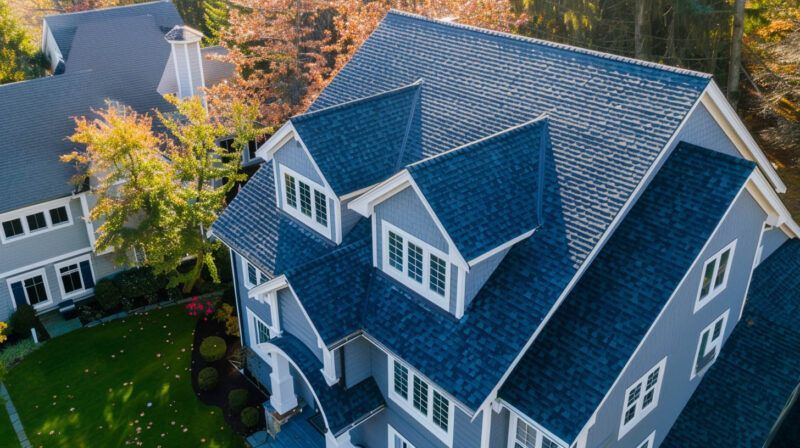
Today’s siding options come in a variety of textures, colors, and materials, allowing homeowners to personalize their home’s appearance while maintaining durability. Options such as fiber cement, engineered wood, and premium vinyl provide both aesthetics and functionality, making it easier to match a home’s architectural style.
Choosing the Best Siding Material for Value and Durability
Vinyl Siding
Vinyl siding remains one of the most popular choices due to its affordability, durability, and low maintenance. It is resistant to rot and pests, and its wide range of colors ensures aesthetic flexibility.
Pros:
- Cost-effective
- Low maintenance
- Wide variety of styles and colors
Cons:
- Can be susceptible to cracking in extreme weather
- Not as durable as fiber cement
Fiber Cement Siding
Fiber cement is a premium option that offers exceptional durability and resistance to fire, pests, and moisture. It mimics the look of wood while requiring far less maintenance.
Pros:
- Long lifespan (often over 50 years)
- Highly resistant to weather damage
- Boosts home resale value significantly
Cons:
- Higher initial installation cost
- Requires professional installation due to its weight
Engineered Wood Siding
Engineered wood offers the beauty of traditional wood siding with enhanced durability. It is treated to resist mold, pests, and moisture, making it an excellent long-term investment.
Pros:
- Authentic wood appearance
- More durable than traditional wood
- Resistant to insects and rot
Cons:
- Requires periodic maintenance
- Higher cost compared to vinyl
Metal Siding
While less common for residential homes, metal siding (such as aluminum and steel) provides a modern aesthetic and excellent weather resistance. It is particularly useful in areas prone to extreme weather conditions.
Pros:
- Fire-resistant
- Durable and low maintenance
- Sustainable and recyclable
Cons:
- Can dent easily
- Higher material costs
Factors That Affect Siding ROI
Regional Market Trends
Local real estate conditions influence the added value of new siding. In colder regions, insulated siding options may provide more significant returns due to their energy-saving benefits. In coastal or humid climates, moisture-resistant materials like fiber cement are highly desirable.
Professional Installation Quality
Even the best siding materials will not yield maximum value if installed poorly. Hiring experienced contractors ensures proper sealing, insulation, and alignment, all of which contribute to long-term performance.
Matching Siding with Home Architecture
Selecting a siding material that complements the home’s design enhances its marketability. A modern home may benefit from sleek metal or fiber cement siding, while a traditional home may look best with engineered wood or high-end vinyl.
Should You Replace Your Home’s Siding?
For Home Sellers
If planning to sell, new siding provides an excellent return by increasing buyer interest and potentially leading to higher offers. Many homebuyers prefer move-in-ready homes, and outdated or damaged siding can deter potential buyers.
For Long-Term Homeowners
Those planning to stay in their home can benefit from increased comfort, energy savings, and protection against environmental factors. New siding acts as a shield against weather, pests, and aging, preserving the home’s integrity for years.
The Best Siding Installation Services
Choosing a reliable contractor is crucial to maximizing the benefits of siding replacement. A reputable company ensures proper installation, high-quality materials, and long-lasting results. 180 Contractors Roofing & Siding, located in Rochester Hills, MI, specializes in premium siding solutions that enhance home value and curb appeal. With industry recognition such as BBB A+ accreditation, Guildmaster certification, and ranking among the INC 5000, they provide expert craftsmanship and top-tier service. Partnering with brands like James Hardie, Alside, and Everlast, they offer a wide range of high-quality siding options to suit every homeowner’s needs.
Frequently Asked Questions (FAQs)
How much does new siding increase a home’s value?
On average, new siding can recoup 80-90% of its cost upon resale, depending on the material used and local market conditions.
What is the most cost-effective siding material?
Vinyl siding offers the best balance of affordability and durability, making it one of the most cost-effective options.
How long does siding last?
Lifespan varies by material: vinyl lasts 20-30 years, fiber cement over 50 years, and metal siding can last 40+ years with proper maintenance.
Is insulated siding worth the investment?
Yes, insulated siding reduces energy bills by improving thermal efficiency, leading to long-term cost savings.
What is the best time of year to replace siding?
Spring and summer provide the best weather conditions for siding installation, ensuring optimal adherence and sealing.
Conclusion
New siding is a smart investment that enhances home value, improves energy efficiency, and boosts curb appeal. Whether selling a property or planning to stay long-term, upgrading siding provides substantial benefits. Selecting the right material and professional installation ensures long-lasting results, making siding replacement one of the most rewarding home improvements available.
Read also our blog:
The Art of Siding: Beauty, Strength, and Lasting Protection