Maintaining your home’s siding is essential for preserving its structural integrity, enhancing curb appeal, and preventing costly repairs. Proper siding care not only extends its lifespan but also protects against weather damage, moisture infiltration, and fading. This guide provides a comprehensive approach to siding maintenance, covering cleaning techniques, damage prevention, repair strategies, and expert recommendations for long-term upkeep.
Understanding the Role of Siding in Home Protection
Siding serves as the first barrier against external elements, shielding the home from rain, wind, UV rays, and temperature fluctuations. Well-maintained siding improves energy efficiency, prevents moisture buildup, and enhances overall property value.
The Best Cleaning Methods for Siding
Regular cleaning helps prevent dirt accumulation, mold growth, and discoloration. Cleaning frequency depends on the material type and environmental factors.
How to Clean Vinyl Siding
Vinyl siding is durable and low maintenance, but it requires periodic washing to remove grime, algae, and mildew.
Steps for Cleaning Vinyl Siding:
- Mix warm water with mild detergent or white vinegar (1 cup per gallon of water).
- Use a soft cloth or a long-handled brush with soft bristles.
- Rinse with a garden hose, working from top to bottom to prevent streaking.
- Avoid abrasive cleaners, undiluted bleach, or pressure washers on high settings, as they may cause damage.
Cleaning Fiber Cement and Wood Siding
Fiber cement siding is more resistant to mold but can accumulate dust and stains over time. Wood siding is prone to mildew, requiring careful cleaning.
Recommended Cleaning Method:
- Use a mixture of mild detergent and water.
- Gently scrub with a soft brush.
- Rinse thoroughly and allow the siding to dry completely.
- For wood siding, apply a protective sealant after cleaning to prevent moisture absorption.
Preventing Common Siding Issues
Protecting Against UV Damage
Extended sun exposure can cause siding colors to fade, particularly in vinyl and wood materials.
Preventative Measures:
- Choose UV-resistant siding materials.
- Apply a protective coating or paint with built-in UV inhibitors.
- Trim trees or install shading structures to minimize direct sunlight exposure.
Preventing Moisture and Mold Growth
Excess moisture can lead to mold, rot, and structural damage.
How to Prevent Water Damage:
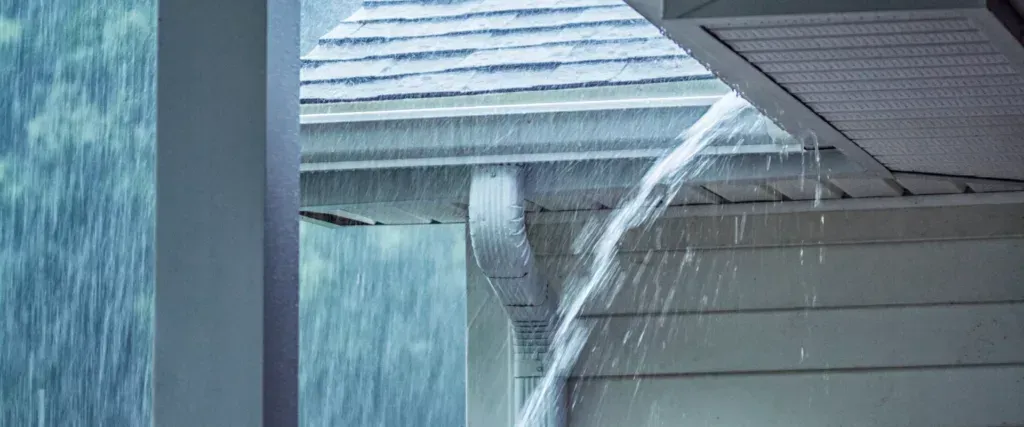
- Keep gutters clean and functioning properly to direct water away from siding.
- Seal gaps and cracks with weather-resistant caulk.
- Ensure proper ventilation in attics and wall cavities to reduce humidity levels.
Avoiding Physical Damage
Accidental impacts, harsh weather, and landscaping issues can damage siding.
Best Practices:
- Keep grills, lawnmowers, and other heat sources at a safe distance.
- Trim branches that may scrape against the siding.
- Install impact-resistant siding materials in areas prone to extreme weather.
How to Inspect and Repair Siding
Signs That Siding Needs Repair
Regular inspections help identify minor issues before they become major problems.
Warning Signs:
- Cracks or holes that may allow moisture intrusion.
- Warping or bulging panels, which indicate trapped moisture.
- Loose or missing panels caused by wind or impact.
- Peeling paint or stains, suggesting water damage.
Repairing Minor Siding Damage
- Vinyl Siding: Use a patch kit to seal small cracks. For larger issues, replace individual panels.
- Wood Siding: Sand down imperfections, apply a protective sealant, and repaint if necessary.
- Fiber Cement Siding: Fill small chips with patching compound and repaint to match the original color.
When to Replace Siding
If siding damage is widespread or severe, replacing it may be more cost-effective than repeated repairs.
Replacement Considerations:
- Warping, extensive rot, or mold infestation beyond surface repair.
- Frequent repainting needed due to fading or peeling.
- Higher energy bills caused by poor insulation from deteriorating siding.
Choosing the Best Siding Material for Durability
Selecting the right siding material impacts longevity, maintenance requirements, and overall protection.
Vinyl Siding
- Affordable, low maintenance, and resistant to moisture.
- Can last 20–40 years with proper care.
Fiber Cement Siding
- Highly durable, fire-resistant, and pest-resistant.
- Requires occasional repainting but can last 50+ years.
Wood Siding
- Offers a classic, natural look but requires frequent maintenance.
- Vulnerable to pests, moisture, and sun damage.
Metal Siding
- Strong, weather-resistant, and low maintenance.
- Prone to dents but highly durable in extreme climates.
Professional Siding Maintenance and Installation
While DIY maintenance can help prolong siding lifespan, professional inspections and repairs ensure the best long-term results.
180 Contractors Roofing & Siding, located in Waterford, MI, specializes in siding installation and maintenance. With industry-recognized credentials, we provide expert service to homeowners seeking durable and aesthetically pleasing siding solutions.
Our certifications include:
- BBB A+ Accredited – Recognized for exceptional service.
- Guildmaster (GuildQuality) – A mark of quality craftsmanship.
- INC 5000 – Recognized among top-growing companies in the industry.
- Google Guaranteed – Trusted for high customer satisfaction.
- Qualified Remodeler Top 100 Satisfaction – Ranked among the best for home improvement services.
We work with industry-leading brands such as James Hardie, Alside, and Everlast to ensure homeowners receive the highest quality materials available.
Conclusion
Maintaining siding is crucial for preserving a home’s structural integrity and visual appeal. Regular cleaning, proactive damage prevention, and timely repairs help extend its lifespan. Choosing the right siding material and working with experienced professionals ensures long-term protection and enhanced property value.
Frequently Asked Questions (FAQs)
- How often should I clean my siding?
Siding should be cleaned at least once a year, with additional spot cleaning as needed for mold or dirt buildup. - Can pressure washing damage vinyl siding?
Yes, if the pressure setting is too high. Use a low-pressure setting and keep the nozzle at a safe distance to avoid warping or cracking panels. - What’s the best way to prevent mold on siding?
Ensure gutters function properly, trim overgrown vegetation, and clean siding regularly with a mold-resistant solution. - How long does fiber cement siding last?
With proper maintenance, fiber cement siding can last over 50 years, making it one of the most durable options. - When should I replace my siding instead of repairing it?
If siding has widespread warping, rot, or mold issues, or if energy bills have increased due to poor insulation, replacement is the better long-term solution.
Read also our blog:
Should You Repair or Replace Your Home’s Siding? A Complete Guide