Siding is a critical component of a home’s exterior, providing protection against the elements while enhancing curb appeal. Over time, siding can suffer from weather-related damage, fading, and wear, requiring either repairs or full replacement. Choosing between repair and replacement depends on several factors, including the extent of the damage, the material type, and long-term cost considerations. This guide provides a detailed analysis of when to repair and when to replace siding, common siding issues, material comparisons, and expert recommendations.
Signs of Siding Damage
Regular inspections help detect early signs of siding failure before costly repairs become necessary.
1. Fading and Discoloration
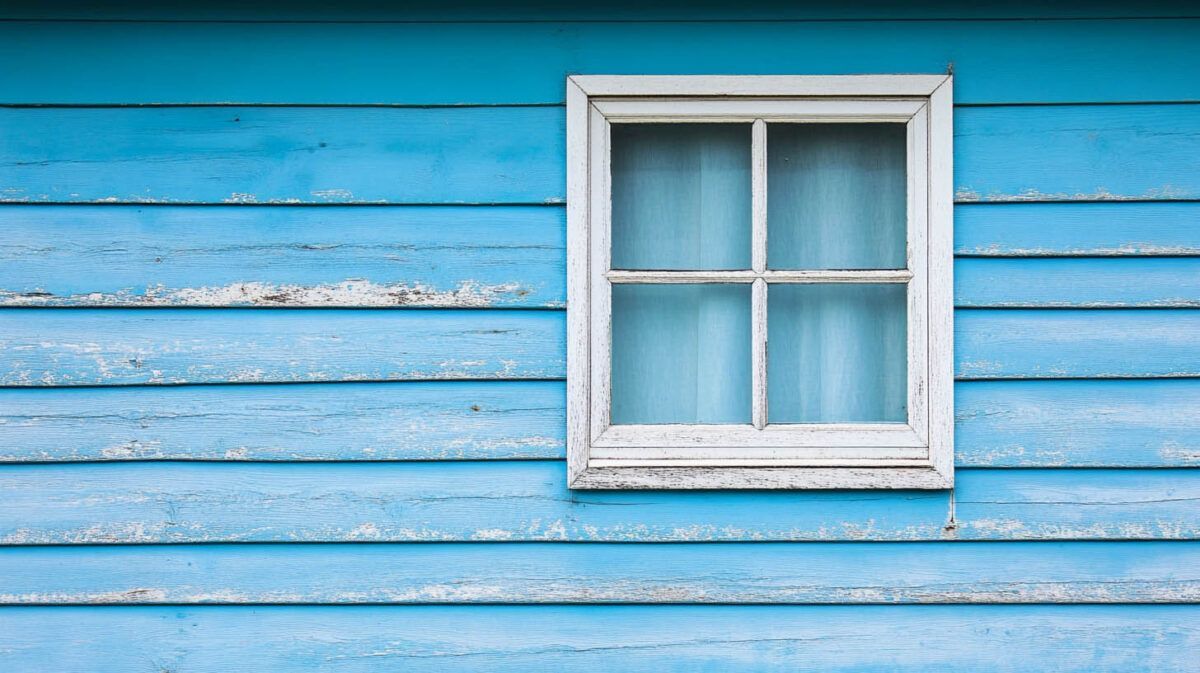
Prolonged exposure to the sun causes siding colors to fade. Vinyl siding, often sold in neutral shades, tends to lose its vibrancy over time. Wood siding is more vulnerable, with paint and stain fading quickly in harsh climates.
Indicators of Severe Fading:
- Uneven coloration across the siding
- Chalky residue on vinyl panels (oxidation)
- Frequent need for repainting on wood siding
2. Water Damage and Mold Growth
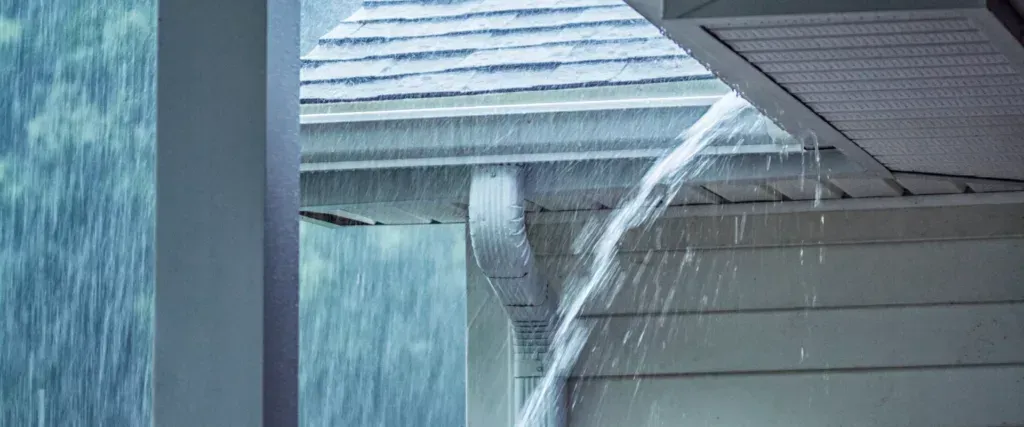
Water intrusion is one of the most serious threats to siding. Wood siding is particularly susceptible to rot, while vinyl siding can conceal moisture issues underneath.
Warning Signs:
- Darkened or softened wood panels
- Black or green mold patches along siding seams
- Loose vinyl panels with visible moisture stains underneath
3. Cracks, Warping, and Structural Damage
Cracks and warping indicate deeper structural issues. Vinyl siding can warp from excessive heat, while wood siding can split from moisture exposure.
Common Causes:
- High winds, hail, or storm damage
- Poor installation leading to buckling
- Extreme temperature fluctuations causing expansion and contraction
4. Increased Energy Bills
Damaged siding compromises insulation, leading to higher heating and cooling costs. Gaps in siding panels allow air leaks, forcing HVAC systems to work harder.
Repair vs. Replacement: Which Is the Best Option?
The decision to repair or replace siding depends on the extent of the damage, material longevity, and cost-effectiveness.
When to Repair Siding
Minor damage can often be fixed without replacing entire sections.
Ideal for Repair:
- Small cracks or holes in vinyl siding
- Isolated mold patches that can be cleaned and treated
- Individual warped panels that can be replaced
DIY Repair Tips:
- Use exterior-grade caulk to seal small cracks
- Replace individual damaged boards without removing full sections
- Clean mold with a solution of vinegar and water to prevent regrowth
When to Replace Siding
If siding damage is widespread or structural, replacement is the better long-term solution.
Signs It’s Time to Replace:
- Mold and moisture issues spreading behind siding
- Significant cracking or warping affecting multiple panels
- Frequent need for repainting or maintenance
- Mismatched siding due to multiple previous repairs
Replacing large sections of siding ensures consistency in appearance and protection against further deterioration.
Choosing the Right Siding Material
Selecting the best siding material depends on climate, durability needs, and maintenance preferences.
1. Vinyl Siding
Pros:
- Affordable and low maintenance
- Resistant to moisture and insects
- Available in various colors and styles
Cons:
- Can crack or warp under extreme temperature changes
- Fading occurs over time with prolonged sun exposure
2. Wood Siding
Pros:
- Natural, classic appearance
- Can be painted or stained for customization
- Durable with proper maintenance
Cons:
- Requires frequent sealing and repainting
- Susceptible to rot, insects, and moisture damage
3. Fiber Cement Siding
Pros:
- Extremely durable and fire-resistant
- Resistant to pests and moisture
- Long lifespan (50+ years)
Cons:
- Higher installation costs
- Requires repainting over time
4. Metal Siding (Aluminum & Steel)
Pros:
- Fire-resistant and weatherproof
- Low maintenance with a modern aesthetic
- Resistant to pests and rot
Cons:
- Prone to denting
- Can be more expensive upfront
Preparing for Siding Replacement
Siding replacement involves removing old materials, inspecting the home’s exterior for damage, and installing new panels.
Steps to Prepare for Siding Installation
- Clear the Work Area:
Move outdoor furniture, vehicles, and any obstacles away from the siding.
- Inspect the Underlying Structure: Check for moisture damage or insulation issues that need addressing before new siding is installed.
- Choose the Right Material: Consider climate conditions, maintenance requirements, and budget constraints.
- Work with Professionals: Hiring an experienced siding contractor ensures a high-quality installation.
Expert Siding Solutions
Choosing a trusted siding contractor ensures long-lasting results and quality craftsmanship. 180 Contractors Roofing & Siding, located in Troy, MI, offers expert siding repair and replacement services. As an industry leader, we hold certifications including:
- BBB A+ Accredited – Recognized for outstanding service and reliability
- Guildmaster (GuildQuality) – Awarded for exceptional craftsmanship
- INC 5000 –
Ranked among the fastest-growing home improvement companies
- Google Guaranteed – Verified for high customer satisfaction
- Qualified Remodeler Top 100 Satisfaction – Recognized for excellence in home remodeling
We work with premium brands like James Hardie, Alside, and Everlast to ensure homeowners receive top-tier materials for their siding needs.
Conclusion
Determining whether to repair or replace siding depends on the severity of the damage, the longevity of the material, and cost considerations. Regular maintenance and timely inspections help extend siding lifespan, while professional replacement ensures a structurally sound and visually appealing home exterior. Choosing high-quality materials and working with experienced professionals guarantees long-term protection against the elements.
Frequently Asked Questions (FAQs)
- How often should siding be replaced?
Most siding materials last between 20–50 years, depending on the type and maintenance. Vinyl typically lasts 20–30 years, while fiber cement can last over 50 years. - Can I repair siding myself?
Minor cracks and loose panels can be repaired with caulk or replacement boards, but extensive damage requires professional attention. - What are the benefits of fiber cement siding?
Fiber cement is highly durable, fire-resistant, and resistant to pests and moisture, making it an excellent long-term investment. - How do I know if my siding needs replacement?
Signs like widespread warping, water damage, mold growth, and peeling paint indicate that siding replacement is necessary. - What’s the most cost-effective siding option?
Vinyl siding is the most affordable option, offering durability and low maintenance costs while providing good insulation and weather resistance.
Read also our blog:
Best Practices for Long-Term Siding Maintenance