Best Roofing Choices for Coastal Homes
Living in a coastal home offers stunning ocean views and pleasant breezes, but it also presents unique challenges. Salty air, high winds, bright sun, and humidity can damage your roof over time. At 180 Contractors Roofing & Siding, located in Troy, MI, we understand these challenges and are committed to helping you choose the right roofing material for your coastal home. Selecting the appropriate roofing is crucial for durability and protection against these elements. Options we offer include metal, clay, tile, or synthetic materials. Our team can guide you through the benefits of each to help you make the best choice to safeguard your home year-round.
Impact of Coastal Climate on Roofing Materials
Coastal regions pose significant challenges for roofs. Salty air can corrode metals, while high humidity may cause mold, mildew, and rot in wood or asphalt roofs, leading to deterioration.
Intense sunlight also damages roofs, causing cracks and weakening materials, which shortens their lifespan.
Frequent strong winds from storms and hurricanes can displace shingles and damage weaker roofs. Understanding these environmental factors is crucial; knowing the risks helps you choose durable roofing materials that withstand coastal conditions.
How Salt Air Corrodes Different Materials
Salty air in coastal areas accelerates rust, particularly on metal roofs and outdoor materials. Wind carries salt to roofing surfaces, degrading metals and weakening parts, especially steel and untreated metals.
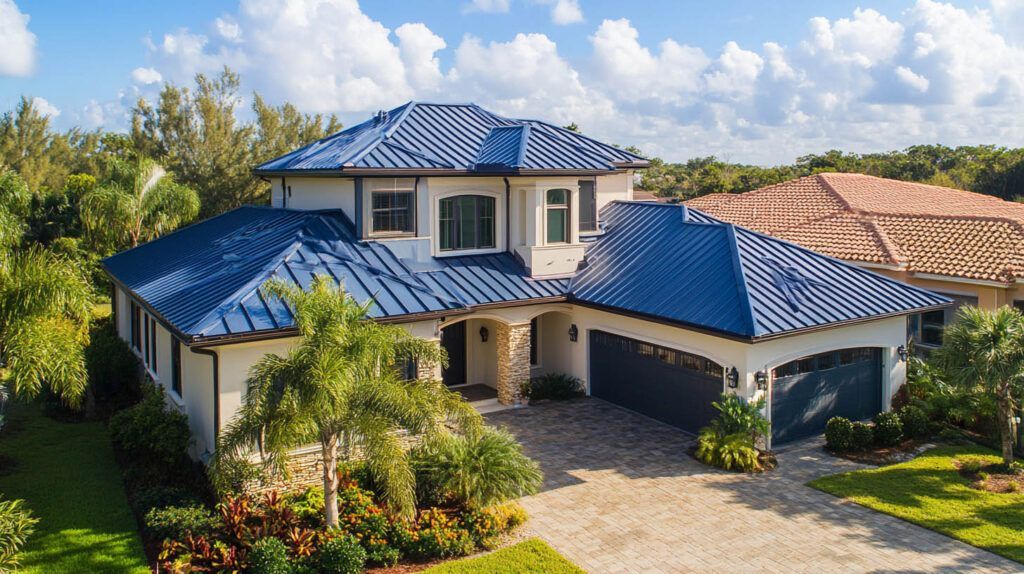
While metal roofs are durable, they require coatings or treatments to resist salty air. Copper roofing offers a high-end look and develops a natural patina over time, providing natural corrosion resistance that protects the roof and enhances its appearance. Regular inspections are essential to catch early signs of corrosion or wear.
Effects of Humidity and Sun Exposure
Coastal environments pose unique challenges for roofing materials due to high humidity and intense sun exposure. Elevated moisture can accelerate the deterioration of organic materials like wood shakes and asphalt shingles, including issues like loose shingles. Regular inspections are essential to spot corrosion or wear from prolonged humidity.
Sunlight causes fading and thermal expansion, potentially compromising structural integrity during the hot summer months. Metal roofing is ideal for coastal conditions, thanks to its corrosion resistance and ability to reflect solar radiation. Balancing aesthetics with functionality ensures your home withstands harsh elements, providing peace of mind and long-term value.
Top Roofing Materials for Coastal Homes
Choosing the right roofing material for coastal properties is essential due to challenges like saltwater exposure, strong winds, and high humidity. Metal roofing, such as aluminum roofing and steel, offers natural corrosion and wind resistance, making it a durable choice for homeowners. Clay and concrete tiles combine aesthetic appeal with resilience, enduring harsh conditions while adding long-term value.
Synthetic roofing materials, such as synthetic slate, have also become popular, mimicking the appearance of slate or wood shakes while reducing maintenance needs. Ultimately, prioritizing durability ensures your home is protected and provides peace of mind for years to come.
Benefits of Metal Roofing in Coastal Areas
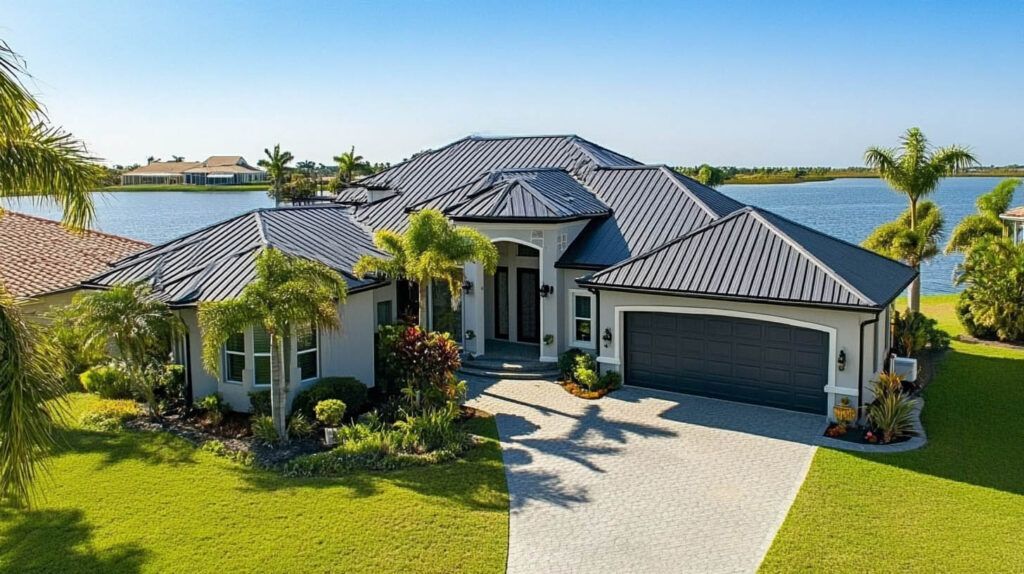
Moderate coastal environments pose unique challenges for roofing materials. Metal roofing is an ideal choice due to its exceptional corrosion resistance against salt air and humidity. Durable options like aluminum and steel withstand harsh conditions, including strong winds and heavy rainfall, ensuring structural integrity and minimizing the risk of damage.
Metal roofing’s lightweight nature reduces stress on a home’s framework, while its reflective properties can lower cooling costs in summer. With various styles like corrugated and standing seam, metal roofs offer design flexibility and are a smart investment in performance and aesthetics. Regular inspections can further enhance their lifespan, providing peace of mind for coastal property owners.
Advantages of Clay and Concrete Tiles
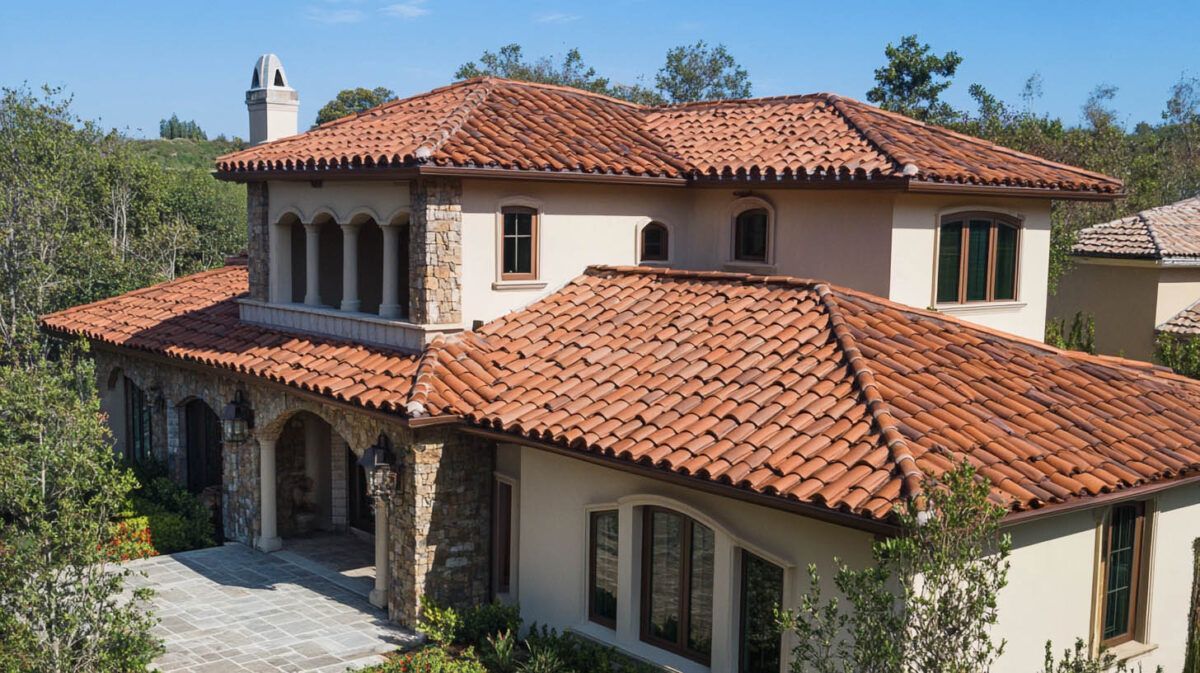
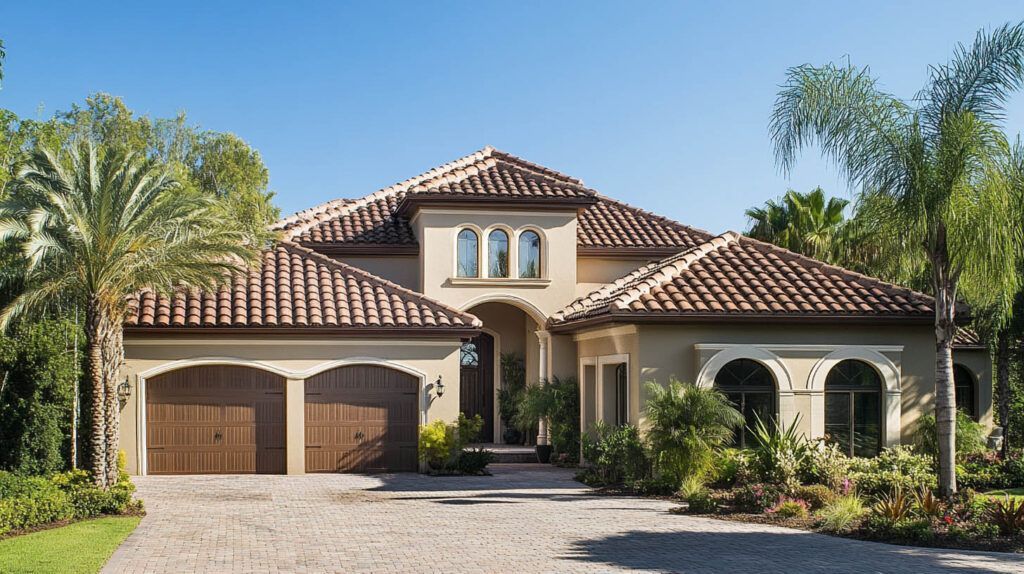
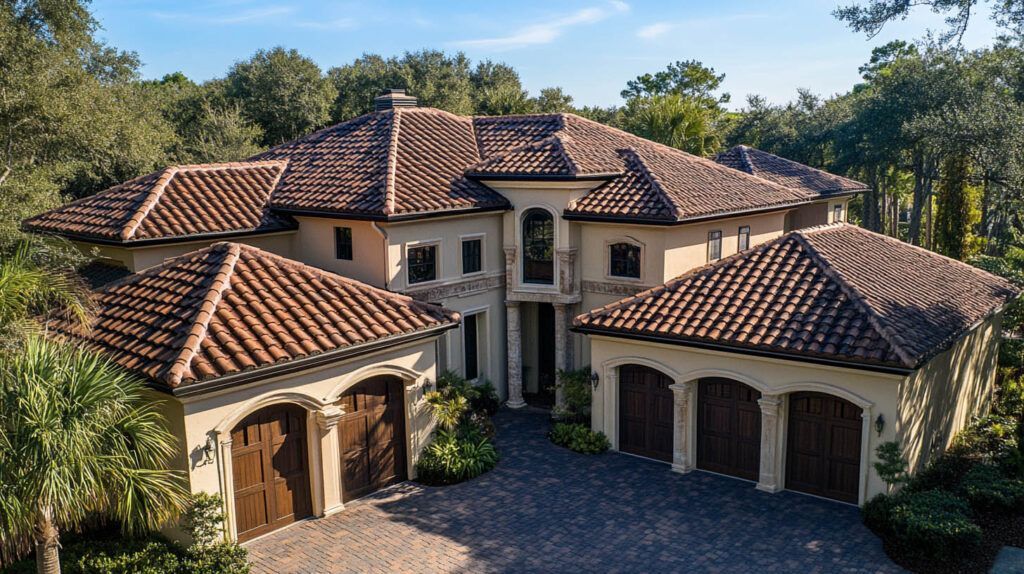
Clay and concrete tiles, along with slate roofs, are among the most durable roofing options for coastal homes, offering exceptional resistance to salt corrosion and high humidity. These materials withstand severe weather challenges while maintaining their integrity over time. Their natural weight provides superior wind resistance, making them ideal for windy areas.
Additionally, tile roofs come in various styles and colors, enhancing the aesthetic appeal of coastal properties. Although the initial cost is higher than traditional materials like asphalt shingles, their long lifespan and low maintenance often justify the investment. By choosing clay or concrete tiles, homeowners can ensure a robust roofing solution suited for coastal living.
The Role of Synthetic Roofing in Coastal Durability
In coastal areas, synthetic roofing materials offer a practical solution to challenges posed by salt air and humidity. Engineered for durability, they provide excellent corrosion resistance and mimic the aesthetic of traditional options without sacrificing style.
Synthetic roofing requires less maintenance than natural materials, ensuring peace of mind for coastal homeowners. Withstanding strong winds and harsh conditions, these roofs significantly enhance a home’s structural integrity, making them a valuable investment for longevity in unpredictable climates.
Installation Techniques for Enhanced Durability
Even the best roofing materials can fail without proper installation methods, especially in coastal areas prone to strong winds and water. Effective fastening techniques, hurricane straps, and thorough sealing enhance roof longevity.
Adding UV-resistant barriers and coatings further protects against sun damage. Utilizing advanced methods alongside quality materials strengthens the roof. A professional installation ensures your roof endures harsh coastal conditions, maintaining its structural integrity during severe weather.
Importance of Proper Sealant Application
Sealant application is crucial for protecting coastal roofs from moisture and rust. In humid, salty environments, sealants create a watertight barrier to prevent damage.
Flexible sealants accommodate temperature changes, allowing roofing materials to move without cracking or leaking. Regular maintenance helps identify issues early, preventing costly repairs.
Always use high-quality sealants designed for roofing and follow the manufacturer’s instructions. Proper care extends your roof’s lifespan and reduces repair costs in humid, salty conditions.
Best Practices for Installation to Withstand Harsh Weather
Ensuring durability in coastal regions requires specific installation techniques to address salty air and high humidity. Using hurricane straps is essential for securing the roofing system against strong winds, enhancing structural integrity. Adequate ventilation is also crucial for proper air circulation, reducing moisture buildup that can cause corrosion and other issues.
Selecting the right roofing material is pivotal. For instance, metal roofs should focus on corrosion resistance and protective coatings. Regular maintenance and inspections post-installation are vital to identify potential issues and early signs of wear, ensuring the roof remains a sound investment in coastal conditions.
Connect With Us
Choosing the right roofing material for coastal properties is crucial for durability against salt, humidity, and strong winds. At 180 Contractors Roofing & Siding in Troy, MI, we specialize in resilient options like metal roofing, clay tiles, and synthetic materials known for their corrosion resistance. Our certified team—Owens Corning Preferred and CertainTeed Shingle Master—ensures proper installation and regular inspections to maintain structural integrity under harsh conditions. Recognized as a BBB A+ accredited business and a Guildmaster by Guildquality, we also appear on the INC 5000 list and hold Google Guaranteed status. Our dedication to customer satisfaction earned us a spot among Qualified Remodeler’s top 100. We exclusively partner with trusted brands like CertainTeed and Owens Corning to provide the best materials for your roofing needs.
Read our blog: Understanding the Anatomy of a Roof: Key Terms Every Homeowner Should Know
Frequently Asked Questions
What is the best roofing material for coastal areas?
Metal roofing is often regarded as an excellent choice for coastal areas due to its resistance to corrosion, durability against extreme weather, and ability to reflect sunlight. Additionally, clay and concrete tiles also provide excellent protection against humidity and salt air, making them reliable alternatives.
What is the best roof for a Florida house?
The best roofing for a Florida house typically includes materials like metal, clay tiles, or synthetic options. These choices offer durability and resistance against humidity, wind, and UV exposure, ensuring protection against the state’s challenging coastal climate.
What is the best roof design for coastal areas?
The best roof design for coastal environments must have structural integrity and good wind resistance. Low-slope or hip roof shapes help lower wind exposure. These roof shapes also keep the aesthetic appeal of the house. If you use strong materials like metal or tiles, the roof can last longer, even in harsh conditions.
GET A FREE QUOTE
We will get back to you as soon as possible.
Please try again later.
Recent Posts