Understanding the Anatomy of a Roof: Key Terms Every Homeowner Should Know
Have you considered how your roof’s components work together to protect your home? Understanding your roof’s anatomy enables better communication with your roofing contractor when discussing your roofing project, ensuring you get the best for your house. You’ll learn about roofing materials, structural support, and when to schedule maintenance or repairs. Knowing how to prevent water intrusion and what comprises your roofing system makes you an informed homeowner, aiding in upgrades and repairs. At 180 Contractors Roofing & Siding in Waterford, MI, we’re here to help you understand every part of your roof, empowering you to make confident choices.
Essential Roof Components Explained
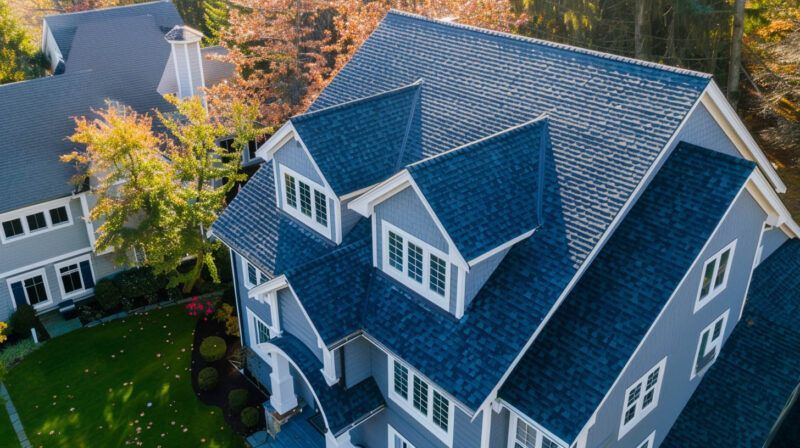
Your roof comprises several different parts that work together for structural support and protection against weather damage. The roof deck, typically made of strand board, serves as the base layer, while elements like underlayment provide extra protection and the ridge cap enhances aesthetics.
Key terms to know include the drip edge, which directs direct water rainwater away from the roof’s edge; rafters, the beams supporting the roof deck; and soffit vents, which promote airflow for better roof health. Each component collaborates to ensure your roof remains stable and durable.
Understanding Rafters and Trusses
Rafters are essential for your roof, providing strong structural support. These sloped beams extend from each side of the roof to the eaves, creating the roof’s pitch and supporting the deck and shingles. In contrast, trusses are prefabricated triangular structures that combine rafters and flat beams.
While rafters represent a traditional building method, trusses are now more popular due to their efficient weight distribution and reduced material use. Trusses feature flat beams at the top for robust connections.
Whether you choose rafters or trusses, both ensure stable roofing. Consult your contractor to determine the best option for your project’s complexity.
The Role of Sheathing in Roof Stability
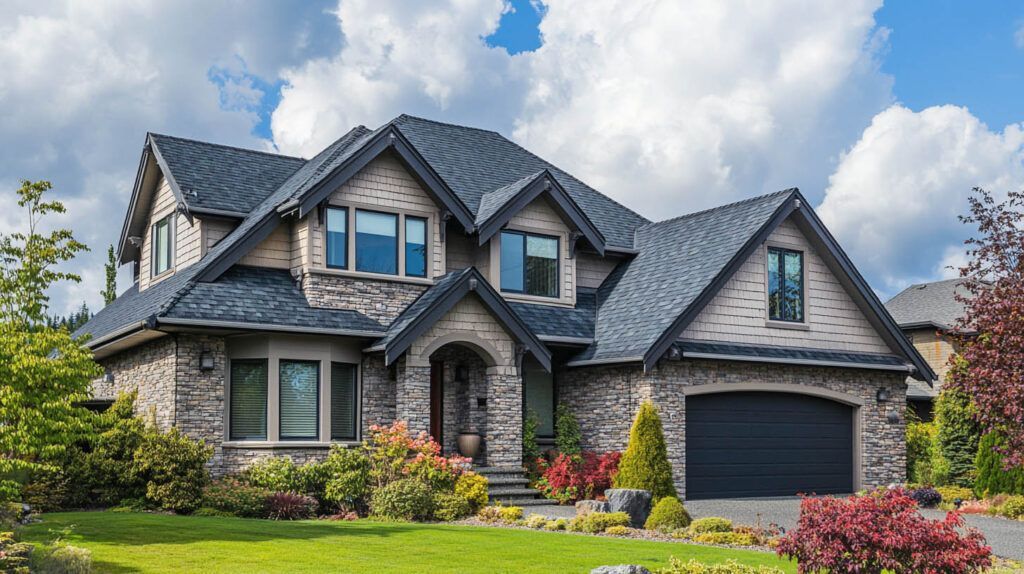
The term “sheathing” refers to the flat layer placed over the top of the rafters, providing strength and stability to the roofing system. Typically made from plywood or OSB, it serves as the foundation for roof components.
Sheathing is crucial for protecting your roof against water and weather damage, ensuring your home remains safe from the elements. It connects various roof parts and secures roofing materials in place.
Before installing shingles or other roofing materials, ensure your sheathing is in good condition. Essential for every roof, it enhances durability and security for years to come.
Importance of Underlayment and Drip Edges
An underlayment adds an extra layer of protection to your roof, sitting between the roof deck and outer materials to prevent water damage. Many prefer synthetic underlayment for its durability and strength.
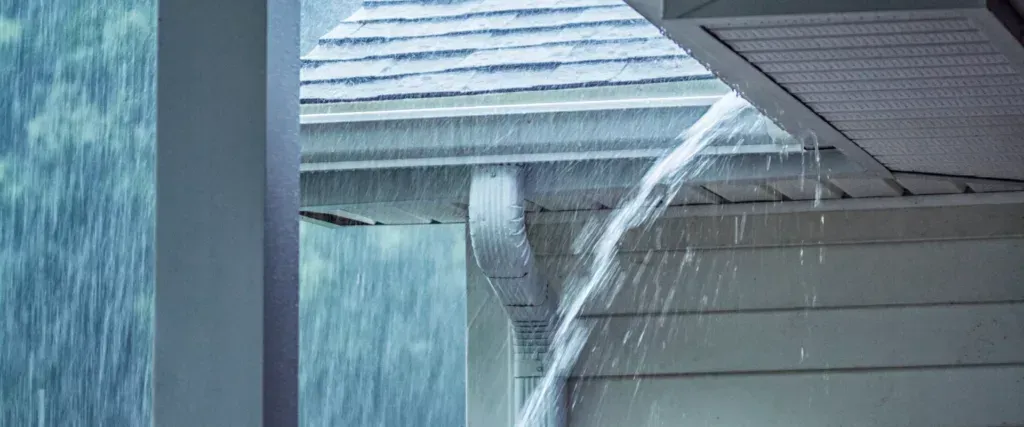
The drip edge complements the underlayment by directing rainwater into gutters, preventing water intrusion around vulnerable areas like fascia boards. This thin metal flashing ensures proper drainage and secures roofing materials.
- Protects against unexpected weather damage
- Seals areas prone to water accumulation
- Enhances the uniform appearance of roofing layers
Together, the underlayment and drip edge safeguard against water damage, prolonging your roof’s lifespan and maintaining its integrity.
Detailed Look at Roof Coverings
Roof coverings shield homes from the elements while enhancing their appearance. Materials such as asphalt shingles, wood, and metal protect against rain, wind, and sun while defining the home’s style.
Some prefer a uniform look with asphalt shingles, while others favor the natural sunlight light and aesthetics of wood siding. Your choice will impact your roof’s longevity. Explore the options below to find the ideal fit for your climate and desired aesthetic.
Different Types of Shingles
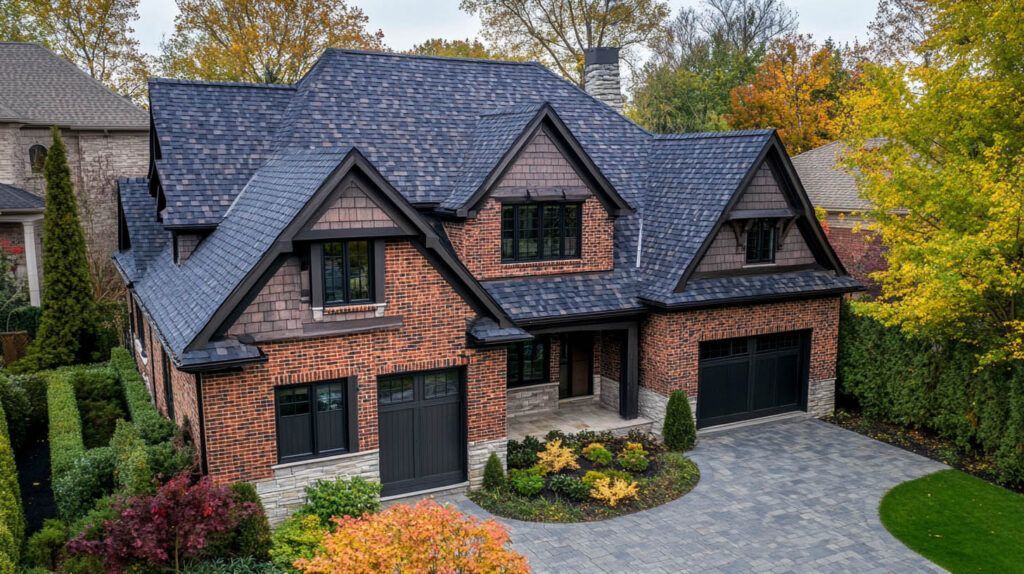
Asphalt shingles are an affordable and versatile roofing choice. Made from a fiberglass base with asphalt and small stones, they come in both fiberglass and organic matting options.
For a more natural appearance, wood shingles add warmth and charm but require maintenance to prevent mold growth. If you prefer a modern look, synthetic shingles offer durability and uniformity.
You can choose from basic three-tab designs or various styles to suit your aesthetic and strength needs. For guidance on the best option for your project, consult the roofing experts at 180 Contractors in Waterford, MI.
Benefits of Metal Roofing
Metal roofing is gaining popularity for its durability and energy efficiency. Proper ventilation, such as soffit and ridge vents, enhances your home’s seasonal performance.
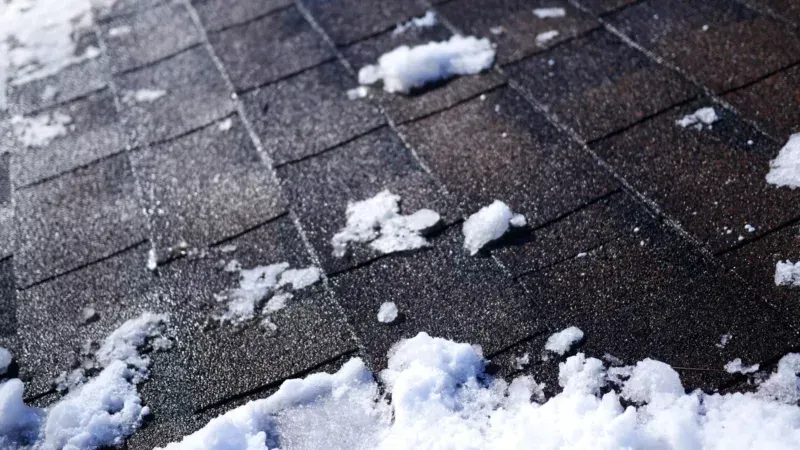
This roofing material withstands weather damage, preventing snow buildup and ice dams, making it ideal for Michigan’s climate. Available in aluminum, steel, and copper, metal roofing combines aesthetic appeal with long-lasting strength.
If you seek a roof that endures harsh weather without frequent repairs, metal roofing is an excellent choice, especially when installed by trusted professionals.
Innovations in Flat Roofing Systems
Flat roofing systems offer a sleek appearance and utilize synthetic materials to create a solid protective layer. This even surface reduces the risk of water damage despite the roof’s flat design.
Modern roofing materials are lightweight and easy to install while ensuring durability. Many flat roofs include features such as radiant barriers, enhancing heat management and building protection.
For those seeking roofing options compatible with solar panels or sunlight reflection, flat roofing systems are an excellent choice for both homeowners and business owners.
Roof Design Features
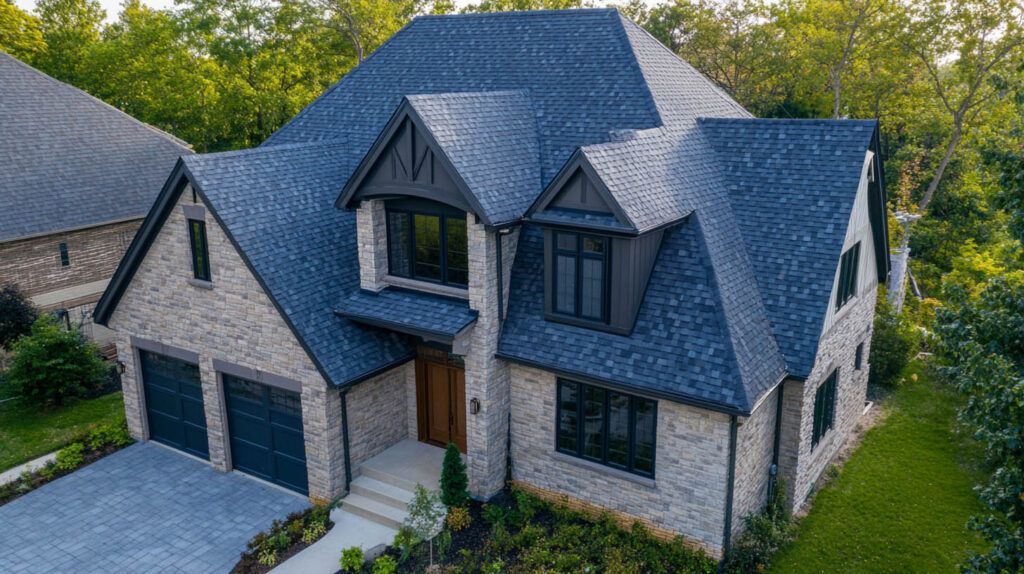
Roof design goes beyond aesthetics; it impacts water drainage, ventilation, and the longevity of your home. For instance, gable roof peaks and valleys enhance appearance while directing water away.
Practical elements like soffits and fascia promote attic airflow and prevent mold growth. These components work in harmony to ensure your roof is both attractive and durable. Below, we’ll discuss the key aspects of effective roof design to help you make informed choices for your home.
Exploring Gables and Roof Valleys
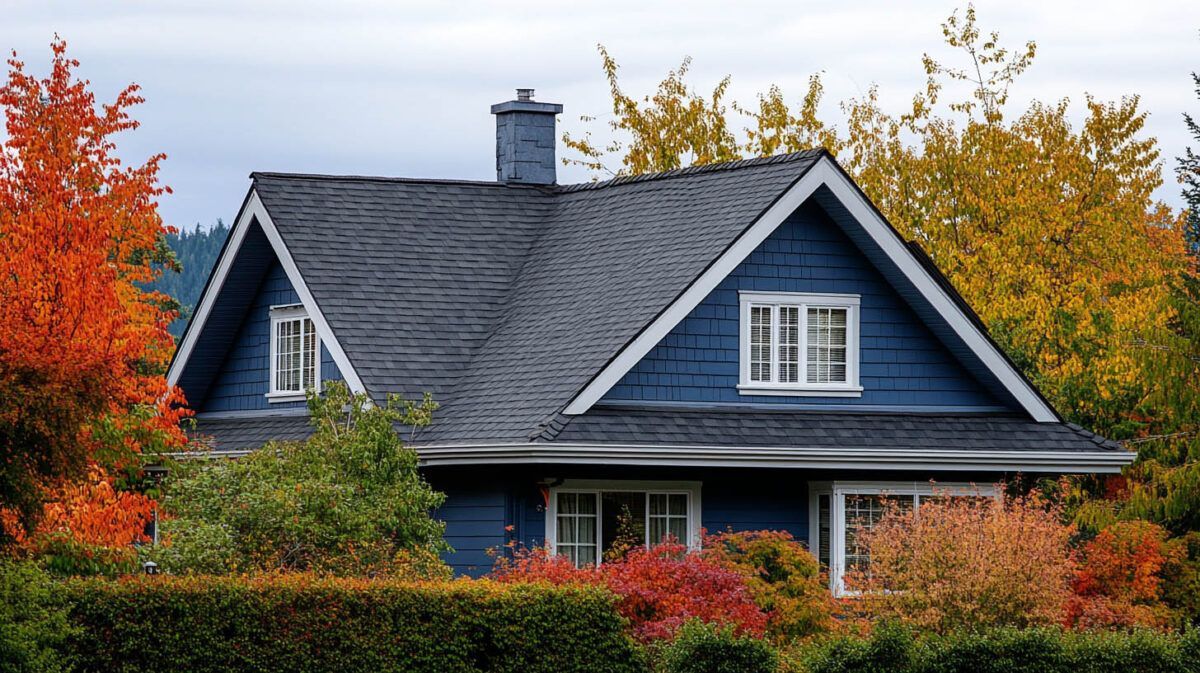
The gable roof, with its pointed triangular shape, is common in the U.S., especially in snowy areas like Michigan. When two sloped sections meet at the roof’s ridge, they create a valley that directs rainwater into gutters.
Utilizing the peak of a sloped roof facilitates quick water runoff, reducing weather damage risks like leaks. Roof valleys often require flashing for added water protection, ensuring the roof remains watertight.
These features are essential for both aesthetic appeal and effective drainage, contributing to a balanced and functional roof.
Significance of Eaves, Soffits, and Fascia
Eaves extend beyond the outer walls, providing crucial protection for vulnerable areas. Beneath the eaves lies the soffit, which features vents that allow air circulation.
Poor airflow can lead to mold growth and water damage, making proper installation essential. The fascia connects the walls to the roof rafters and supports elements like gutters.
Together, these components ensure your roof remains in good condition, promote airflow, and protect roofing materials from damage. Regular monitoring of each part is vital to prevent larger issues, extending your roof’s lifespan and safeguarding your home.
Advanced Roofing Materials
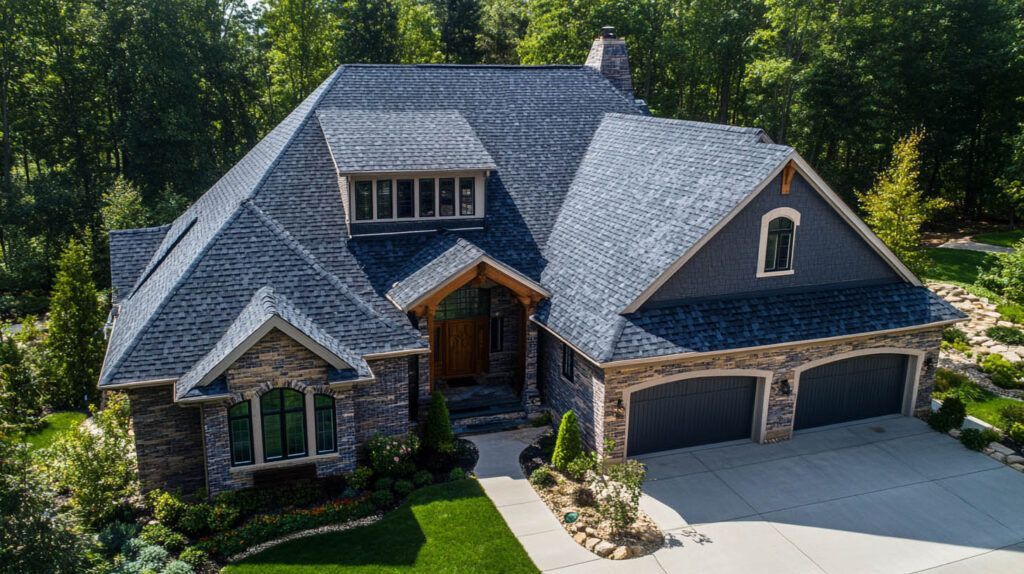
The evolution of roofing materials has revolutionized the way roofs are installed and maintained. Modern options such as metal and synthetic roofing not only enhance the visual appeal of a property but also offer superior durability, weather resistance, and enhanced water protection when compared to conventional materials. These advancements provide an additional level of protection against issues like mold growth and water damage, ensuring a longer lifespan for roofs and improved structural integrity for homes. By exploring these innovative alternatives, homeowners can make informed decisions that will safeguard their homes for years to come while reducing the need for frequent repairs or replacements.
Comparing Asphalt and Tile Shingles
Asphalt and tile shingles are popular roofing materials. Asphalt shingles offer a low-cost option in various colors and styles, enhancing your home’s aesthetic appeal.
In contrast, tile shingles are more durable, providing excellent weather resistance and superior water protection. They offer long-lasting strength.
Each roofing type requires specific installation and maintenance. Homeowners should consider their home’s structural needs, desired appearance, and maintenance requirements before making a decision.
Features of Wood Shingles and Shakes
Wood shingles and shakes add charm to any roofing system, often made from cedar, pine, or redwood. They provide a natural look and durability while ensuring proper attic ventilation and insulation, which can lower energy bills year-round. Wood shakes are thicker than shingles, offering a textured finish that aids water drainage and reduces mold risk. With regular maintenance, wood shingles and shakes can last even longer. For beauty and strength, they are an excellent roofing choice with great aesthetic appeal.
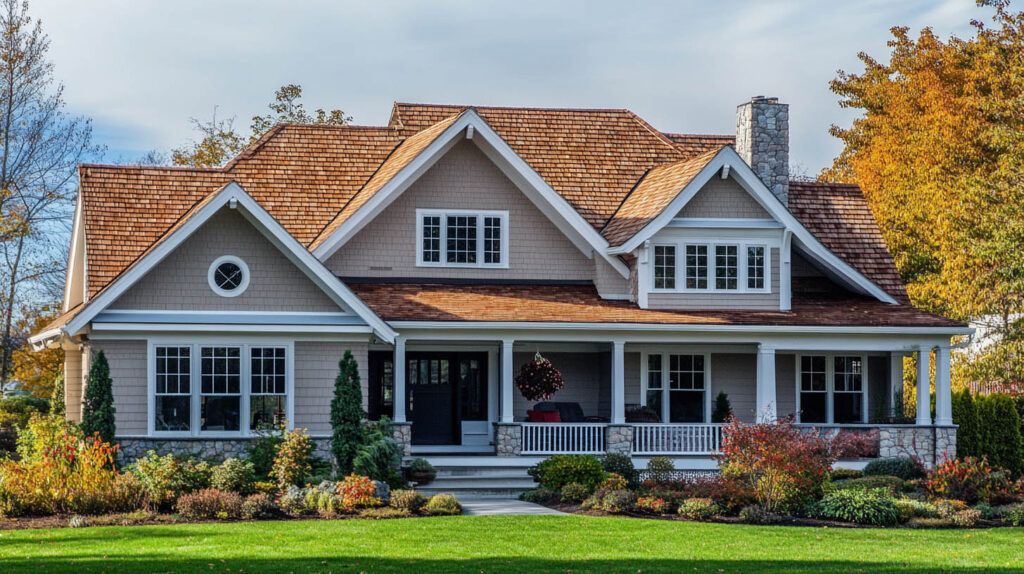
The Durability of Synthetic Roofing Options
Synthetic roofing materials are increasingly popular due to their durability and aesthetic appeal. Designed for strength, they withstand harsh weather while providing protection against water intrusion, ice dams, and mold. Many mimic asphalt and wood but require less maintenance. Lighter and easier to install, they enhance various roofing systems, offering structural support and long-lasting beauty.
Roofing Installation Techniques
Proper roofing installation ensures longevity and efficiency. Start with starter strips for a solid base, and ensure shingles are aligned correctly. Install proper flashing to protect vulnerable areas from water intrusion.
Ventilation is crucial too; use gable or ridge vents to manage moisture and improve airflow. Good ventilation keeps your roof in optimal condition for years.
Best Practices for Installing Shingles
Proper shingle installation begins with key steps that ensure both functionality and appearance. First, use secure roofing materials and align starters correctly. Each row of shingles should adequately cover the one beneath to create a strong moisture barrier with new materials.
Ensure the roof deck is clean and flat to prevent future issues like mold or water intrusion. Hiring a skilled roofing contractor guarantees adherence to standards, protecting your roof from weather damage for years and advising you on whether you need a full replacement or just repairs. Following these steps will enhance your roof’s longevity and aesthetic appeal.
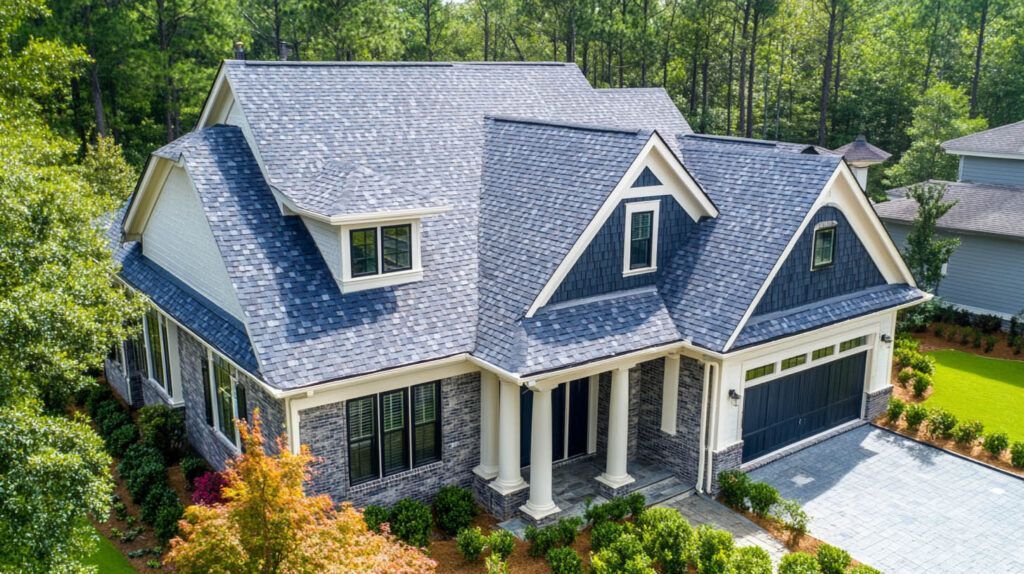
Importance of Proper Flashing
Proper flashing is crucial for a strong roofing system, acting as a barrier to prevent water intrusion. It’s installed in vulnerable areas such as around chimneys, skylights, and roof joints—common leak points that require additional protection. Flashing directs water away from these spots, reducing the risk of leaks and mold growth while protecting the building from damage. When correctly installed, metal flashing enhances the roof’s appearance and adds an extra layer of protection against weather and wear.
Techniques for Ensuring Effective Insulation
Proper insulation is crucial for energy efficiency and comfort in a home. It minimizes heat loss in winter and heat gain in summer, reducing reliance on heating and cooling systems. Effective insulation strategies include fiberglass batts or spray foam in attics, ensuring coverage in hard-to-reach areas.
Ventilation is also essential to prevent moisture buildup that can cause mold and water damage. Gable vents or ridge vents promote airflow, maintaining a balanced environment under the roof. Regular inspections and maintenance are key to ensuring insulation effectiveness and addressing vulnerable areas promptly to avoid costly repairs.
Why Choose Us
Understanding your roof’s anatomy empowers homeowners to make informed maintenance and repair decisions. At 180 Contractors Roofing & Siding in Waterford, MI, we emphasize the importance of components like rafters, trusses, and roofing materials in identifying vulnerabilities and weather damage. Our BBB A+ accreditation and Guildmaster recognition highlight our dedication to customer satisfaction. Being listed among the INC 5000 and achieving Google Guaranteed status further showcase our reliability. Partnering with trusted brands ensures regular maintenance extends your roof’s lifespan and prevents costly replacements. We invest in high-quality materials and proper installation to protect against water intrusion, mold growth, structural damage, and maintain aesthetic appeal.
Read our blog: Cool Roofs vs. Traditional Roofs: Pros and Cons
Frequently Asked Questions
What is the best roofing material for a Michigan climate?
When choosing roofing materials for Michigan’s climate, consider options like asphalt shingles, which offer durability and weather resistance. Metal roofing is also suitable due to its longevity and ability to withstand harsh winters while shedding snow effectively.
How often should I inspect my roof?
Regular roof inspections are crucial for maintaining your roof’s integrity. It’s recommended to inspect your roof at least twice a year, ideally in spring and fall, and after severe weather events. This proactive approach helps identify issues early, preventing costly roof replacement repairs down the line.
GET A FREE QUOTE
We will get back to you as soon as possible.
Please try again later.
Recent Posts