Vinyl siding is one of the most versatile and durable exterior cladding options available. With a vast range of colors to choose from, homeowners can achieve the perfect look for their property while also boosting curb appeal and resale value. Selecting the right vinyl siding color involves considering factors such as neighborhood aesthetics, architectural style, and long-term maintenance. This guide explores the best vinyl siding colors, their benefits, and expert recommendations for making the best choice.
Popular Vinyl Siding Colors for Homeowners
Soft Neutrals for Timeless Appeal
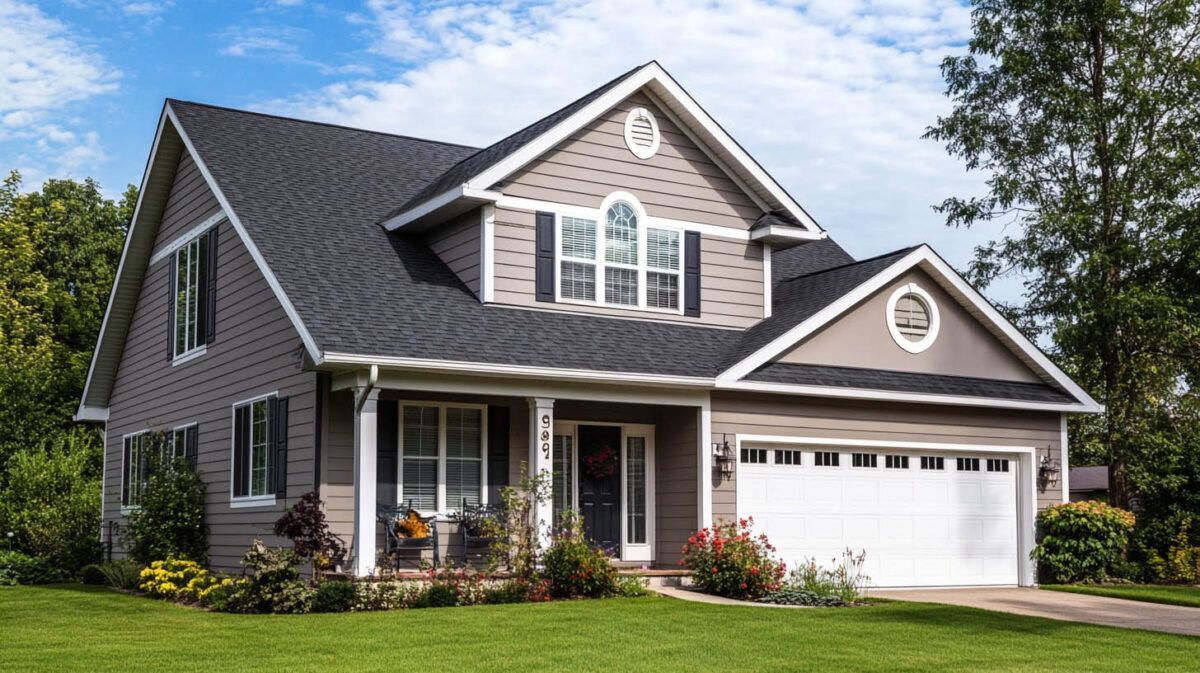
Neutral tones remain a top choice for homeowners due to their broad appeal and adaptability. Colors like beige, gray, off-white, and taupe complement various architectural styles and work well in any neighborhood. Additionally, homes with soft neutral siding tend to attract more potential buyers, making them a strategic choice for resale value.
Earthy Tones for a Natural Look
Colors inspired by nature, such as sage green, warm brown, and sandy taupe, have gained popularity. These shades blend seamlessly with outdoor landscapes and provide a welcoming, organic appearance. Earthy tones are especially suitable for homes in rural or wooded areas.
Bold and Dark Hues for Modern Designs
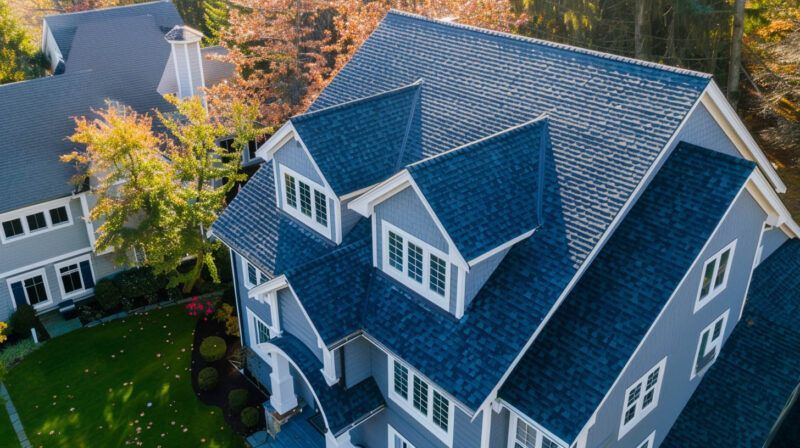
Deep blues, charcoal grays, and forest greens are trending among homeowners who want to make a statement. Dark siding colors create a striking contrast, especially when paired with white or light-colored trims. These shades are ideal for modern and contemporary home designs.
Classic Whites for a Clean and Fresh Look
White siding remains a classic choice, offering a crisp, clean aesthetic that enhances architectural details. White homes pair well with almost any accent color and provide a bright, inviting appearance. However, they require more maintenance to keep them looking fresh.
Two-Tone and Multi-Color Combinations
Many homeowners opt for a two-tone siding approach, using different colors to highlight architectural features. For example, a light-colored main siding with a darker accent under the gables can add depth and visual interest. This technique is effective in creating a balanced and customized exterior.
Factors to Consider When Choosing a Vinyl Siding Color
Neighborhood Aesthetic and Homeowner’s Association Guidelines
Before finalizing a color, homeowners should consider the overall look of their neighborhood. Choosing a color that blends well with surrounding homes helps maintain property values and ensures aesthetic harmony. Additionally, some homeowner’s associations (HOAs) have regulations regarding exterior colors, so checking these rules is essential.
Coordination with Roof, Trim, and Other Exterior Elements
A home’s siding should complement existing exterior features, including the roof, trim, brickwork, and stone accents. For instance, if the roof is dark brown, warm-toned siding may be a better match than cool shades. Ensuring color harmony among these elements creates a cohesive and polished appearance.
Climate and Sun Exposure
Climate plays a crucial role in color selection. In regions with high sun exposure, lighter colors are preferable as they reflect heat and prevent siding from fading quickly. Conversely, darker colors may absorb more heat and could lead to increased cooling costs.
Long-Term Maintenance and Durability
Darker siding colors may show dirt, dust, and fading more easily, requiring more frequent cleaning. Light and neutral tones often hide imperfections better and maintain their fresh look for longer. Considering maintenance needs is essential when selecting a color that will remain attractive for years.
How to Add Visual Interest with Accent Colors
Highlighting Architectural Features
Using an accent color on architectural features such as dormers, eaves, and shutters can enhance the home’s appearance. For example, a beige siding with deep blue shutters creates a balanced contrast that draws attention to the details.
Contrasting Trim and Doors
Contrasting trim colors can make a home’s exterior pop. A classic white trim against dark siding or a bold-colored front door against neutral siding adds character and curb appeal.
Blending with Landscaping
Choosing a siding color that harmonizes with the surrounding landscape can enhance the overall visual appeal. Earthy tones complement lush greenery, while cool blues and grays work well in coastal or modern settings.
The Impact of Vinyl Siding Colors on Home Value
The right siding color can significantly impact a home’s resale value. Neutral tones and universally appealing colors tend to attract more buyers, while bold colors may limit marketability. Additionally, a well-maintained and color-coordinated exterior can increase perceived home value and lead to a quicker sale.
Expert Vinyl Siding Installation and Brands We Trust
For homeowners seeking expert siding installation, 180 Contractors Roofing & Siding, located in Troy, MI, provides top-quality craftsmanship and professional guidance. With extensive experience in siding installation, we work with top industry brands, including James Hardie, Alside, and Everlast. Our commitment to excellence is backed by certifications such as BBB A+ accreditation, Guildmaster (GuildQuality), INC 5000, Google Guaranteed, and Qualified Remodeler Top 100 Satisfaction. Whether upgrading your home’s exterior or preparing for resale, our team ensures a seamless and durable siding installation.
Frequently Asked Questions (FAQs)
What is the most popular vinyl siding color?
Soft neutral shades like beige, gray, and off-white are among the most popular choices due to their timeless appeal and high resale value.
Do dark vinyl siding colors fade faster?
Yes, darker colors tend to absorb more UV rays, which can lead to faster fading over time. Choosing high-quality, UV-resistant siding can help minimize this issue.
Can I paint my vinyl siding if I want a new color?
Yes, vinyl siding can be painted using high-quality acrylic paint. However, selecting a factory-finished color is preferable for long-term durability.
What colors make a house look bigger?
Lighter colors, such as white, cream, and soft pastels, can make a home appear larger by reflecting more light and creating an open, airy feel.
How do I choose a vinyl siding color that complements my home’s roof?
To ensure a cohesive look, select a siding color that harmonizes with your roof’s shade. For example, warm-toned siding pairs well with brown or tan roofs, while cool-toned siding suits gray or black roofs.
Conclusion
Selecting the right vinyl siding color is a crucial decision that impacts a home’s aesthetics, energy efficiency, and resale value. By considering factors such as neighborhood trends, climate, and existing exterior features, homeowners can choose a color that enhances curb appeal and complements their home’s architecture. With expert installation from trusted professionals, your new siding will provide beauty, durability, and long-lasting value.
Read also our blog:
Essential Steps to Take After a Hail Storm: Roof and Siding Protection Guide