Hail storms can cause extensive damage to a home’s roofing and siding, leading to leaks, structural issues, and costly repairs if not addressed promptly. Homeowners must take immediate action to assess, document, and repair any damage caused by hail to prevent further deterioration. Understanding the steps to take after a storm ensures efficient insurance claims and long-lasting home protection.
Assessing Hail Damage on Roofing and Siding
Signs of Hail Damage on Roofing
Roofing materials react differently to hail impacts based on their composition and age. Common indicators of hail damage include:
- Dented or Bruised Shingles:
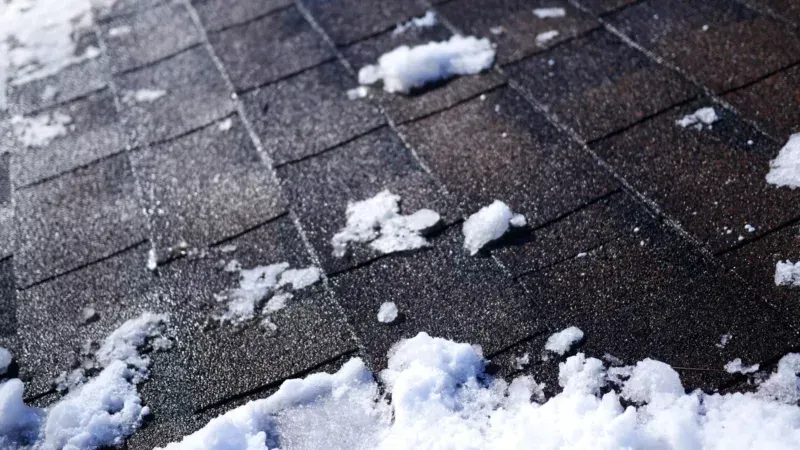
Asphalt shingles may have dark spots or soft indentations where the granules have been knocked away.
- Missing or Loose Shingles: High winds accompanying hail storms can dislodge shingles, leaving the underlayment exposed.
- Cracked or Broken Tiles: Clay and slate roofing tiles can fracture upon impact, leading to potential leaks.
- Metal Dents:
Metal roofing may show noticeable dents but typically remains structurally sound unless punctured.
Signs of Hail Damage on Siding
Vinyl, fiber cement, and wood siding all react differently to hail impacts. Damage may include:
- Dents and Cracks:
Vinyl siding crack upon impact, exposing the insulation underneath.
- Chipping or Paint Damage:
Fiber cement siding may chip or show paint damage, reducing its protective coating.
- Splitting or Splintering:
Wood siding may splinter or develop moisture-related issues if not repaired promptly.
Immediate Actions After a Hail Storm
1. Perform a Visual Inspection
As soon as it is safe, walk around the home and assess visible damage. Take clear photographs of any damage, including roofing, siding, gutters, and windows. These images will be essential for insurance claims.
2. Check for Leaks or Interior Damage
Inspect the attic and ceilings for water stains, leaks, or damp insulation. If water intrusion is detected, place buckets or protective coverings to prevent further interior damage.
3. Schedule a Professional Roof and Siding Inspection
Hiring a licensed and experienced contractor for a post-storm inspection is essential. Professionals can:
- Identify hidden structural damage not visible from the ground.
- Provide a detailed damage report for insurance purposes.
- Offer temporary repairs to prevent further deterioration.
At 180 Contractors Roofing & Siding, located in Waterford, MI, we offer expert inspections and work with homeowners to ensure a smooth repair process.
Navigating the Insurance Claims Process
1. Contact Your Insurance Provider
Notify your insurance company about the hail damage as soon as possible. Provide documentation, including photos and a professional inspection report, to support your claim.
2. Schedule an Insurance Adjuster Inspection
An adjuster will visit the property to assess the damage and determine the coverage amount for repairs. It’s beneficial to have a trusted contractor present during the adjuster’s inspection to ensure that all damage is noted.
3. Compare Contractor and Insurance Estimates
If the insurance estimate is lower than the contractor’s repair cost, homeowners can request a review or appeal. Contractors experienced in handling storm damage claims can often negotiate with insurers to secure fair compensation.
Repair and Replacement Considerations
1. Choose High-Quality, Impact-Resistant Materials
After experiencing hail damage, upgrading to impact-resistant shingles and durable siding can prevent similar issues in the future. Options include:
- Class 4 Impact-Resistant Shingles: Designed to withstand hail without cracking.
- Fiber Cement Siding:
More resistant to dents and cracking than vinyl siding.
- Aluminum and Steel Siding: Durable options that can endure severe weather conditions.
2. Get on the Repair Schedule Early
After a widespread hail storm, demand for roofing and siding services increases significantly. Booking a contractor as soon as possible ensures faster repairs and avoids material shortages.
3. Plan for Future Storm Protection
Installing storm-resistant roofing, reinforced gutters, and proper attic ventilation can further protect the home from hail-related damage.
Frequently Asked Questions
How soon should I inspect my roof and siding after a hail storm?
It’s best to inspect your home immediately after the storm or as soon as it is safe. Early detection prevents further deterioration and speeds up insurance claims.
Will my insurance cover hail damage repairs?
Most homeowner insurance policies cover hail damage, but coverage depends on policy terms and deductibles. Check with your provider for specific details.
Can small hail cause significant damage?
Yes, even small hail can erode shingle granules, crack siding, and weaken protective barriers, leading to long-term structural issues.
What happens if I delay hail damage repairs?
Delaying repairs can lead to leaks, mold growth, energy loss, and higher repair costs in the future. Immediate action is recommended.
How can I prevent hail damage in the future?
Upgrading to impact-resistant materials, maintaining gutters, and ensuring proper attic ventilation can help minimize future storm damage.
Conclusion
Hail storms can severely impact a home’s roofing and siding, but taking prompt action minimizes damage and ensures a smooth insurance claims process. Scheduling a professional inspection, securing temporary repairs, and selecting high-quality replacement materials are essential steps for restoring and fortifying a home after a storm.
Read also our blog:
How to Choose the Best Siding Contractor for Your Home