Exclusive Roofing Services in Oakland County: Unmatched Excellence

180 Contractors • July 11, 2026

In the evolving landscape of property maintenance and inspection, the integration of drone technology has marked a transformative era in roofing assessments. This advanced approach transcends the limitations of traditional methods, offering unparalleled precision, safety, and efficiency. This article delves into the multifaceted advantages of drone-powered roof inspections, underscoring their significance in modern roofing practices.


Revolutionizing Drone Roof Inspections

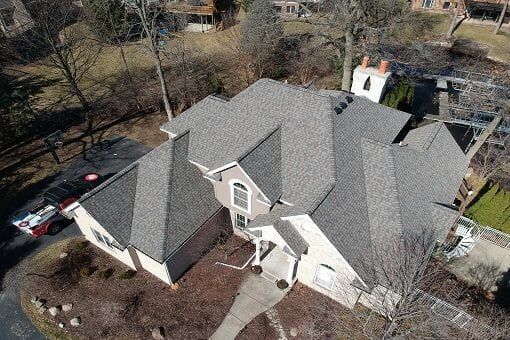
The advent of drone technology in roof inspections represents a significant leap towards innovation and efficiency. By harnessing the capabilities of drones equipped with high-resolution cameras and advanced imaging technologies, roofing professionals can now conduct thorough and accurate assessments of roof conditions from the safety of the ground. This section explores the core aspects of drone roof inspections, highlighting their operational excellence and the profound impact they have on the roofing industry.


Unmatched Precision and Detail

Drone roof inspections offer an unprecedented level of accuracy and detail, far surpassing the capabilities of manual inspections. The accuracy of aerial imaging enables the detection of the minutest flaws and weaknesses, guaranteeing a thorough evaluation of the roof’s state. This meticulous approach to inspections facilitates early detection of potential issues, preventing minor problems from escalating into major repairs.


Enhanced Safety for Inspectors

The traditional method of roof inspections often involves significant risks, with inspectors required to navigate steep, high, or otherwise hazardous surfaces. Drone technology negates the necessity for direct contact with the roof, markedly diminishing the likelihood of accidents and injuries. This progress not only safeguards the well-being of inspectors but also preserves the roof’s structural integrity against possible harm throughout the inspection procedure.


Cost and Time Efficiency

Drone inspections are remarkably efficient, both in terms of time and cost. The rapid data collection capabilities of drones expedite the inspection process, allowing for swift assessments that minimize downtime for property owners. Additionally, the reduced need for manual labor and the elimination of specialized equipment for accessing roofs translate into significant cost savings. This efficiency makes drone inspections an attractive option for both residential and commercial property owners.


Comprehensive Reporting and Analysis

The data collected during drone roof inspections is processed and analyzed to produce detailed reports, offering an in-depth view of the roof’s condition. These reports include high-resolution images, videos, and precise measurements, providing property owners with the information needed to make informed decisions about maintenance and repairs. The comprehensive nature of these reports ensures transparency and facilitates effective communication between roofing professionals and their clients.


The Operational Workflow of Drone Roof Inspections

The effectiveness of drone roof inspections lies in a well-structured operational workflow, from pre-flight preparations to post-inspection analysis. This section outlines the steps involved in conducting a drone roof inspection, emphasizing the meticulous planning and execution required to achieve optimal results.


Pre-Flight Preparations and Flight Path Planning

Successful drone inspections begin with thorough pre-flight preparations, including battery checks, connectivity tests, and camera calibrations. Roofing professionals also plan the drone’s flight path carefully, ensuring comprehensive coverage of the roof area. This preparatory stage is crucial for maximizing the efficiency and effectiveness of the inspection.


Real-Time Data Capture

As the drone navigates the predetermined flight path, it captures high-resolution images and videos of the roof. This real-time data collection provides a detailed overview of the roof’s condition, allowing inspectors to identify issues that may not be visible from the ground. The ability to capture data from various angles and perspectives enhances the thoroughness of the inspection.


Detailed Analysis and Reporting

Following the data capture phase, the collected information is processed and analyzed to identify any signs of damage, wear, or other concerns. Roofing professionals use specialized software to interpret the data, generating comprehensive reports that highlight the condition of the roof. These reports serve as a valuable tool for property owners, enabling them to understand the specific needs of their roof and plan accordingly.


Expanding the Reach: Industries Benefiting from Drone Inspections

The versatility of drone technology extends its benefits beyond residential roofing, impacting various industries that require accurate and efficient roof inspections. Commercial properties, insurance companies, and the construction and real estate sectors all stand to gain from the adoption of drone inspections. This technology offers a scalable solution that can accommodate the unique challenges and requirements of different industries, providing a universal tool for roof assessment and maintenance.


Conclusion

The integration of drone technology in roof inspections represents a significant advancement in the roofing industry, offering a blend of precision, safety, and efficiency that traditional methods cannot match. As pioneers in this field, 180 Contractors Roofing and Siding leverages drone technology to provide superior roofing services, setting a new standard for quality and reliability. Through the adoption of drone inspections, we are committed to delivering the highest level of service to our clients, ensuring the longevity and integrity of their roofs with cutting-edge solutions.

GET A FREE QUOTE

Share this article

Recent Posts

By 180 Contractors July 14, 2026
A roof leak is more than just an inconvenience; it’s a breach in your home’s first line of defense against the elements. Identifying and addressing the source of a roof leak promptly can prevent further damage to your home. This guide delves into the ten most common roof leak locations, offering insights into detection and prevention strategies that ensure your home remains dry and secure. 1. Shingle Damage Shingles are the outermost layer of protection for many roofs. Over time, they can become damaged due to severe weather conditions, falling debris, or wear and tear. Cracked, missing, or curled shingles are clear indicators that water may infiltrate your home. Detection Tips: Regularly inspect your roof for shingle damage, especially after heavy storms. Look for signs of shingle granules in gutters; this can indicate advanced wear. 2. Improperly Sealed Valleys Valleys, where two roof planes meet, are prone to leaks if not sealed correctly. Water can seep through the gaps and into your home if the sealant deteriorates over time or if the initial installation was flawed. Prevention Strategies: Ensure valleys are properly sealed during installation and maintenance checks. Consider installing metal flashing for added durability and protection. 3. Roof Flashing Compromise Flashing, typically made of metal, is used to direct water away from critical areas of the roof, such as chimneys, vents, and where the roof meets a wall. If flashing is damaged or loosens, it can become a prime entry point for water. Maintenance Advice: Inspect flashing regularly for signs of rust, cracks, or separation. Replace damaged flashing immediately to prevent water damage. 4. Vent Boot Deterioration Vent boots, which seal the area around roof vents, can deteriorate over time, allowing water to enter the home. Cracked or worn vent boots are common sources of leaks. Inspection Tips: Check the rubber seals around vent boots for signs of wear or cracking. Replace any damaged vent boots as part of routine roof maintenance. 5. Skylight Leaks Skylights add natural light to your home but can be vulnerable to leaks if not installed correctly or if the seals around them fail. Leak Prevention: Ensure skylights are installed with proper flashing and sealing. Regularly check the seals for cracks or gaps and reseal as necessary. 6. Clogged Gutters Gutters play a crucial role in directing water away from your roof and home. When gutters are clogged with debris, water can back up and seep under the roof shingles, leading to a roof leak. Regular Maintenance: Clean gutters at least twice a year to prevent blockages. Consider gutter guards to reduce debris accumulation. 7. Chimney Wear and Tear The intersection of your chimney is a common location for a roof leak, especially if the chimney cap is damaged or the mortar between bricks has eroded. Chimney Care: Inspect the chimney cap and replace it if damaged. Repointing the chimney can prevent water from entering through eroded mortar. 8. Ice Dam Formation In colder climates, ice dams can form at the roof’s edge, preventing melting snow from draining off the roof. This can lead to water backing up under the shingles and into the home. Ice Dam Mitigation: Ensure your attic is well-insulated to prevent heat from escaping and melting snow unevenly. Install roof heating cables to prevent ice dam formation. 9. Attic Condensation A poorly ventilated attic can lead to condensation buildup, which may mimic a roof leak. This moisture can damage your roof structure and interior ceilings. Ventilation Solutions: Improve attic ventilation to allow moisture to escape. Insulate attic floors to prevent warm air from rising and condensing. 10. Age-Related Wear Over time, roofing materials can deteriorate, making your roof more susceptible to leaks. Regular inspections can identify potential problems before they lead to significant damage. Longevity Tips: Schedule professional roof inspections annually. Consider a roof replacement if your roof is beyond its expected lifespan and repairs are frequent. Partnering with Professionals: when You Have a Roof Leak For homeowners in Waterford, MI, facing persistent roof leak challenges, partnering with a reputable roofing contractor like 180 Contractors Roofing and Siding can provide peace of mind. Their expertise in identifying and repairing leak sources ensures your home remains protected against the elements. Conclusion Addressing your roof leak promptly and effectively requires an understanding of the most common leak locations and their prevention strategies. By staying vigilant and undertaking regular maintenance, homeowners can safeguard their homes against the potentially devastating effects of water damage.
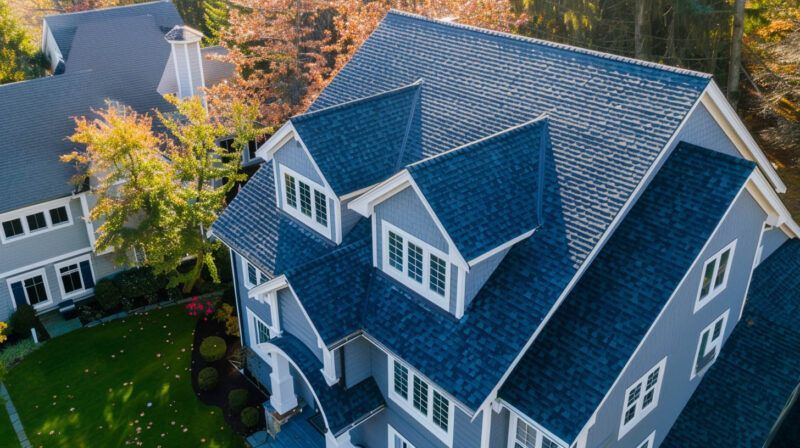
Aerial view of a large blue-gray house with dormer windows and a landscaped yard in autumn
By 180 Contractors May 14, 2026
Your roof works silently year after year, shielding your home from rain, wind, sun, and snow. But like every part of your home, it doesn’t last forever. The key is knowing when repair is no longer enough—and a full roof replacement is the smarter, safer move. For homeowners in Bloomfield Hills, MI, where intense season
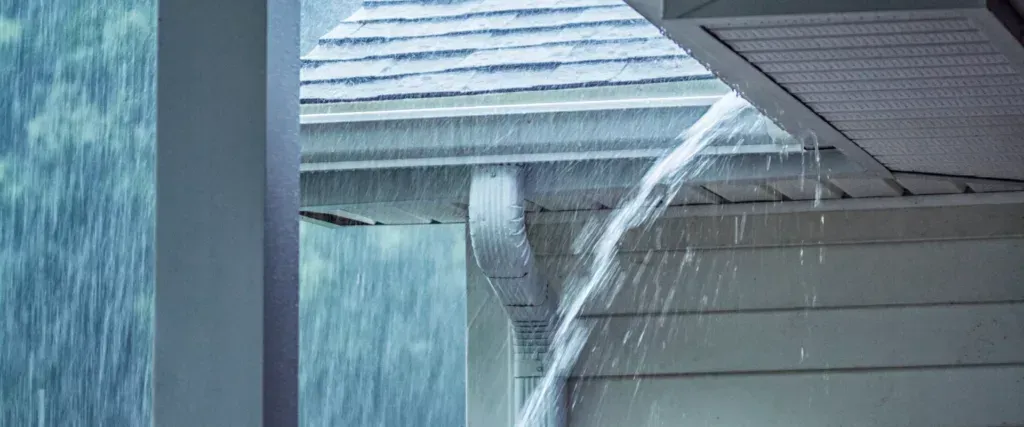
Rainwater pouring from a house roof and gutter during a storm
By 180 Contractors April 13, 2026
Michigan weather can be tough on homes, especially when it comes to your roof. From heavy snow in the winter to strong thunderstorms in the summer, each season brings conditions that can wear down roofing materials over time. Knowing how these storms affect your roof can help you catch problems early and avoid more ser