
How Contractors Determine New Roof Costs and Wonderful Financing Options

180 Contractors • July 10, 2026

In the intricate world of home maintenance, the significance of a timely and thorough roof inspection often goes unnoticed until an evident problem arises. Nestled in the vibrant community of Waterford, MI, 180 Contractors Roofing and Siding stands as a beacon of excellence, advocating for the pivotal role of roof inspections. These inspections are not merely preventative measures but strategic approaches to safeguarding your financial well-being and ensuring the longevity of your home. This article meticulously explores three fundamental ways in which a roof inspection can lead to substantial savings, thereby ensuring your home remains a sanctuary of comfort and security.


Elevating Energy Efficiency: A Roof Over Your Comfort

The roof serves as the primary barrier against the harsh elements, playing a crucial role in the energy efficiency of your home. It is instrumental in retaining warmth during the biting cold months and maintaining coolness during the sweltering summer heat. An inspection can reveal minor issues such as leaks, holes, or inadequate insulation, which, when addressed promptly, prevent the escape of conditioned air.


The completion of necessary repairs following an inspection ensures that your HVAC system operates with optimal efficiency. This translates to reduced energy consumption and, consequently, lower utility bills. The investment in roof inspections, therefore, yields long-term savings. By enhancing the energy efficiency of your home, you not only contribute to environmental conservation but also ensure a comfortable living environment for your family.


Preventing Costly Repairs: The Proactive Approach

The adage “a stitch in time saves nine” is particularly pertinent in the context of roof maintenance. Minor leaks and damages, while seemingly inconsequential, can escalate into significant issues if left unaddressed. Water infiltration, for instance, can compromise the structural integrity of the roof decking, leading to rot and mold growth. This not only necessitates expensive repairs but can also cause extensive damage to the interior of your home, including insulation, drywall, and even personal belongings.


By opting for roof inspections, homeowners can identify and rectify these minor issues early on, circumventing the need for more extensive, and consequently costly, repairs down the line. This proactive approach not only ensures the longevity of your roof but also maintains the overall value of your home. Regular inspections can uncover potential problems before they become emergencies, allowing for planned repairs that fit your budget and schedule.


Maximizing Warranties and Insurance Benefits: Financial Safeguards

Regular roof inspections are crucial in leveraging manufacturer warranties and streamlining insurance claims. Most roofing materials come with warranties that require adherence to specific maintenance guidelines. A professional inspection by a reputable company provides the necessary documentation to meet these criteria, ensuring your warranty remains valid. This is particularly important in cases where roofing issues arise that are covered under warranty, as it can significantly reduce out-of-pocket expenses for repairs or replacements.


Furthermore, in the event of damage, a well-documented inspection history can expedite insurance claims, making the process smoother and less stressful. Insurance companies often require proof of regular maintenance when processing claims related to roof damage.


A comprehensive inspection report can serve as evidence that the damage was not due to negligence, thereby increasing the likelihood of a favorable outcome. This not only saves money but also ensures that your roof receives the care and attention it deserves, ultimately protecting your investment in your home.


The Importance of Choosing the Right Roofing Partner

Selecting the right contractor for your roof inspections and maintenance is paramount. A reputable and experienced roofing company will provide thorough inspections, detailed reports, and professional advice on any necessary repairs or preventive measures. It’s essential to choose a contractor with a solid track record of quality workmanship and customer satisfaction. This ensures that your roof is in capable hands and that any issues identified during the inspection are addressed promptly and effectively.


The Long-Term Benefits of Regular Roof Inspections

Beyond the immediate financial savings, regular roof inspections offer several long-term benefits. They extend the lifespan of your roof by ensuring that minor issues are fixed before they escalate into major problems. This can delay the need for a full roof replacement, which is a significant financial undertaking. Additionally, a well-maintained roof enhances the curb appeal of your home, which is crucial if you plan to sell your property in the future. A roof in good condition is a key selling point and can increase the market value of your home.


Conclusion

Roof inspections is an invaluable tool in the arsenal of home maintenance strategies. It goes beyond the simple task of identifying potential issues; it is a proactive measure that safeguards your financial interests and ensures the structural integrity of your home. By enhancing energy efficiency, preventing costly repairs, and maximizing warranties and insurance benefits, homeowners can enjoy significant savings and peace of mind.


The importance of selecting a reputable and experienced roofing partner cannot be overstated, as their expertise and guidance are critical in maintaining the health of your roof. Embrace the wisdom of proactive home maintenance with roof inspections, and secure the health of your roof and your finances for years to come.

GET A FREE QUOTE

Share this article

Recent Posts

By 180 Contractors July 14, 2026
A roof leak is more than just an inconvenience; it’s a breach in your home’s first line of defense against the elements. Identifying and addressing the source of a roof leak promptly can prevent further damage to your home. This guide delves into the ten most common roof leak locations, offering insights into detection and prevention strategies that ensure your home remains dry and secure. 1. Shingle Damage Shingles are the outermost layer of protection for many roofs. Over time, they can become damaged due to severe weather conditions, falling debris, or wear and tear. Cracked, missing, or curled shingles are clear indicators that water may infiltrate your home. Detection Tips: Regularly inspect your roof for shingle damage, especially after heavy storms. Look for signs of shingle granules in gutters; this can indicate advanced wear. 2. Improperly Sealed Valleys Valleys, where two roof planes meet, are prone to leaks if not sealed correctly. Water can seep through the gaps and into your home if the sealant deteriorates over time or if the initial installation was flawed. Prevention Strategies: Ensure valleys are properly sealed during installation and maintenance checks. Consider installing metal flashing for added durability and protection. 3. Roof Flashing Compromise Flashing, typically made of metal, is used to direct water away from critical areas of the roof, such as chimneys, vents, and where the roof meets a wall. If flashing is damaged or loosens, it can become a prime entry point for water. Maintenance Advice: Inspect flashing regularly for signs of rust, cracks, or separation. Replace damaged flashing immediately to prevent water damage. 4. Vent Boot Deterioration Vent boots, which seal the area around roof vents, can deteriorate over time, allowing water to enter the home. Cracked or worn vent boots are common sources of leaks. Inspection Tips: Check the rubber seals around vent boots for signs of wear or cracking. Replace any damaged vent boots as part of routine roof maintenance. 5. Skylight Leaks Skylights add natural light to your home but can be vulnerable to leaks if not installed correctly or if the seals around them fail. Leak Prevention: Ensure skylights are installed with proper flashing and sealing. Regularly check the seals for cracks or gaps and reseal as necessary. 6. Clogged Gutters Gutters play a crucial role in directing water away from your roof and home. When gutters are clogged with debris, water can back up and seep under the roof shingles, leading to a roof leak. Regular Maintenance: Clean gutters at least twice a year to prevent blockages. Consider gutter guards to reduce debris accumulation. 7. Chimney Wear and Tear The intersection of your chimney is a common location for a roof leak, especially if the chimney cap is damaged or the mortar between bricks has eroded. Chimney Care: Inspect the chimney cap and replace it if damaged. Repointing the chimney can prevent water from entering through eroded mortar. 8. Ice Dam Formation In colder climates, ice dams can form at the roof’s edge, preventing melting snow from draining off the roof. This can lead to water backing up under the shingles and into the home. Ice Dam Mitigation: Ensure your attic is well-insulated to prevent heat from escaping and melting snow unevenly. Install roof heating cables to prevent ice dam formation. 9. Attic Condensation A poorly ventilated attic can lead to condensation buildup, which may mimic a roof leak. This moisture can damage your roof structure and interior ceilings. Ventilation Solutions: Improve attic ventilation to allow moisture to escape. Insulate attic floors to prevent warm air from rising and condensing. 10. Age-Related Wear Over time, roofing materials can deteriorate, making your roof more susceptible to leaks. Regular inspections can identify potential problems before they lead to significant damage. Longevity Tips: Schedule professional roof inspections annually. Consider a roof replacement if your roof is beyond its expected lifespan and repairs are frequent. Partnering with Professionals: when You Have a Roof Leak For homeowners in Waterford, MI, facing persistent roof leak challenges, partnering with a reputable roofing contractor like 180 Contractors Roofing and Siding can provide peace of mind. Their expertise in identifying and repairing leak sources ensures your home remains protected against the elements. Conclusion Addressing your roof leak promptly and effectively requires an understanding of the most common leak locations and their prevention strategies. By staying vigilant and undertaking regular maintenance, homeowners can safeguard their homes against the potentially devastating effects of water damage.
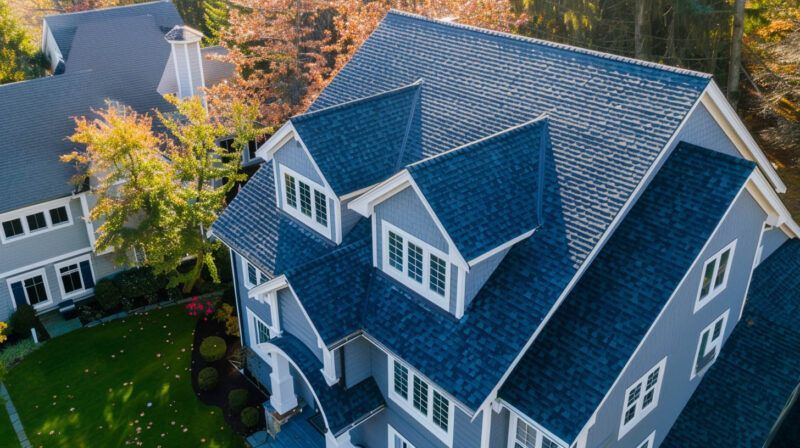
Aerial view of a large blue-gray house with dormer windows and a landscaped yard in autumn
By 180 Contractors May 14, 2026
Your roof works silently year after year, shielding your home from rain, wind, sun, and snow. But like every part of your home, it doesn’t last forever. The key is knowing when repair is no longer enough—and a full roof replacement is the smarter, safer move. For homeowners in Bloomfield Hills, MI, where intense season
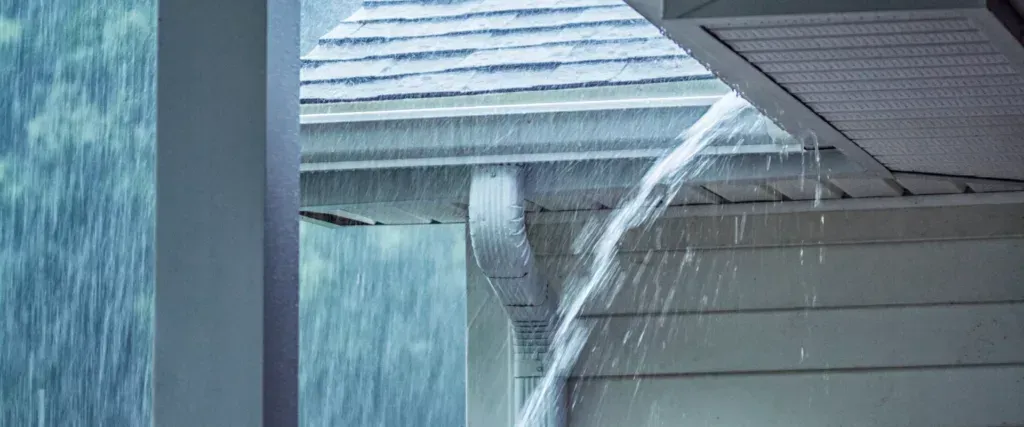
Rainwater pouring from a house roof and gutter during a storm
By 180 Contractors April 13, 2026
Michigan weather can be tough on homes, especially when it comes to your roof. From heavy snow in the winter to strong thunderstorms in the summer, each season brings conditions that can wear down roofing materials over time. Knowing how these storms affect your roof can help you catch problems early and avoid more ser