
Waterford Roofing Problems Unveiling Proactive Solutions for Lasting Protection

180 Contractors • July 10, 2026

Embarking on a new roof installation or replacement is a significant decision for any homeowner. It involves understanding the intricacies of cost estimation and navigating the available financing options to ensure the project aligns with financial capabilities and home improvement goals. This comprehensive guide delves into the meticulous process contractors use to estimate the cost of a new roof and the financing solutions available to homeowners, ensuring a well-informed decision-making process.


In-Depth Roof Inspection: The Foundation of Accurate Estimates

The journey to a new roof begins with a thorough inspection. Experienced roofing professionals conduct an exhaustive assessment of the roof’s current condition. This critical first step involves evaluating the roof’s age, identifying any existing damage, and understanding the cause of such issues. Contractors meticulously examine every component of the roof, including the covering, eaves, valleys, ridges, vents, flashing, and any rooftop equipment. This detailed inspection is crucial for gathering the necessary information to provide a precise estimate.


Precise Measurements and Material Selection

Following the inspection, contractors measure the roof to grasp the project’s scope fully. These measurements are essential for calculating the quantity of materials needed, ensuring an accurate cost estimate. The evaluation extends beyond the visible parts of the roof to include critical but often overlooked elements such as ice and water shields, underlayment, nails, flashing, vents, hip, and ridge caps. Each of these components plays a vital role in the roof’s overall performance and longevity, making their inclusion in the estimate essential for a comprehensive project overview.


Labor, Overhead, and Profit: The Business Side of Roofing

An accurate estimate also accounts for labor costs, equipment rentals, overhead expenses, and the contractor’s profit margin. This holistic approach ensures that every aspect of the roofing project, from the physical installation to the administrative and operational tasks, is considered. The result is a formal, written estimate that provides transparency and builds trust between the homeowner and the contractor.


Factors Influencing New Roof Costs

Several variables play a pivotal role in determining the final cost of a new roof. Understanding these factors can help homeowners make informed decisions about their roofing projects:


Roof Size

The size of the roof directly impacts the amount of materials and labor required, making it a significant factor in the overall cost. Larger roofs necessitate more materials and more man-hours to complete, increasing the project’s price.


Material Type and Quality

The choice of roofing materials is crucial, as it affects both the project’s cost and the roof’s longevity. High-quality materials, while more expensive upfront, can offer better durability and longer life spans, providing more value over time.


Roof Complexity

The complexity of a roof, including the number of valleys, hips, ridges, and the steepness of its pitch, can significantly affect installation difficulty. Complex roofs require more time and skill to install, increasing labor costs. Additionally, safety considerations for working on steep pitches may necessitate extra equipment, further impacting the project’s cost.


Disposal and Transportation Fees

The removal and disposal of the existing roof are often overlooked aspects of a roofing project that can influence the overall cost. The process is labor-intensive and requires proper handling of materials, contributing to the project’s expense.


Decking and Rafters Replacement

The condition of the roof’s decking and rafters is a critical consideration. If replacements or repairs are needed, this can add to the project’s cost. Identifying these needs early in the process allows for a more accurate estimate, while unexpected discoveries during the project can lead to additional charges.


Financing Your Roofing Project: Making It Accessible

Recognizing the substantial investment a new roof represents, many homeowners explore financing options to spread out the cost. Roofing contractors often collaborate with financing companies to offer competitive loan options, making the project more financially manageable. These partnerships enable homeowners to access flexible payment plans, ensuring they can proceed with their roofing projects without undue financial strain.


180 Contractors Roofing and Siding, based in Waterford, Mi, stands as a prime example of a roofing service provider dedicated to excellence. Our commitment to providing detailed estimates and accessible financing options underscores our dedication to customer satisfaction and value.


The Importance of Choosing the Right Contractor

Selecting a reputable and experienced roofing contractor is paramount. A trusted contractor not only provides accurate estimates and quality workmanship but also assists homeowners in navigating the financing options available. This partnership is crucial for achieving a successful roofing project that meets both quality and budgetary requirements.


Conclusion

The process of estimating the cost of a new roof and exploring financing options is complex, requiring careful consideration of various factors. From the initial roof inspection to the selection of materials and understanding the project’s labor and overhead costs, each step is vital for creating an accurate estimate. Financing options play a crucial role in making roof replacement projects accessible, allowing homeowners to invest in their property’s future without compromising financial stability. By partnering with a reputable contractor like 180 Contractors Roofing and Siding, homeowners can ensure a smooth, transparent, and value-driven roofing project.

GET A FREE QUOTE

Share this article

Recent Posts

By 180 Contractors July 14, 2026
A roof leak is more than just an inconvenience; it’s a breach in your home’s first line of defense against the elements. Identifying and addressing the source of a roof leak promptly can prevent further damage to your home. This guide delves into the ten most common roof leak locations, offering insights into detection and prevention strategies that ensure your home remains dry and secure. 1. Shingle Damage Shingles are the outermost layer of protection for many roofs. Over time, they can become damaged due to severe weather conditions, falling debris, or wear and tear. Cracked, missing, or curled shingles are clear indicators that water may infiltrate your home. Detection Tips: Regularly inspect your roof for shingle damage, especially after heavy storms. Look for signs of shingle granules in gutters; this can indicate advanced wear. 2. Improperly Sealed Valleys Valleys, where two roof planes meet, are prone to leaks if not sealed correctly. Water can seep through the gaps and into your home if the sealant deteriorates over time or if the initial installation was flawed. Prevention Strategies: Ensure valleys are properly sealed during installation and maintenance checks. Consider installing metal flashing for added durability and protection. 3. Roof Flashing Compromise Flashing, typically made of metal, is used to direct water away from critical areas of the roof, such as chimneys, vents, and where the roof meets a wall. If flashing is damaged or loosens, it can become a prime entry point for water. Maintenance Advice: Inspect flashing regularly for signs of rust, cracks, or separation. Replace damaged flashing immediately to prevent water damage. 4. Vent Boot Deterioration Vent boots, which seal the area around roof vents, can deteriorate over time, allowing water to enter the home. Cracked or worn vent boots are common sources of leaks. Inspection Tips: Check the rubber seals around vent boots for signs of wear or cracking. Replace any damaged vent boots as part of routine roof maintenance. 5. Skylight Leaks Skylights add natural light to your home but can be vulnerable to leaks if not installed correctly or if the seals around them fail. Leak Prevention: Ensure skylights are installed with proper flashing and sealing. Regularly check the seals for cracks or gaps and reseal as necessary. 6. Clogged Gutters Gutters play a crucial role in directing water away from your roof and home. When gutters are clogged with debris, water can back up and seep under the roof shingles, leading to a roof leak. Regular Maintenance: Clean gutters at least twice a year to prevent blockages. Consider gutter guards to reduce debris accumulation. 7. Chimney Wear and Tear The intersection of your chimney is a common location for a roof leak, especially if the chimney cap is damaged or the mortar between bricks has eroded. Chimney Care: Inspect the chimney cap and replace it if damaged. Repointing the chimney can prevent water from entering through eroded mortar. 8. Ice Dam Formation In colder climates, ice dams can form at the roof’s edge, preventing melting snow from draining off the roof. This can lead to water backing up under the shingles and into the home. Ice Dam Mitigation: Ensure your attic is well-insulated to prevent heat from escaping and melting snow unevenly. Install roof heating cables to prevent ice dam formation. 9. Attic Condensation A poorly ventilated attic can lead to condensation buildup, which may mimic a roof leak. This moisture can damage your roof structure and interior ceilings. Ventilation Solutions: Improve attic ventilation to allow moisture to escape. Insulate attic floors to prevent warm air from rising and condensing. 10. Age-Related Wear Over time, roofing materials can deteriorate, making your roof more susceptible to leaks. Regular inspections can identify potential problems before they lead to significant damage. Longevity Tips: Schedule professional roof inspections annually. Consider a roof replacement if your roof is beyond its expected lifespan and repairs are frequent. Partnering with Professionals: when You Have a Roof Leak For homeowners in Waterford, MI, facing persistent roof leak challenges, partnering with a reputable roofing contractor like 180 Contractors Roofing and Siding can provide peace of mind. Their expertise in identifying and repairing leak sources ensures your home remains protected against the elements. Conclusion Addressing your roof leak promptly and effectively requires an understanding of the most common leak locations and their prevention strategies. By staying vigilant and undertaking regular maintenance, homeowners can safeguard their homes against the potentially devastating effects of water damage.
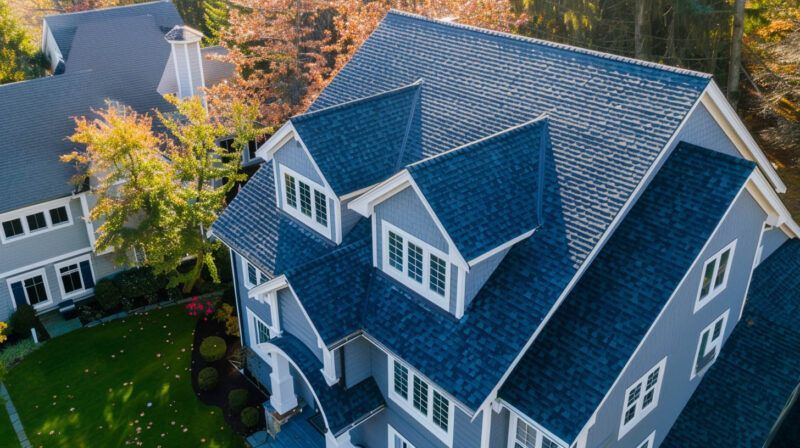
Aerial view of a large blue-gray house with dormer windows and a landscaped yard in autumn
By 180 Contractors May 14, 2026
Your roof works silently year after year, shielding your home from rain, wind, sun, and snow. But like every part of your home, it doesn’t last forever. The key is knowing when repair is no longer enough—and a full roof replacement is the smarter, safer move. For homeowners in Bloomfield Hills, MI, where intense season
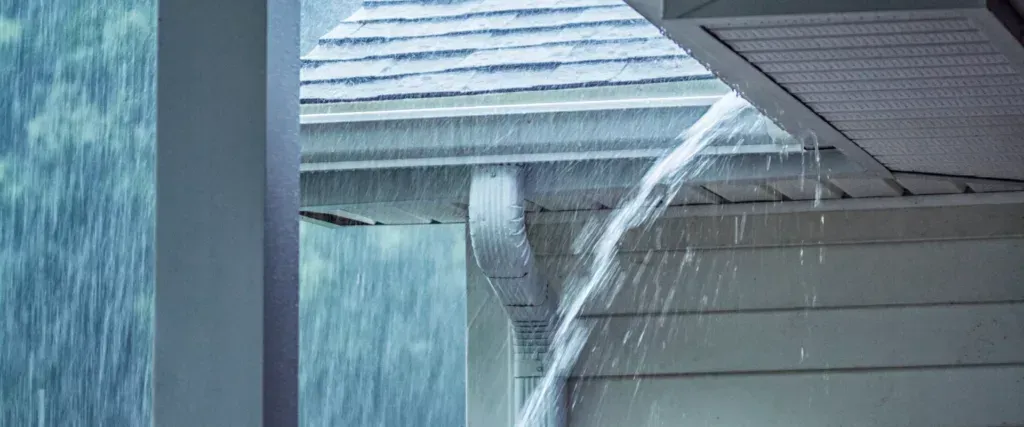
Rainwater pouring from a house roof and gutter during a storm
By 180 Contractors April 13, 2026
Michigan weather can be tough on homes, especially when it comes to your roof. From heavy snow in the winter to strong thunderstorms in the summer, each season brings conditions that can wear down roofing materials over time. Knowing how these storms affect your roof can help you catch problems early and avoid more ser