How to Effectively Waterproof Your Roof: Expert Guide for Long-Term Protection
When you’re getting a new roof or repairing an existing one, one of the most important documents you’ll encounter is the roofing estimate. Whether it’s for a small repair or a complete replacement, roofing estimates can be complex and filled with a lot of fine print. It’s easy to skim through the document or overlook important details, but doing so can lead to surprises later on—surprises that could cost you time, money, and headaches. Understanding the fine print on a roofing estimate is essential to ensuring you’re getting the right work done at the right price.
In this article, we’ll explore why it’s critical to thoroughly review a roofing estimate before signing anything. We’ll break down the different elements of an estimate, highlight what to look for, and give you actionable insights on how to protect yourself from hidden fees, miscommunication, and subpar work.
Key Elements of a Roofing Estimate
A roofing estimate is not just a price quote; it is a detailed outline of the roofing project. A well-prepared roofing estimate should list the scope of work, materials to be used, time frames, payment schedules, and warranties. Here’s a closer look at the major sections you’ll find in most roofing estimates.
1. Work Overview
The work overview section clearly defines the tasks the contractor will perform. This section should be as specific as possible, detailing all tasks involved in the project. For instance, will the contractor remove the old roofing materials? Will they inspect and replace any damaged decking? Will they install new flashing or skylights?
A vague scope of work can leave you vulnerable to disputes later on. You might think your estimate includes a full roof replacement, only to discover later that the contractor was only estimating the cost to repair a portion of your roof.
Action Tip: Ensure that all the details of your roofing project are outlined explicitly. If you’re unsure about any part of the scope, ask for clarification or a more detailed description.
2. Material Specifications
The materials section of a roofing estimate will tell you what types of roofing products will be used, such as asphalt shingles, metal roofing, or slate. It’s important to understand the specific brand, grade, and quality of materials that will be installed.
Some estimates might provide only a general category of material, such as “high-quality asphalt shingles,” while others will list the brand, color, style, and warranty information for the shingles. The material chosen significantly impacts the overall price and longevity of the roof, so don’t hesitate to ask for more details if you’re not familiar with the brand or quality of materials being used.
Action Tip: Verify the material specifications and ensure they meet your needs in terms of durability, aesthetics, and budget. If you’re not sure about the quality of the materials, consult with another contractor or roofing expert for a second opinion.
3. Project Timeline
A roofing estimate should include a clear timeline, detailing when the work will begin and when it is expected to be completed. Keep in mind that various factors, such as weather conditions, availability of materials, and the complexity of the project, can affect the timeline.
Make sure the estimate specifies how long the contractor expects the project to take and whether there are any conditions that might delay the work. Understanding the project timeline is crucial for planning and scheduling, especially if you need the work done by a specific date.
Action Tip: Get the estimated start and finish dates in writing, and confirm whether the contractor’s timeline is realistic based on their past work. If there are any delays, it’s essential to understand who will be responsible for the cost.
4. Payment Terms and Schedule
Understanding the payment terms is perhaps one of the most important aspects of reviewing a roofing estimate. A typical roofing payment schedule might involve a deposit upfront, with the remaining balance due upon completion of the work. Some contractors may require staged payments based on milestones or project completion.
Make sure the payment schedule is clearly outlined in the estimate, and ask about any potential additional costs that may arise during the project. For example, if the contractor encounters unforeseen issues, such as rotting decking or mold, will the price increase?
Action Tip: Never pay the full amount upfront. Be cautious if a contractor asks for a significant deposit or full payment before the work begins. A reputable contractor will offer a fair payment schedule based on the work completed.
5. Warranty Information
A roofing estimate should provide clear information about the warranties associated with both the materials and the labor. Many roofing materials come with a manufacturer’s warranty, but the installation itself should also be covered by a labor warranty.
Ensure the warranty information is specific, including the duration of coverage, what is covered (e.g., defects, installation errors), and what is excluded. Pay particular attention to whether the warranty is transferable if you sell your home.
Action Tip: Read through the warranty terms carefully to make sure it’s comprehensive and protects you against possible issues in the future. Ask the contractor for details about their workmanship warranty, as this can often be just as important as the material warranty.
Hidden Costs in Roofing Estimates
While roofing estimates should provide transparency about the costs involved, hidden fees can sometimes slip through the cracks. These additional costs are usually listed in the fine print, and if you’re not careful, you might miss them.
1. Disposal Fees
Many roofing contractors will include a disposal fee for removing old roofing materials. This fee might seem like a minor charge, but it can add up depending on the size of your roof and the disposal methods required. Make sure to ask if this is included in the estimate or if it will be an extra charge.
2. Permitting Fees
In some areas, local governments require permits for roofing work, which may come with their own set of fees. A reputable contractor should include these fees in the estimate, but not all do. Clarify whether any permits will be needed and whether they are included in the quoted price.
3. Additional Work or Upgrades
If additional work or upgrades are required during the roofing project, such as replacing damaged decking or installing a new ventilation system, these costs should be clearly spelled out in the estimate. Sometimes, contractors will propose upgrades or extra services once they are on the job, which could catch you off guard if you didn’t anticipate them in your initial budget.
4. Weather-Related Delays
Some roofing projects experience delays due to weather conditions, and these delays can sometimes result in additional costs. Contractors may charge for extended labor hours or additional materials needed because of these delays. While these charges are often necessary, it’s essential to know whether they’re likely to happen before agreeing to a final estimate.
Action Tip: Always ask the contractor if there are any additional fees that might arise during the project. Have them specify any potential extra costs, including disposal, permits, or upgrades, in the estimate.
The Importance of Contractual Clarity
Once you’ve reviewed the estimate thoroughly, the next step is signing the contract. The estimate should be transformed into a legally binding contract that holds both you and the contractor accountable. The contract should mirror the estimate’s terms and conditions, but with added legal protection for both parties.
Ensure the following are included in the roofing contract:
- Payment terms: These should match what’s stated in the estimate.
- Work schedule: Confirm that the project timeline is documented and agreed upon.
- Materials: The exact roofing materials and brands should be listed in the contract.
- Warranties: Both the manufacturer’s warranty and the contractor’s labor warranty should be included.
Action Tip: Never sign a contract until you’re satisfied that all the details match the estimate. If there are any discrepancies or missing information, have the contractor revise the contract before you sign.
Conclusion
Reading the fine print on a roofing estimate is crucial to making an informed decision about your roofing project. By understanding the scope of work, material specifications, payment terms, and hidden costs, you can avoid unpleasant surprises and ensure that your roof is completed to the highest standard.
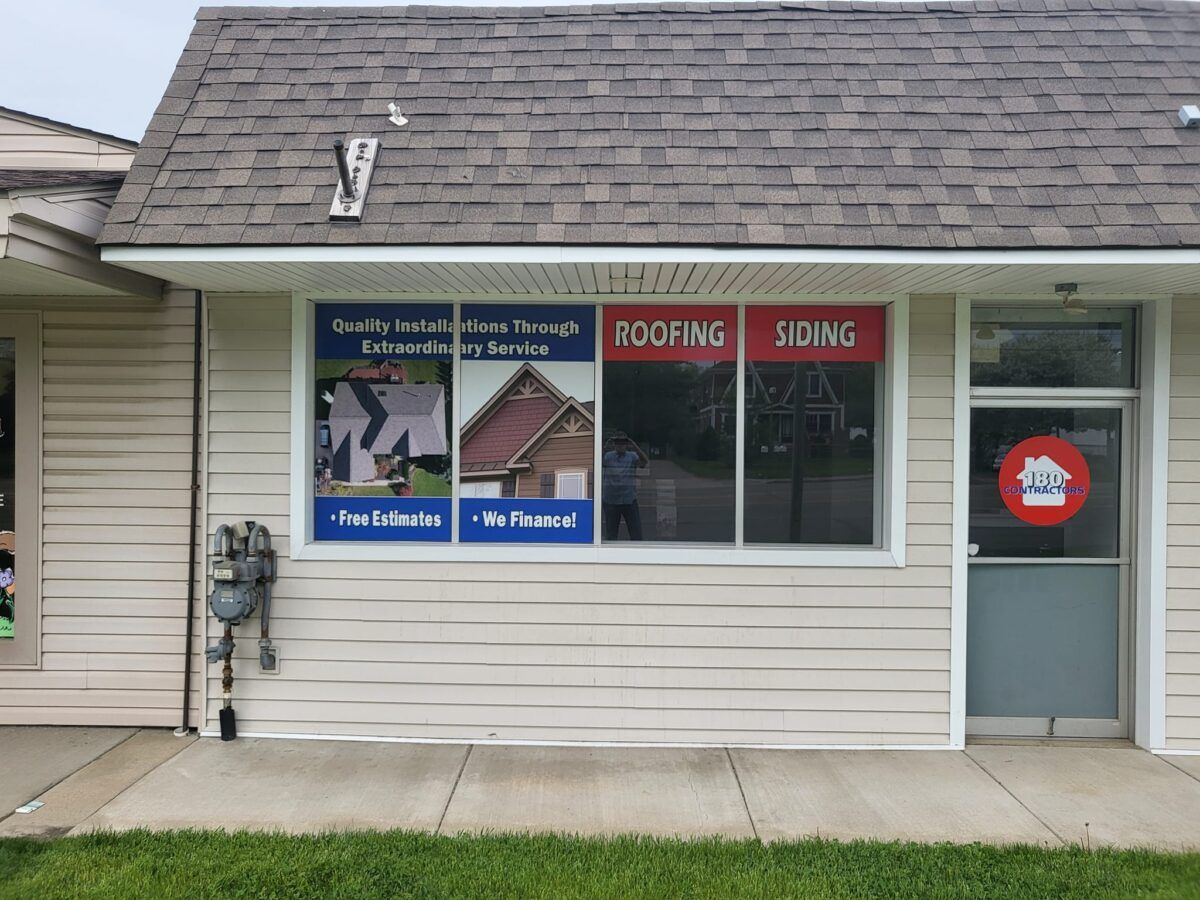
A comprehensive roofing estimate should protect you as a homeowner and provide clarity about the project from start to finish. Take the time to ask questions, request clarification, and ensure the contract aligns with your expectations. If you’re located in the Waterford, MI area and looking for a trusted roofing contractor, 180 Contractors Roofing and Siding offers comprehensive estimates and high-quality roofing services that can help you make informed decisions about your roof.
Always remember: a well-informed homeowner is a confident homeowner.
GET A FREE QUOTE
We will get back to you as soon as possible.
Please try again later.
Recent Posts