Essential Tips to Winterize Your Michigan Roof and Protect Your Home
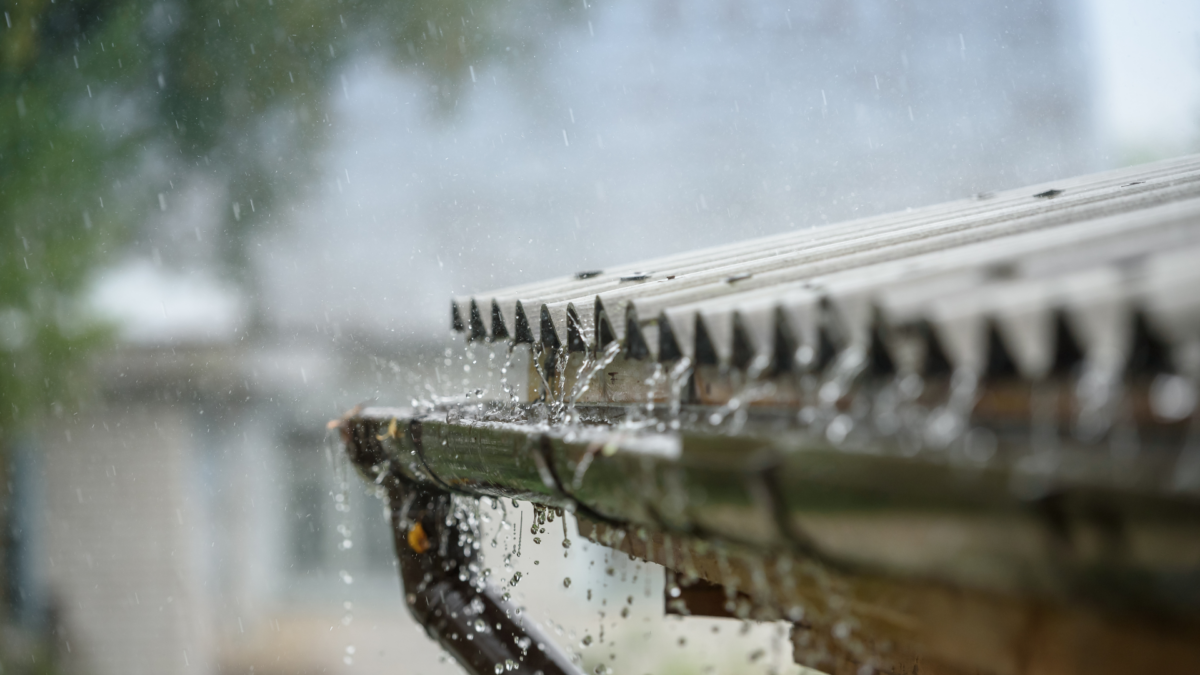
Waterproofing your roof is an essential task for homeowners and building managers looking to ensure their roof’s durability, prevent water damage, and enhance the overall lifespan of their property. When done correctly, making sure you waterproof your roof safeguards your home from leaks, mold, mildew, and extensive water damage that can lead to costly repairs. In this comprehensive guide, we’ll take you through the most effective methods of waterproofing your roof, step-by-step, so that you can achieve lasting protection from the elements.
Why it is Crucial for Homeowners to Waterproof Your Roof
Roof waterproofing is a critical maintenance task that every homeowner should consider, regardless of their roof’s age or material type. Roofs are constantly exposed to varying weather conditions such as rain, snow, sleet, and even extreme sunlight, all of which can wear down roofing materials over time. Without proper waterproofing, even a minor leak can lead to major structural damage, mold growth, and electrical hazards, not to mention a significant drop in the value of your home.
The Impact of Water Damage on Your Home
Water damage is one of the most destructive forces when it comes to the integrity of a building. Over time, water infiltration can compromise the structure of your roof and the interior of your home, causing:
- Rotting wood beams and other structural elements
- Mold and mildew growth, which can affect air quality and health
- Insulation damage, which compromises energy efficiency
- Staining of walls, ceilings, and furniture
Waterproofing your roof helps you avoid these problems and adds years to the life of your roof.
Steps to Waterproof your Roof
To waterproof your roof correctly involves a combination of selecting the right materials, applying proper coatings, and performing regular maintenance to keep your roof in top condition. Here’s a detailed, step-by-step guide for homeowners looking to waterproof your roof effectively.
1. Inspect the Roof Thoroughly
Before you can begin to waterproof your roof, you need to conduct a detailed inspection to assess the current condition of the roof. A thorough inspection helps identify areas that need attention, such as:
- Damaged or cracked shingles or tiles
- Clogged gutters and downspouts
- Loose or missing flashing
- Existing leaks or signs of water damage
Addressing any existing issues first is crucial because waterproofing over damaged areas will only create a temporary barrier, not a permanent solution.
Tools for Inspection:
- Ladder
- Flashlight
- Binoculars (for hard-to-reach areas)
- Roofing cement (for patching small holes or cracks)
- Roof sealant (to coat any compromised areas)
2. Clean the Roof Surface
For waterproofing products to adhere properly, the surface of the roof must be clean and free of debris. Sweep off dirt, leaves, moss, and any other particles that may hinder the coating from bonding to the roof.
- Use a broom or blower to clear debris.
- If moss or algae is present, consider using a biodegradable roof cleaner to eliminate it.
- Pay special attention to the gutter system and downspouts, as clogged gutters can lead to water overflow and damage the roof.
3. Repair Any Existing Damage
After cleaning the roof, proceed to repair any damage you noticed during your inspection. This could include:
- Replacing missing shingles or tiles
- Sealing cracks with roofing sealant
- Replacing damaged flashing around chimneys or vents
- Ensuring all seams are properly sealed
Small leaks and cracks should be patched immediately to prevent water from seeping through and causing further damage. If the roof is extensively damaged, it may be necessary to replace certain sections of the roof entirely.
4. Choose the Right Waterproofing Method
There are several waterproofing methods available for different types of roofs. The choice of method depends on factors such as the roof material, climate, and budget. Some of the most common waterproofing methods include:
a. Liquid Rubber Waterproofing
Liquid rubber is one of the most versatile and reliable waterproofing solutions available today. It is ideal for flat or low-slope roofs and provides a seamless, flexible layer that prevents water from penetrating the surface. Liquid rubber is applied using a brush, roller, or spray, and it cures into a durable membrane that expands and contracts with temperature changes.
b. Bitumen Waterproofing
Bitumen, or asphalt-based waterproofing, is another popular method for waterproofing both flat and sloped roofs. It is typically applied in layers and can be either torch-applied or self-adhesive. This method offers excellent protection against water damage but requires professional installation due to its complexity.
c. Membrane Systems
A membrane system, such as EPDM (ethylene propylene diene monomer) or TPO (thermoplastic olefin), provides a durable and long-lasting waterproof barrier. These systems are particularly well-suited for large commercial properties and flat roofs. They come in rolls that are adhered to the roof with adhesive or mechanical fasteners.
d. Roof Coatings
Roof coatings are applied as a thin layer over the existing roof and provide an excellent barrier against water. They are typically made from acrylic, silicone, or polyurethane. Roof coatings are best suited for low-slope roofs and work well for extending the life of an existing roof while providing waterproofing protection.
5. Apply the Waterproofing Solution
Once you’ve chosen the right waterproofing solution, it’s time to apply it. Follow the manufacturer’s instructions carefully to ensure proper application and optimal results. For liquid-based solutions, ensure even coverage over the entire roof surface. For bitumen and membrane systems, ensure that the seams are well sealed to avoid any water infiltration.
6. Maintain Your Waterproofed Roof
Proper maintenance is essential for keeping your roof waterproofed and in good condition. Over time, the waterproofing layers can wear down due to exposure to the elements, so it’s important to perform regular inspections and maintenance. This includes:
- Cleaning the roof at least once a year to remove debris and prevent moss and algae buildup
- Checking for any signs of wear such as cracks or peeling and applying additional coats as necessary
- Inspecting gutters and downspouts to ensure proper water drainage
Regular maintenance ensures that your roof remains protected and continues to perform optimally for many years.
7. Seek Professional Help for Large or Complex Roofs
If you have a large or complex roof structure, it’s often best to hire a professional roofer to handle the waterproofing process. Roofing experts, such as those at 180 Contractors Roofing and Siding, located in Waterford, MI, can help you select the most suitable waterproofing solution for your roof type and climate. They also have the experience and tools necessary to carry out the job efficiently and safely.
Signs That You Need to Waterproof Your Roof
While it’s important to waterproof your roof proactively, there are also signs that indicate you may need to waterproof your roof sooner than expected. These signs include:
- Visible leaks in the attic or ceilings
- Pooling water or puddles on the roof after rain
- Cracked, curling, or missing shingles
- Water stains inside the home
- Sagging roof structure
Addressing these issues as soon as they appear can prevent further damage and reduce repair costs in the long run.
Conclusion
To Waterproof your roof is a smart and necessary investment for homeowners who want to protect their property from water damage. By following the steps outlined in this guide—inspecting, cleaning, repairing, and applying the right waterproofing solution—you can ensure that your roof remains watertight for many years to come. Whether you choose a liquid rubber solution, bitumen membrane, or roof coating, proper waterproofing not only extends the life of your roof but also keeps your home safe and dry.
GET A FREE QUOTE
We will get back to you as soon as possible.
Please try again later.
Recent Posts