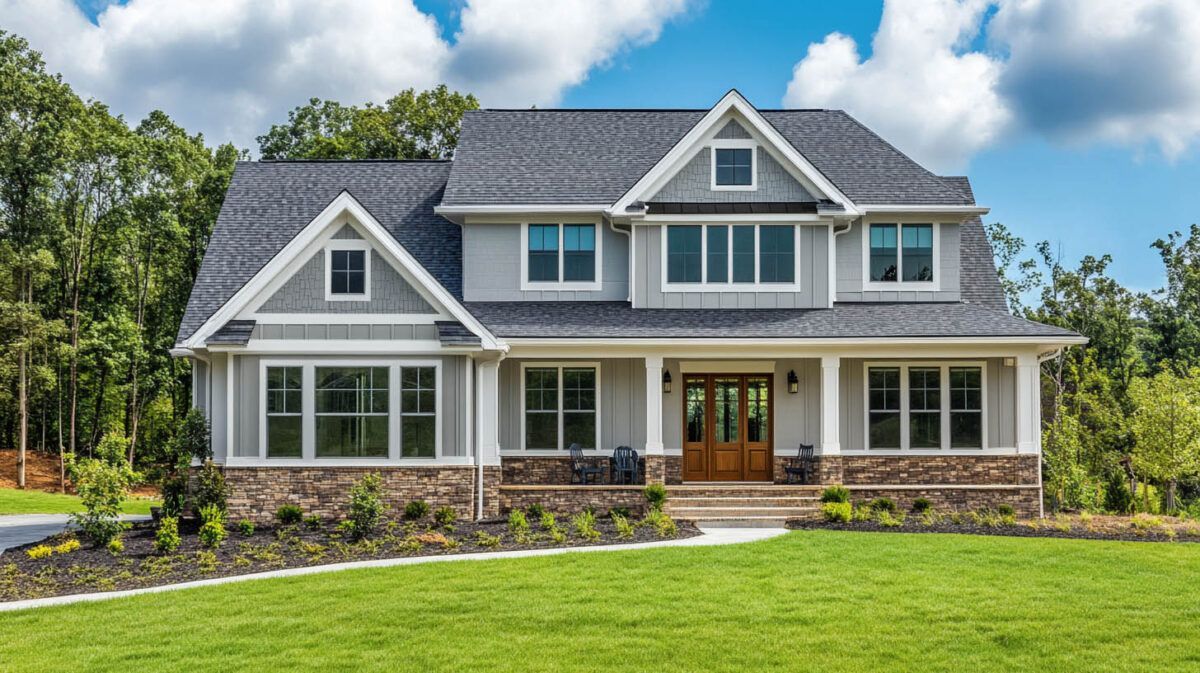
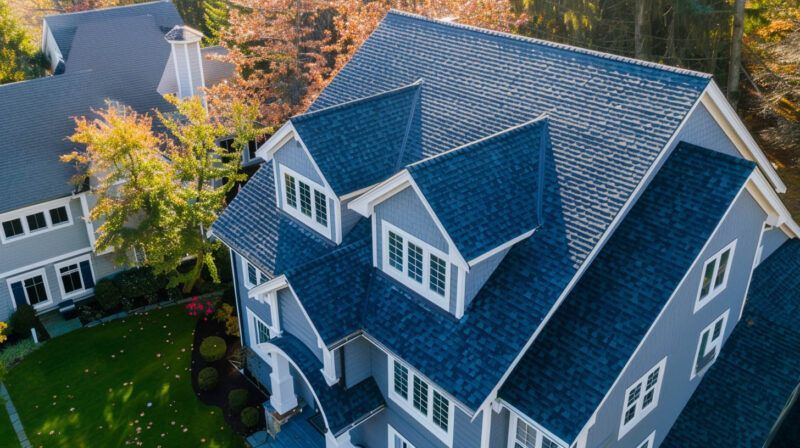
Choosing the right siding for your home is one of the most critical decisions for both aesthetics and long-term protection. With various siding materials available, homeowners must consider durability, maintenance, cost, and energy efficiency. Among the options, James Hardie fiber cement siding stands out as a market leader, but how does it compare to vinyl, wood, and brick siding?
This comprehensive guide examines James Hardie siding versus other popular siding materials, helping you make an informed decision for your home’s exterior.
What Is James Hardie Siding?
James Hardie siding is a fiber cement material made from a mixture of cement, sand, water, and cellulose fibers. This composition makes it highly durable and resistant to environmental factors like moisture, fire, and pests. It has gained popularity due to its longevity, low maintenance, and versatile design options. But how does it compare to other materials?
James Hardie Siding vs. Vinyl Siding
Durability and Lifespan
- James Hardie:
Engineered to withstand harsh weather, it does not crack, warp, or fade over time. Its lifespan exceeds 30 years when properly maintained.
- Vinyl Siding: Although inexpensive, vinyl is prone to cracking, warping, and fading over time, especially in extreme climates. Most vinyl siding lasts 15–20 years before requiring replacement.
Weather Resistance
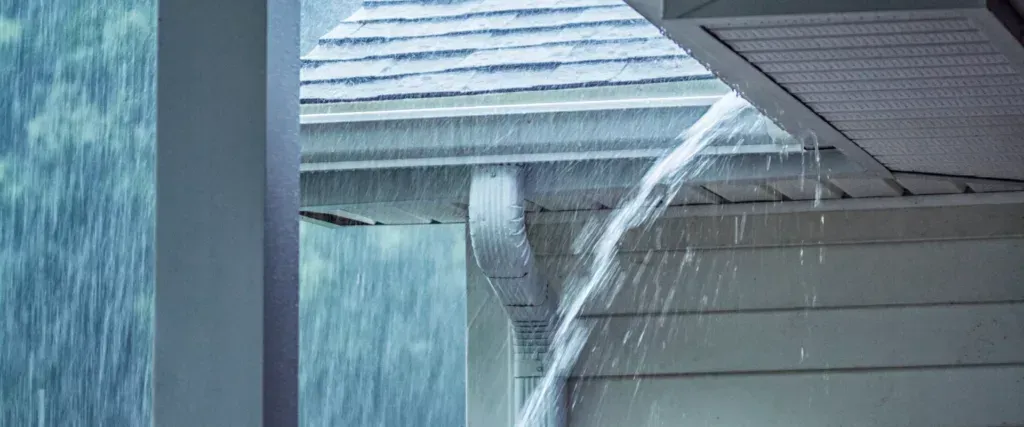
- James Hardie: Withstands hurricane-force winds, freezing temperatures, and prolonged sun exposure without damage.
- Vinyl Siding: Can melt in high heat, crack in cold weather, and be blown off in storms.
Maintenance Requirements
- James Hardie: Requires only occasional cleaning with water and mild soap.
- Vinyl Siding: Can accumulate mildew and mold, requiring frequent pressure washing.
Cost Consideration
- James Hardie:
Higher upfront cost but lower long-term maintenance expenses.
- Vinyl Siding:
Lower installation cost but frequent repairs and replacements increase long-term costs.
James Hardie Siding vs. Wood Siding
Aesthetic Appeal
- James Hardie: Offers wood-like textures without the maintenance issues. Available in various colors and styles.
- Wood Siding: Natural and warm appearance but requires frequent staining or painting.
Durability and Pests
- James Hardie: Resistant to rot, termites, and moisture.
- Wood Siding:
Susceptible to rot, termites, and moisture damage.
Fire Resistance
- James Hardie: Non-combustible and fire-resistant.
- Wood Siding: Highly flammable, increasing fire risks.
Longevity and Maintenance
- James Hardie: Lasts 30+ years with little maintenance.
- Wood Siding: Requires frequent repainting and sealing, lasting 20–30 years with proper care.
James Hardie Siding vs. Brick Siding
Durability and Longevity
- James Hardie:
Lasts decades with minimal maintenance.
- Brick Siding:
One of the most durable options, lasting over 50 years.
Energy Efficiency
- James Hardie:
Provides moderate insulation and pairs well with energy-efficient home designs.
- Brick Siding: Offers exceptional thermal mass, helping regulate indoor temperatures.
Cost and Installation
- James Hardie: More affordable than brick and easier to install.
- Brick Siding:
Expensive and labor-intensive to install.
Why Homeowners Choose James Hardie Siding
- Unmatched Durability
– Resists fire, moisture, pests, and harsh weather conditions.
- Minimal Maintenance – No painting, sealing, or extensive cleaning needed.
- Customizable Aesthetic – Available in a variety of textures and colors.
- Eco-Friendly –
Sustainable production and recyclable materials.
Our Expertise in Siding Installation
At 180 Contractors Roofing & Siding, we specialize in high-quality siding installations, ensuring durability, beauty, and energy efficiency for your home in Troy, MI. Our certifications include:
- BBB A+ Accredited
- Guildmaster (GuildQuality)
- INC 5000
- Google Guaranteed
- Qualified Remodeler Top 100 Satisfaction
We partner with top brands, including James Hardie, Alside, and Everlast, to offer superior siding solutions tailored to your needs.
Conclusion
James Hardie fiber cement siding outperforms vinyl, wood, and even brick in key areas such as durability, maintenance, fire resistance, and aesthetics. While it may require a higher initial investment, its long lifespan and low upkeep make it the best long-term siding choice for homeowners seeking reliability and style.
Frequently Asked Questions
1. Is James Hardie siding worth the cost?
Yes, while James Hardie siding has a higher upfront cost, its long lifespan, durability, and low maintenance make it a cost-effective investment.
2. Does James Hardie siding increase home value?
Yes, homes with James Hardie siding often see higher resale values due to its longevity and aesthetic appeal.
3. How does fiber cement siding compare to traditional wood?
Fiber cement mimics wood’s natural appearance but outperforms wood in durability, pest resistance, and fire safety.
4. How often does James Hardie siding need to be painted?
It typically lasts 15+ years before needing repainting, thanks to its factory-applied baked-on finish.
5. Can James Hardie siding be installed in any climate?
Yes, James Hardie siding is engineered for all climates, from hot and humid to freezing and snowy environments.
Read also our blog:
Key Benefits of James Hardie Siding for Homes in Oakland County