Understanding the Function of Roofing Materials
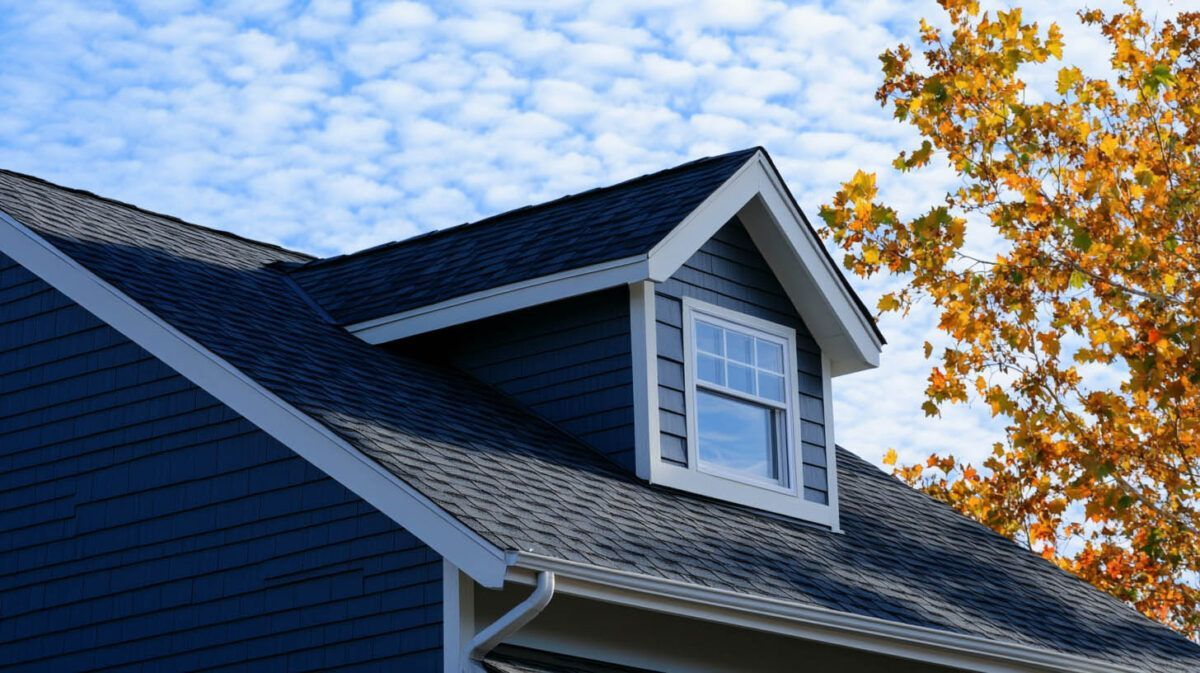
Roofing materials are specifically designed to protect a structure from external elements, including rain, snow, wind, and temperature fluctuations. Unlike siding, which primarily serves as an aesthetic and protective exterior wall covering, roofing materials must provide superior waterproofing, structural integrity, and long-term durability.
Siding materials such as vinyl, fiber cement, and wood are not engineered to withstand the constant exposure to harsh weather conditions that a roof endures. Using siding instead of roofing materials on a pitched roof can lead to structural failure, water infiltration, and costly repairs.
Key Differences Between Roofing Materials and Siding
1. Waterproofing and Drainage Capabilities
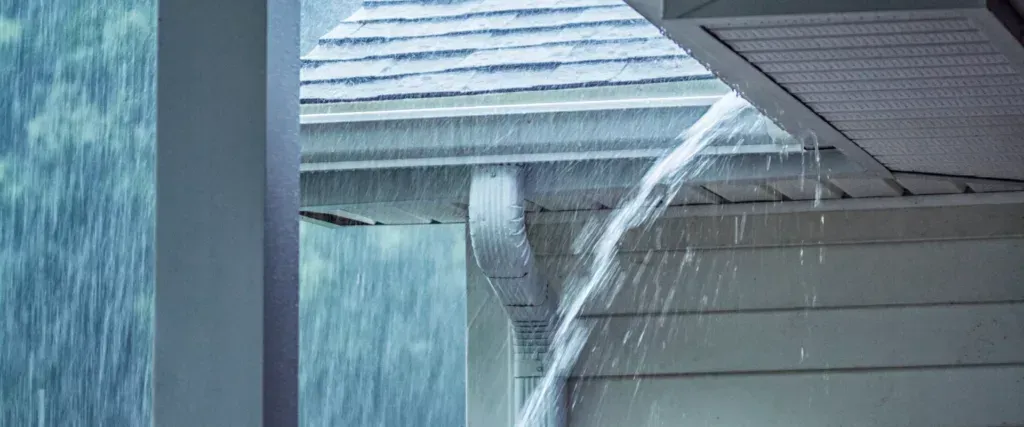
Roofs are designed with overlapping materials to facilitate water runoff. Roofing shingles, metal panels, and tiles are engineered with interlocking or overlapping designs that prevent water from seeping underneath.
Siding, on the other hand, is designed to protect vertical surfaces from wind-driven rain but does not offer the same degree of waterproofing. Installing siding on a pitched roof would allow water to collect and infiltrate the structure, leading to leaks and interior damage.
2. Structural Strength and Durability
Roofing materials must endure constant exposure to sun, rain, ice, and high winds without deteriorating. Asphalt shingles, for example, contain a protective granule layer that resists UV rays and prevents premature aging. Metal roofs are coated with weather-resistant finishes that prevent corrosion.
Siding is significantly thinner and lacks the reinforced layers required to sustain the stress of being on a roof. Over time, exposure to the elements would cause warping, cracking, and failure, making siding an unsuitable substitute for roofing materials.
3. Load-Bearing Considerations
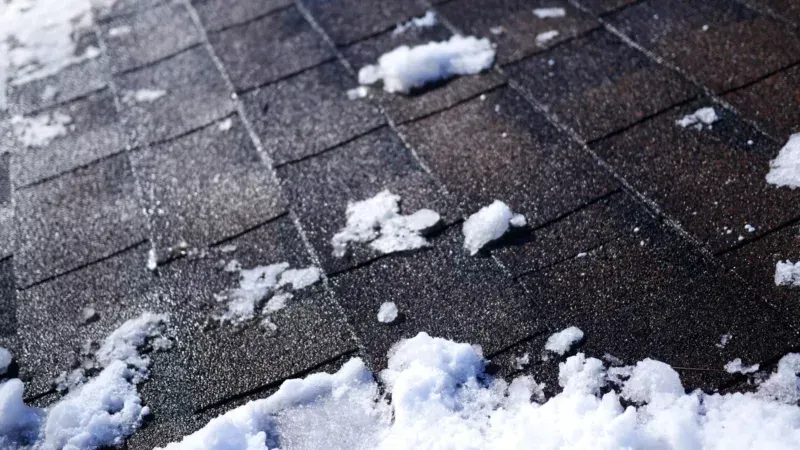
Roofs must support the weight of roofing materials, insulation, and additional loads such as snow and ice accumulation. Roofing materials are engineered to distribute weight evenly, ensuring structural stability.
Siding is lightweight and designed for vertical installation. When placed on a pitched surface, it lacks the necessary structural integrity to withstand downward force, increasing the risk of detachment and damage.
Challenges of Using Siding on a Pitched Roof
1. Inadequate Water Shedding
Unlike roofing materials, siding panels are not designed to channel water effectively. When installed on a roof with a normal pitch, siding would allow water to seep through gaps, leading to leaks, mold growth, and compromised structural components.
2. Reduced Lifespan
Roofing materials are built to last 20 to 50 years, depending on the type used. Siding, however, has a different lifespan and degradation process when exposed to direct rainfall, heavy snowfall, and extreme sun exposure. Using siding on a pitched roof would drastically reduce its lifespan and lead to premature failure.
3. Warranty and Building Code Violations
Roofing manufacturers provide warranties based on proper installation methods. Using siding in place of roofing materials would void manufacturer warranties, leaving homeowners without coverage for repairs or replacements.
Additionally, most local building codes specify approved materials for roofing applications. Installing siding on a roof could result in code violations, failed inspections, and potential fines.
Alternative Decorative Roofing Solutions
If aesthetics are a concern, there are several roofing options available that provide both durability and a decorative appearance:
1. Architectural Asphalt Shingles
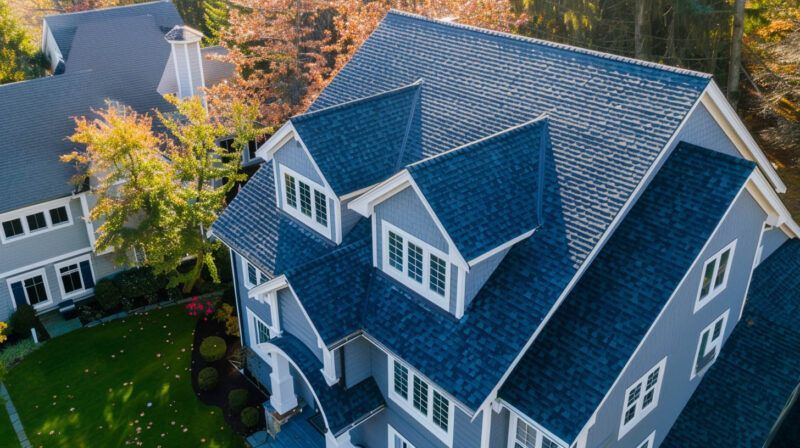
Modern asphalt shingles come in various styles, including architectural and designer shingles that mimic the look of wood shakes or slate. These shingles provide durability, weather resistance, and visual appeal.
2. Metal Roofing with Textured Finishes
Metal roofing is available in a variety of textures and colors, including metal shakes, tiles, and standing seam panels. Textured finishes provide a high-end appearance while maintaining the strength and longevity of traditional metal roofing.
3. Composite Roofing Shingles
Composite shingles are engineered to resemble wood, slate, or clay tiles while offering superior durability and impact resistance. These shingles provide a decorative appearance without compromising on protection.
4. Clay or Concrete Tiles
For a distinctive look, clay or concrete tiles offer a decorative yet durable roofing solution. They are ideal for homes with Mediterranean, Spanish, or Southwest architectural styles.
5. Synthetic Cedar Shake Roofing
If the goal is to achieve a natural wood shake aesthetic without the maintenance concerns, synthetic cedar shakes are an excellent option. These roofing materials replicate the appearance of real wood while providing enhanced resistance to moisture, fire, and insects.
Professional Roofing Solutions for Long-Lasting Performance
Selecting the right roofing material is essential for maintaining the integrity and longevity of a home. Proper installation, quality materials, and expert craftsmanship ensure that a roof remains structurally sound and visually appealing.
180 Contractors Roofing & Siding, located in Troy, MI, provides expert roofing and siding solutions using industry-leading brands such as James Hardie, Alside, and Everlast. With prestigious certifications, including BBB A+ accreditation, Guildmaster (GuildQuality), INC 5000, Google Guaranteed, and Qualified Remodeler Top 100 Satisfaction, homeowners can trust in exceptional service and high-quality materials for their roofing and siding needs.
Conclusion
Using siding on a pitched roof instead of traditional roofing materials is not recommended due to inadequate water resistance, structural limitations, and reduced durability. Roofing materials are specifically engineered to protect against harsh weather conditions, ensuring long-term performance and safety. For homeowners seeking a more decorative roof appearance, there are numerous high-quality roofing options available that provide both aesthetics and functionality. Consulting a professional roofing contractor ensures the best materials and installation practices for a durable and visually appealing roof.
Frequently Asked Questions (FAQs)
1. Can vinyl siding be used on a roof?
No. Vinyl siding is not designed for roof installation and lacks the waterproofing, strength, and structural stability needed for roofing applications.
2. What happens if siding is installed on a pitched roof?
Using siding on a pitched roof can result in water infiltration, structural damage, and premature failure due to its inability to shed water effectively.
3. What are the best alternatives to plain metal roofing?
Architectural asphalt shingles, textured metal roofing, composite shingles, clay tiles, and synthetic cedar shakes are excellent decorative alternatives to plain metal roofing.
4. Will installing siding on a roof void warranties?
Yes. Most manufacturers’ warranties specify approved materials and installation methods. Installing siding on a roof would void coverage and may lead to code violations.
5. How can I make my roof look more decorative?
Opting for textured metal, architectural shingles, or composite roofing materials can enhance aesthetics while maintaining structural integrity and weather resistance.
Read also our blog:
How Siding Enhances Your Home’s Energy Efficiency