Choosing the right siding for your home is a crucial decision that affects not only aesthetics but also durability, maintenance, and cost. Among the many options available, brick and metal siding (including aluminum and steel) are two of the most popular choices. Each material comes with unique advantages and challenges, making it essential to evaluate them based on key factors such as installation cost, performance, visual appeal, and upkeep.
Installation Costs and Labor Considerations
The cost of installing siding depends on several factors, including material price, labor fees, and preparation work. Brick siding is typically more expensive to install due to its labor-intensive process. Masons carefully lay each brick, requiring significant time and expertise. The cost of materials also adds up, as a large number of bricks are needed to cover an entire home’s exterior.
Metal siding, on the other hand, is more budget-friendly. Sheets of aluminum or steel can be quickly installed, reducing labor expenses. Pre-fabricated panels can further streamline the installation process, making it a cost-effective choice for homeowners looking to minimize upfront expenses.
Performance and Durability: How Do They Compare?
Both brick and metal siding offer impressive durability, but their long-term performance varies depending on climate and maintenance.
Brick Siding Durability
- Brick is highly resistant to fire, pests, and extreme weather conditions.
- It provides excellent insulation, helping to regulate indoor temperatures.
- Unlike other materials, brick does not rot or warp over time.
- However, the mortar between bricks may require repointing over the years.
Metal Siding Durability
- Metal siding, especially steel, is resistant to fire and pests.
- Aluminum siding is rust-resistant, making it ideal for coastal areas.
- However, metal can dent or warp from impacts, such as hail or debris.
- Over time, exposure to moisture can lead to corrosion if not properly maintained.
While both materials are durable, brick tends to have a longer lifespan and withstands harsh conditions better with minimal maintenance.
Aesthetic Appeal: Which One Looks Better?
The visual impact of your siding choice can significantly influence your home’s curb appeal and resale value.
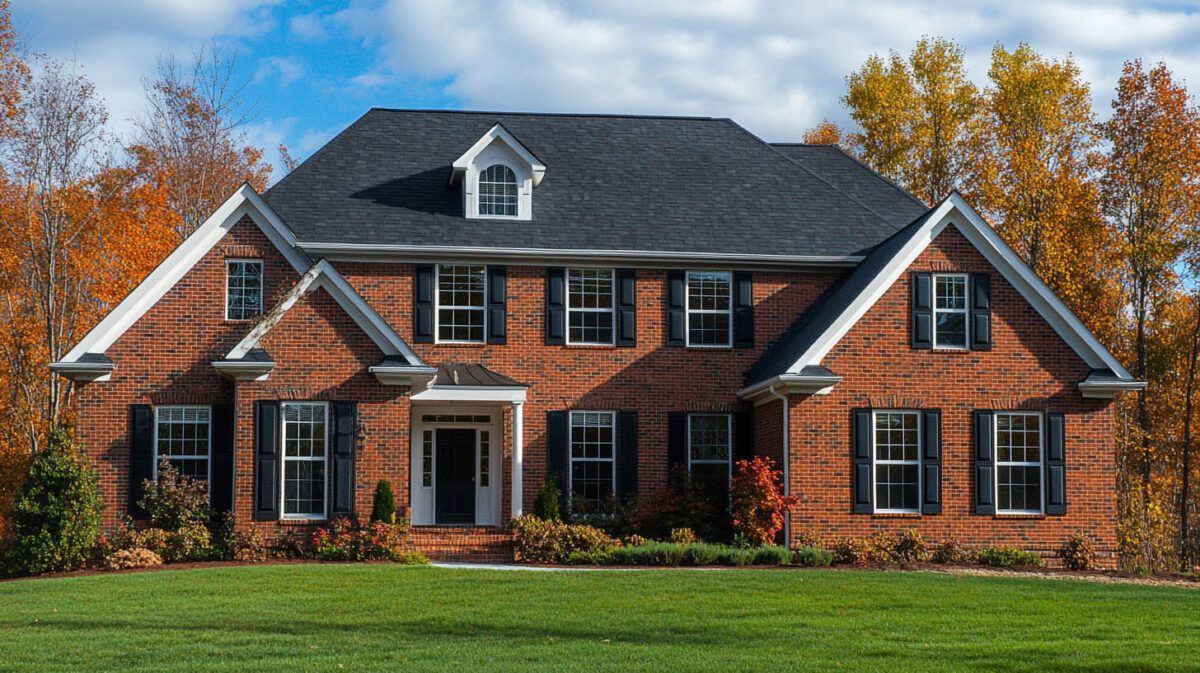
Brick Siding Aesthetic Qualities
- Timeless and elegant, brick enhances a home’s character and charm.
- Available in various colors and textures, from classic red to earthy tones.
- Offers a traditional and upscale appearance that appeals to many homeowners.
- Works well with other materials, allowing for mixed-siding designs.
Metal Siding Aesthetic Qualities
- Provides a sleek, modern look that suits contemporary and industrial-style homes.
- Available in various finishes, including smooth, corrugated, and woodgrain textures.
- Can be painted or coated for a customized appearance.
- Works well for minimalist and energy-efficient home designs.
While brick is often associated with classic, high-end homes, metal siding offers versatility and a more contemporary appeal.
Maintenance Requirements: Which One Is Easier to Care For?
Brick Siding Maintenance
- Requires minimal upkeep; occasional cleaning with a power washer is sufficient.
- Mortar joints may need repairs every few decades.
- Resistant to fading, meaning no need for frequent painting or refinishing.
Metal Siding Maintenance
- Requires periodic cleaning to prevent dirt buildup.
- May need repainting or refinishing over time to maintain its appearance.
- Should be inspected for dents, rust, or corrosion, particularly in humid climates.
Both materials are relatively low maintenance, but brick requires fewer touch-ups over time.
Energy Efficiency and Insulation Properties
Energy efficiency is a key consideration when choosing siding, as it impacts heating and cooling costs.
- Brick:
Naturally insulating, helping to maintain indoor temperatures and reduce energy bills.
- Metal:
Conducts heat and cold more than brick, which may lead to higher energy consumption if not paired with proper insulation.
For homeowners looking for an energy-efficient solution, brick siding has a clear advantage.
Environmental Impact: Which Is More Sustainable?
Sustainability is an important factor in modern construction, and both brick and metal siding have eco-friendly benefits.
- Brick: Made from natural clay, brick is highly sustainable and recyclable.
- Metal:
Often made from recycled materials and is fully recyclable at the end of its life cycle.
Both options are environmentally friendly, but brick’s natural composition makes it a more traditional green choice.
Challenges and Potential Drawbacks
Every siding material has drawbacks, and it’s important to consider these before making a decision.
Brick Siding Challenges
- Higher initial cost compared to metal.
- Requires a strong foundation due to its heavy weight.
- Not easily modified once installed.
Metal Siding Challenges
- Can dent or scratch more easily than brick.
- Less insulating, requiring additional materials for energy efficiency.
- Some types may rust over time without proper maintenance.
Which Siding Is Right for Your Home?
The decision between brick and metal siding depends on your priorities. If longevity, energy efficiency, and timeless aesthetics are most important, brick is an excellent choice. If you prefer a modern look, lower initial costs, and easy installation, metal siding may be the better option.
At 180 Contractors Roofing & Siding in Rochester Hills, MI, we specialize in high-quality siding installation, ensuring that your home’s exterior is not only beautiful but also durable and energy-efficient. Our commitment to excellence has earned us recognition, including BBB A+ accreditation, Guildmaster (GuildQuality), INC 5000, Google Guaranteed, and Qualified Remodeler Top 100 Satisfaction. We work with leading brands such as James Hardie, Alside, and Everlast, guaranteeing top-tier materials and expert craftsmanship.
Frequently Asked Questions (FAQs)
1. Is brick siding more expensive than metal siding?
Yes, brick siding typically costs more due to the materials and labor involved in installation. However, its durability and low maintenance can make it a cost-effective choice in the long run.
2. Does metal siding require a lot of maintenance?
Metal siding is relatively low maintenance but may require occasional repainting, cleaning, and inspection for dents or rust.
3. How long does brick siding last compared to metal siding?
Brick siding can last over 100 years with minimal upkeep, while metal siding generally lasts 40 to 70 years, depending on the material and maintenance.
4. Can metal siding be painted?
Yes, metal siding can be painted to change its appearance or refresh faded colors. It’s recommended to use a high-quality exterior paint designed for metal surfaces.
5. Which siding option is best for energy efficiency?
Brick provides better natural insulation than metal, making it the more energy-efficient choice. However, properly insulated metal siding can also offer good thermal performance.
Conclusion
Both brick and metal siding have their own set of advantages, and the best choice depends on your budget, aesthetic preferences, and maintenance expectations. Brick is a premium option that offers longevity, insulation, and classic appeal, while metal siding provides affordability, modern aesthetics, and easy installation. Whichever option you choose, investing in high-quality materials and professional installation will ensure long-term satisfaction and value for your home.
Read also our blog:
Can Siding Be Used on a Roof with a Normal Pitch?