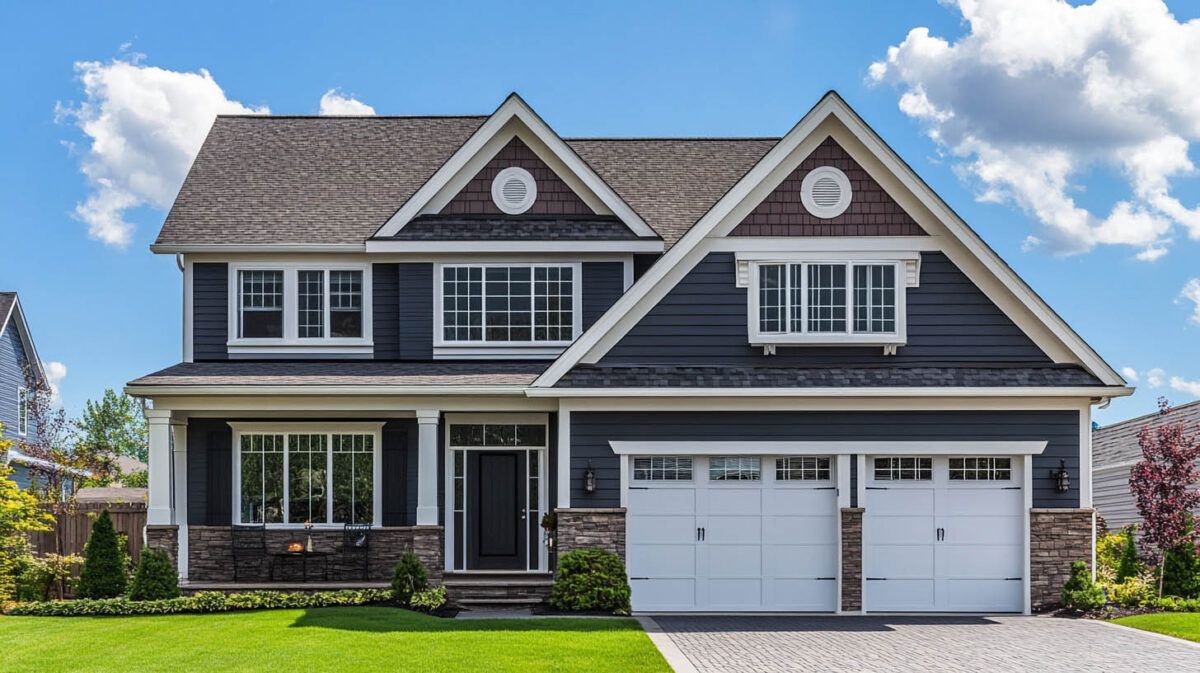
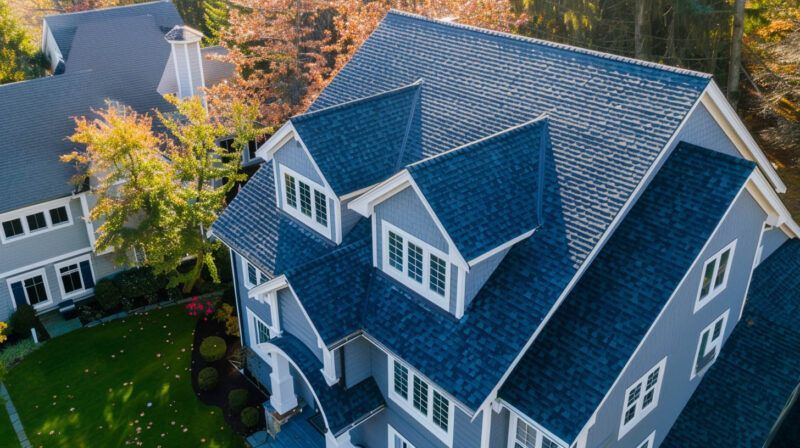
Upgrading your home’s exterior is a significant investment, and homeowners often wonder whether they can install new siding over existing materials. While this approach may save time and money, it is crucial to assess whether it is the best option for your home. Various factors, including the condition of your current siding, structural integrity, and material compatibility, must be carefully evaluated before making a decision.
Factors to Consider Before Installing New Siding Over Existing Siding
1. Condition of the Existing Siding
The state of your current siding is the most important factor in determining whether it can be covered. If your siding is in good shape—meaning no warping, rot, or moisture damage—it may be possible to install new siding over it. However, if there are underlying issues, simply covering them up could lead to costly repairs in the future. A professional inspection can help identify potential risks.
2. Moisture and Ventilation Concerns
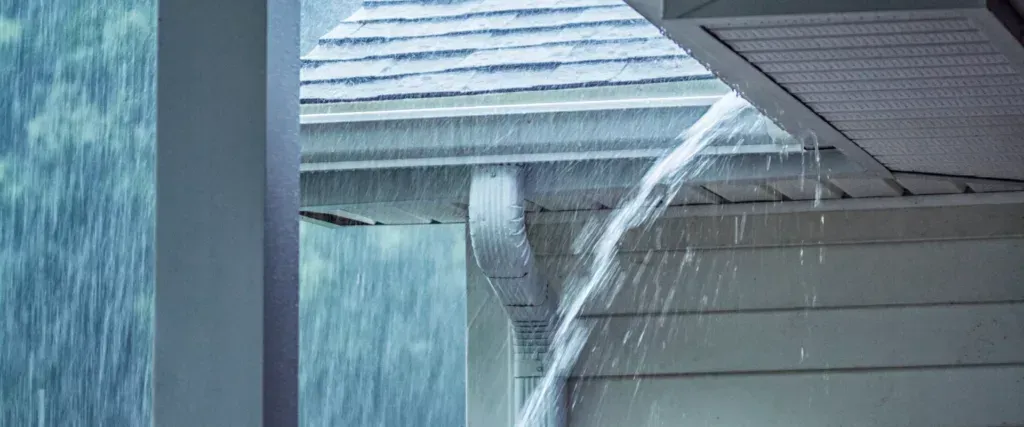
Covering old siding without addressing moisture issues can lead to trapped water, mold growth, and structural damage. Proper ventilation is crucial to prevent moisture buildup, and installing a weather-resistant barrier between the layers can help mitigate risks.
3. Additional Weight on the Structure
Not all homes can support the extra weight of an additional siding layer. Some materials, such as wood or fiber cement, are significantly heavier than vinyl and may not be suitable for layering. Consulting a siding expert can help determine if your home’s structure can handle the added weight.
4. Insulation and Energy Efficiency
One benefit of installing new siding over old siding is the potential to add an extra layer of insulation, improving your home’s energy efficiency. Many homeowners opt for insulated vinyl siding to enhance thermal performance, reducing heating and cooling costs.
5. Aesthetic Considerations
The existing siding’s texture and design may affect the final look of the new installation. If the original siding is uneven or features protruding elements, it could impact the smoothness and appearance of the new layer. Proper preparation, such as using furring strips, may be necessary to ensure a professional finish.
When Should Old Siding Be Removed?
While covering old siding can be a viable option, there are situations where removal is strongly recommended:
- Presence of Rot or Mold: If your existing siding has rot, mold, or pest damage, it must be removed to prevent further deterioration.
- Structural Damage:
Cracked or weakened siding can compromise the integrity of your home and should be replaced rather than covered.
- Multiple Existing Layers: Building codes in some areas restrict the number of siding layers that can be applied. Exceeding these limits may result in code violations.
- Material Incompatibility: Certain types of siding, such as stucco or brick, do not provide a suitable base for new siding installation and must be removed.
Best Siding Options for Installing Over Existing Siding
If your home is a good candidate for siding installation over existing materials, selecting the right siding type is essential.
1. Vinyl Siding
Vinyl is one of the most popular choices for re-siding a home because it is lightweight, cost-effective, and available in various colors and styles. It is also resistant to moisture and easy to maintain.
2. Insulated Vinyl Siding
For homeowners looking to improve energy efficiency, insulated vinyl siding provides additional thermal resistance. This option can help reduce utility bills by preventing heat loss in winter and keeping interiors cooler in summer.
3. Fiber Cement Siding
Although heavier than vinyl, fiber cement siding offers exceptional durability and weather resistance. It is fire-resistant and can mimic the appearance of wood without the maintenance concerns.
4. Engineered Wood Siding
Engineered wood siding is an attractive alternative that combines the beauty of natural wood with enhanced durability. It is treated to resist moisture, pests, and rot, making it a long-lasting option for homes.
Step-by-Step Guide to Installing New Siding Over Existing Siding
If your home is in good condition and re-siding is a viable option, here is a general process for installation:
- Inspect and Prepare the Existing Siding – Ensure the current siding is free from damage and securely attached. Any loose or warped panels should be repaired.
- Install a Weather Barrier – A moisture-resistant house wrap or foam insulation board can be applied to enhance insulation and protect against water infiltration.
- Apply Furring Strips (if needed) – To create a smooth and even surface, furring strips may be used, especially if the existing siding has an uneven texture.
- Attach the New Siding – Following manufacturer guidelines, install the new siding, starting from the bottom and working upward, ensuring proper alignment and secure fastening.
- Finish with Trim and Sealing – Install trim pieces around doors, windows, and corners, and apply caulking as needed to prevent water infiltration.
Advantages and Disadvantages of Covering Existing Siding
Pros
- Cost Savings:
Eliminating the need for siding removal reduces labor costs and project duration.
Added Insulation: Additional layers can improve energy efficiency and noise reduction.
Minimal Disruption:
Since the original siding remains intact, the process is less invasive.
Cons
- Potential for Hidden Issues:
Structural problems may remain unnoticed and worsen over time.
Increased Wall Thickness:
Extra layers may affect window and door clearances.
Limited Material Choices:
Not all siding materials are suitable for re-siding applications.
Expert Siding Installation with 180 Contractors Roofing & Siding
For homeowners in Waterford, MI, choosing the right siding contractor is essential to ensure a durable and high-quality installation. 180 Contractors Roofing & Siding offers expert services backed by industry-leading certifications, including BBB A+ accreditation, Guildmaster (GuildQuality), INC 5000, Google Guaranteed, and Qualified Remodeler Top 100 Satisfaction. As a trusted partner of James Hardie, Alside, and Everlast, we provide top-tier siding solutions tailored to your home’s specific needs.
FAQs
1. Can you install new siding over old wood siding?
Yes, vinyl siding can be installed over wood siding if the wood is in good condition. However, it is important to address any rot or moisture issues before proceeding.
2. How do I know if my existing siding should be removed?
Signs that indicate removal is necessary include visible rot, mold, cracking, warping, and insect damage. A professional inspection can determine the best course of action.
3. Will installing new siding over old siding affect my home’s insulation?
Adding new siding over existing materials can improve insulation, especially if an additional layer of insulation board is installed. Insulated siding options can further enhance energy efficiency.
4. Does covering old siding impact my home’s resale value?
High-quality siding installation can improve curb appeal and increase home value. However, improper installation or covering up damage may lead to devaluation.
5. How long does re-siding take?
The timeline depends on the size of the home and the condition of the existing siding. On average, re-siding can take anywhere from a few days to two weeks, depending on complexity.
Conclusion
Installing new siding over existing siding can be a cost-effective and efficient way to upgrade your home’s exterior—provided the current siding is in good condition. However, failing to address underlying issues can lead to expensive repairs down the road. Consulting an experienced siding professional ensures the best outcome, whether choosing to re-side or completely replace the old siding.
Read also our blog:
Why James Hardie Siding Is the Best Choice for Homeowners