Understanding the Role of Siding
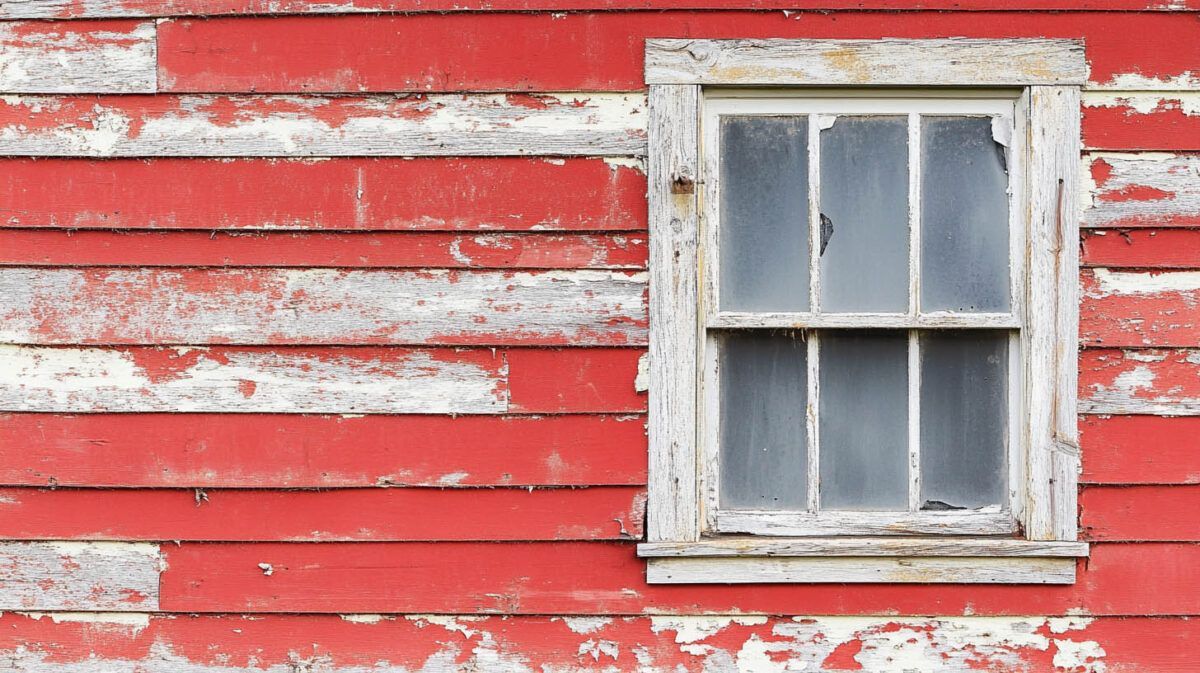
Siding is more than just an aesthetic feature—it is a protective barrier against the elements, pests, and structural deterioration. Over time, exposure to harsh weather conditions, temperature fluctuations, and natural wear can lead to significant siding damage. Recognizing the signs of failing siding early is crucial to maintaining your home’s integrity and energy efficiency.
Signs That Your Siding Needs Replacement
Pest and Wildlife Damage
Wood-based siding is particularly vulnerable to damage from pests such as termites, carpenter ants, woodpeckers, and squirrels. These creatures burrow into the material, creating holes and cracks that compromise the siding’s ability to protect the home. Even small infestations can escalate into severe structural damage if left unaddressed.
Warping, Blistering, and Bubbling
Bubbling and blistering occur when moisture becomes trapped underneath the siding due to prolonged exposure to heat and humidity. Warped or distorted panels indicate that the siding has lost its original form, reducing its ability to shield the home effectively. These issues often suggest that moisture infiltration is occurring behind the panels, which could lead to hidden mold growth and wood rot.
Rising Energy Bills
Siding plays a critical role in insulating your home. When siding becomes damaged or deteriorates, it creates gaps and weak spots that allow outside air to enter and conditioned air to escape. This forces heating and cooling systems to work harder, increasing energy costs. If your energy bills have been climbing despite no changes in usage, your siding may be to blame.
Mold, Mildew, and Rot
Mold and mildew on siding often indicate moisture retention, which can lead to severe structural issues. In extreme cases, moisture seeps into the underlying structure, promoting wood rot and decay. Left untreated, these conditions can spread beyond the siding, affecting interior walls and compromising indoor air quality.
Cracked, Loose, or Missing Panels
Physical damage such as cracks, loose boards, or missing sections leaves the home vulnerable to water infiltration, pests, and reduced insulation. Once siding is compromised, even minor weather events can exacerbate the damage, leading to more extensive repairs. Regular inspections can help identify these issues before they escalate.
Choosing the Best Siding Material for Long-Term Protection
Vinyl Siding
Vinyl siding is a low-maintenance and cost-effective option that resists moisture, pests, and extreme weather conditions. It is available in a wide range of colors and textures, allowing homeowners to customize their home’s appearance while benefiting from long-lasting durability.
Fiber Cement Siding
Fiber cement siding is composed of cement, sand, and cellulose fibers, offering superior resistance to fire, insects, and moisture. It mimics the look of wood but requires less maintenance and lasts longer. Although installation costs may be higher, its longevity makes it a worthwhile investment.
Engineered Wood Siding
Engineered wood combines the beauty of natural wood with added durability. It is treated to resist moisture and pests, making it a more resilient alternative to traditional wood siding. This option provides an authentic wood aesthetic without the frequent maintenance requirements.
Metal Siding
Aluminum and steel siding are highly durable, fire-resistant, and low-maintenance. These materials are commonly used in modern home designs due to their sleek appearance and long lifespan. However, they can be prone to denting and require periodic refinishing to prevent corrosion.
The Siding Replacement Process
- Assessment and Inspection – A professional siding contractor evaluates the existing siding for visible damage, moisture retention, and insulation deficiencies.
- Material Selection – Homeowners choose the most suitable siding based on durability, aesthetics, and budget considerations.
- Preparation and Removal – The old siding is removed, and any underlying structural damage is repaired before the new material is installed.
- Installation – New siding panels are fitted securely, ensuring optimal insulation and protection against the elements.
- Final Inspection – Contractors conduct a thorough review to verify that the siding is properly installed and meets industry standards.
Advantages of Upgrading Your Home’s Siding
- Enhanced Curb Appeal –
New siding improves the home’s exterior appearance, increasing property value.
- Energy Efficiency –
Modern siding materials enhance insulation, reducing heating and cooling costs.
- Increased Protection – High-quality siding shields the home from weather-related damage, pests, and mold.
- Low Maintenance Requirements –
Many siding options require little upkeep, saving homeowners time and money.
Work with a Trusted Siding Expert
For homeowners in Troy, MI, 180 Contractors Roofing & Siding provides top-tier siding installation services. As a BBB A+ accredited company with Guildmaster (GuildQuality), INC 5000, Google Guaranteed, and Qualified Remodeler Top 100 Satisfaction certifications, we ensure exceptional craftsmanship. We partner with leading brands such as James Hardie, Alside, and Everlast to deliver durable, high-quality siding solutions.
Frequently Asked Questions
How often should siding be replaced?
The lifespan of siding varies by material. Vinyl siding typically lasts 20-40 years, fiber cement siding can last over 50 years, and wood siding requires more frequent maintenance but can last several decades with proper care.
What is the best siding for cold climates?
Fiber cement and insulated vinyl siding offer excellent thermal resistance, making them ideal for colder climates where maintaining indoor temperatures is crucial.
Can I replace siding in sections, or should I do a full replacement?
If the damage is localized, sections of siding can be replaced. However, widespread deterioration, mold, or insulation issues often necessitate a full replacement to ensure long-term protection.
How do I maintain my siding to extend its lifespan?
Regular cleaning, prompt repairs, and periodic inspections help prolong the life of your siding. Avoid using high-pressure washers, as they can force water beneath panels and cause damage.
How much does siding replacement cost?
The cost varies based on material and home size. Vinyl siding replacement typically costs between $6,000 and $16,000, while fiber cement siding may range from $10,000 to $25,000.
Conclusion
Recognizing the signs of siding deterioration early prevents costly repairs and enhances home efficiency. Choosing high-quality materials and working with an experienced contractor ensures long-lasting durability and protection. Homeowners looking to upgrade their siding should invest in reliable, weather-resistant options to maintain both structural integrity and aesthetic appeal.
Read also our blog: Can You Install New Siding Over Existing Siding?