Understanding Roofing vs. Siding Materials
Roofs and siding serve different structural and functional purposes. While both act as protective barriers for buildings, their designs, materials, and installation methods are optimized for their specific locations. Roofing materials are engineered to withstand direct exposure to weather, including rain, snow, hail, and UV rays, while siding materials are primarily designed to protect vertical surfaces from moisture and wind-driven rain.
Attempting to use siding on a pitched roof instead of traditional roofing materials is problematic due to differences in water management, structural integrity, and durability.
Challenges of Using Siding Instead of Roofing
1. Water Drainage and Weather Resistance
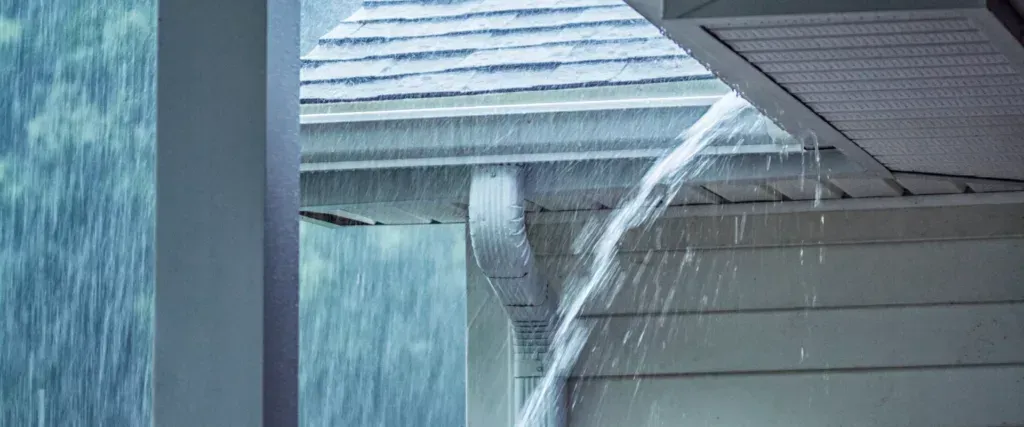
Roofs are designed to channel water and snow efficiently, preventing leaks and structural damage. Roofing materials, such as asphalt shingles, metal panels, or tiles, feature overlapping designs that create a watertight barrier.
Siding, however, is designed for vertical surfaces and is not manufactured to shed water efficiently on a sloped plane. Installing siding on a normal-pitched roof can lead to:
- Water penetration at the seams
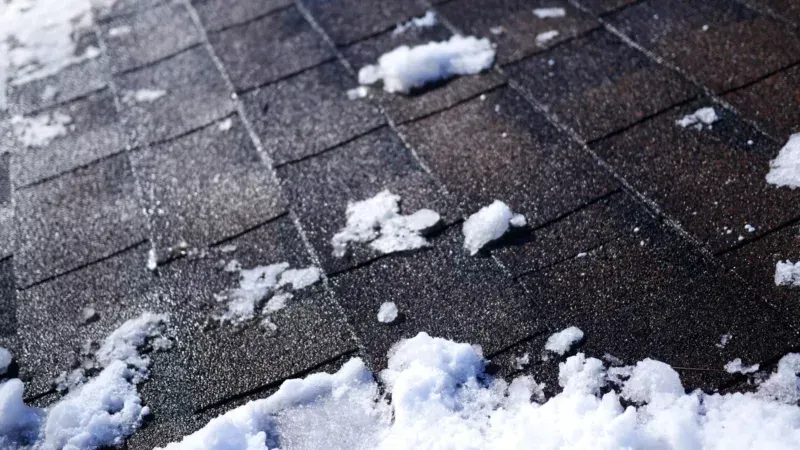
- Ice dam formation in colder climates
- Accelerated material degradation due to prolonged moisture exposure
2. Structural Integrity and Load-Bearing Capacity
Roofing materials are heavier and more robust than siding. They must withstand wind uplift, heavy snow loads, and foot traffic for maintenance. Siding materials, particularly vinyl or composite siding, are much thinner and more flexible, making them unsuitable for bearing weight.
In high-wind regions, improperly secured siding panels on a roof could detach, leading to serious safety risks and damage.
3. UV and Temperature Resistance
Roofing materials are formulated to endure prolonged exposure to the sun, maintaining their integrity under extreme temperatures. Many siding materials, especially vinyl, are more vulnerable to UV degradation and thermal expansion. Over time, exposure to direct sunlight on a pitched roof can cause warping, fading, or cracking.
4. Warranty and Building Code Compliance
Building codes and manufacturer warranties specify appropriate uses for roofing and siding materials. Installing siding on a roof could void manufacturer warranties and fail to meet local building codes, potentially leading to fines or insurance claim denials in case of damage.
Alternative Decorative Roofing Options
If the goal is to enhance the aesthetic appeal of a roof while maintaining durability, there are several options beyond standard metal roofing panels:
1. Metal Roofing with Decorative Finishes
Instead of traditional corrugated or standing seam metal roofs, consider:
- Metal shingles –
These mimic the look of wood shakes, slate, or tile but offer the durability and water resistance of metal.
- Stone-coated steel roofing
– Provides a decorative textured appearance while maintaining strength and longevity.
2. Architectural Asphalt Shingles
High-quality asphalt shingles come in various colors and textures, some resembling slate or wood shakes, offering aesthetic appeal without sacrificing functionality.
3. Synthetic Roofing Materials
Modern synthetic roofing options, such as composite slate or wood shakes, offer high durability with a lightweight composition, providing an attractive alternative to traditional materials.
4. Standing Seam Metal Roofing with Color Customization
Powder-coated or painted metal panels can be customized in various colors and finishes, blending seamlessly with siding and exterior design elements.
Case Study: Successful Roofing Material Upgrades
A homeowner in Indiana faced a similar dilemma when upgrading their garage roof. Initially considering vinyl siding for a more decorative look, they opted for stone-coated steel roofing. The result was a visually appealing, long-lasting roof that complemented the home’s exterior while providing superior protection against the elements.
Recommendations for Homeowners Considering Decorative Roof Upgrades
- Assess climate conditions –
Choose materials designed to withstand regional weather patterns, including snow loads, wind speeds, and temperature extremes.
- Consider long-term durability – Investing in high-quality roofing materials minimizes maintenance costs and extends the lifespan of the roof.
- Consult with roofing professionals – Experts can provide insights into suitable materials that balance aesthetics, performance, and compliance with building codes.
About Our Expertise
At 180 Contractors Roofing & Siding, located in Waterford, MI, we specialize in high-quality roofing and siding solutions tailored to each homeowner’s needs. With certifications including BBB A+ accreditation, Guildmaster recognition, and placement on the INC 5000 list, we deliver excellence in craftsmanship and customer satisfaction. We work with trusted brands like James Hardie, Alside, and Everlast to ensure long-lasting results.
Frequently Asked Questions
1. Can vinyl siding be used on a roof?
No, vinyl siding is not designed for roofing applications. It lacks the durability and water resistance required for sloped surfaces, leading to potential leaks and structural damage.
2. What are the best alternatives to metal roofing sheets?
Options include metal shingles, stone-coated steel, architectural asphalt shingles, and synthetic roofing materials. These provide durability with enhanced aesthetics.
3. Will using siding on a roof void warranties?
Yes, most siding manufacturers explicitly state that their products are not suitable for roof installation. Using siding on a roof could void warranties and may not comply with building codes.
4. Are there decorative metal roofing options?
Yes, metal roofing is available in various styles, including stamped shingles, stone-coated steel, and powder-coated finishes, offering a decorative yet functional solution.
5. How do I choose the best roofing material for aesthetics and durability?
Consider factors like climate, budget, and desired appearance. Consulting a roofing expert ensures you select a material that enhances curb appeal while providing long-term protection.
Conclusion
Using siding instead of roofing materials on a pitched roof is not recommended due to water drainage issues, structural weaknesses, and durability concerns. Homeowners seeking an aesthetically appealing alternative to standard metal roofing should explore decorative options like metal shingles, stone-coated steel, or high-quality asphalt shingles. Consulting with experienced roofing professionals ensures the best combination of beauty and function for any roofing project.
Read also our blog:
How Siding Affects Your Home’s Energy Efficiency