Brick vs. Metal Siding: Which Is the Better Choice for Your Home?
Choosing the Right Siding Material
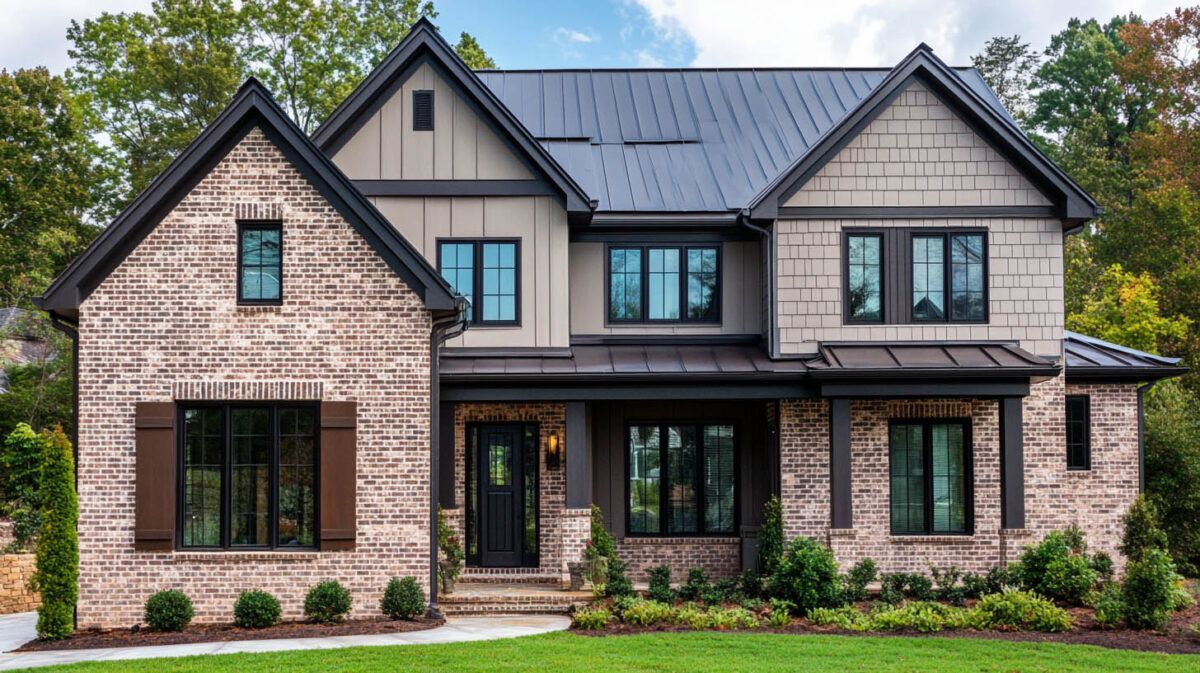
Selecting the best siding for a home involves balancing cost, durability, maintenance, and aesthetics. Brick and metal siding are two widely used options, each offering unique benefits. Homeowners must evaluate their specific needs, climate, and long-term goals when deciding between these materials.
Cost Comparison
Initial Installation Costs
Brick siding generally carries a higher upfront cost due to the complexity of installation and material expenses. Skilled masonry work is required, and bricks themselves are more expensive per square foot compared to metal siding. Additionally, brick installation is labor-intensive, requiring specialized expertise.
Metal siding, often made of aluminum or steel, is more affordable to install. It comes in large panels that can be quickly attached, reducing labor costs. Prefinished metal siding further minimizes expenses by eliminating the need for painting or sealing.
Long-Term Cost Considerations
While brick has a higher initial price, it can offer better value in the long run. Properly maintained brick siding can last over 100 years, whereas metal siding may require replacement after 40 to 50 years, depending on environmental exposure.
Performance and Durability
Weather Resistance
Brick is highly resistant to extreme weather conditions, including heavy rain, strong winds, and hail. It does not rust, dent, or corrode, making it ideal for regions with unpredictable weather patterns. Additionally, brick offers superior fire resistance, adding an extra layer of protection to a home.
Metal siding, while durable, is more prone to dents and scratches from hail and debris. Some metals, particularly steel, may require protective coatings to prevent rusting in humid or coastal areas. Aluminum siding, though corrosion-resistant, is lightweight and may be more susceptible to impact damage.
Structural Integrity Over Time
Brick maintains its strength for decades, requiring minimal repairs aside from repointing mortar joints. Metal siding, on the other hand, may experience expansion and contraction due to temperature fluctuations, leading to warping or loosening over time.
Aesthetic Appeal
Design Versatility
Brick offers a classic, timeless appearance with various colors and textures. It enhances curb appeal by adding depth and dimension to a home’s façade. Brick patterns can be customized to match architectural styles ranging from traditional to contemporary.
Metal siding is available in a range of finishes, including smooth, ribbed, and woodgrain textures. Homeowners can choose from a variety of colors, allowing for greater design flexibility. While modern metal siding can mimic the look of wood or stone, it lacks the natural variation and warmth of brick.
Curb Appeal and Home Value
Brick generally increases a home’s resale value due to its long lifespan and premium appearance. Many buyers associate brick homes with quality and durability, making them more desirable in the real estate market.
Metal siding can enhance a home’s aesthetic, particularly for modern or industrial-style designs. However, its value contribution depends on proper installation and the quality of materials used.
Maintenance Requirements
Cleaning and Upkeep
Brick requires minimal maintenance beyond occasional power washing and mortar joint repairs. It does not need to be repainted or sealed, reducing long-term upkeep costs.
Metal siding is relatively low maintenance but may require periodic repainting or recoating, especially if exposed to harsh weather conditions. Light-colored metal siding may show dirt and water streaks more easily than brick. However, cleaning metal siding is straightforward and typically involves mild detergent and water.
Pest and Mold Resistance
Brick naturally resists pests such as termites and carpenter ants. It is also less likely to develop mold or mildew compared to other siding materials.
Metal siding is impervious to insect damage, but moisture buildup behind improperly installed panels can lead to mold or rust issues. Proper ventilation and insulation are essential to prevent such problems.
Energy Efficiency
Insulation and Thermal Performance
Brick has excellent thermal mass, meaning it absorbs heat during the day and releases it slowly at night. This natural insulation helps regulate indoor temperatures, reducing heating and cooling costs.
Metal siding alone does not provide insulation but can be combined with insulated backing to improve energy efficiency. Reflective coatings on metal siding can help reduce heat absorption in warm climates, keeping homes cooler.
Environmental Impact
Sustainability and Recyclability
Brick is made from natural clay and shale, making it an environmentally friendly option. It is fully recyclable, and reclaimed brick can be repurposed for other construction projects.
Metal siding, especially aluminum, is highly recyclable and often contains a significant percentage of recycled materials. Unlike brick, which requires high-energy kilns for production, metal siding has a lower overall carbon footprint in manufacturing.
Making the Right Choice
Homeowners should consider the following factors when deciding between brick and metal siding:
- Budget – If cost is a primary concern, metal siding is the more economical choice. However, those looking for long-term value may find brick to be a worthwhile investment.
- Climate – Brick is ideal for areas with extreme weather conditions, while metal siding suits regions with moderate climates.
- Aesthetic preferences – Traditional homes benefit from the timeless look of brick, whereas contemporary designs pair well with metal siding.
- Maintenance commitment – Those seeking minimal maintenance may prefer brick, while metal siding offers easy cleaning but may require occasional repainting.
Our Commitment to Quality
At 180 Contractors Roofing & Siding, we provide expert siding solutions tailored to homeowners’ needs in Troy, MI. With certifications such as BBB A+ accreditation, Guildmaster recognition, and placement on the INC 5000 list, we guarantee superior craftsmanship and customer satisfaction. We partner with leading brands, including James Hardie, Alside, and Everlast, to deliver high-quality materials for long-lasting results.
Frequently Asked Questions
1. Which siding option is more durable, brick or metal?
Brick is more durable and can last over 100 years with minimal maintenance. Metal siding, while long-lasting, is more prone to dents and weather-related damage.
2. Is metal siding cheaper than brick?
Yes, metal siding has a lower initial installation cost due to its lightweight design and ease of installation. Brick is more expensive due to material costs and labor-intensive installation.
3. Can metal siding mimic the appearance of brick?
Some metal siding options are designed to resemble brick patterns, but they lack the texture and depth of real brick. Homeowners seeking an authentic brick look should opt for traditional masonry.
4. Does brick or metal siding provide better insulation?
Brick offers superior thermal mass, helping regulate indoor temperatures naturally. Metal siding requires additional insulation backing to achieve similar energy efficiency.
5. How often does metal siding need to be maintained?
Metal siding requires occasional repainting or recoating, depending on climate conditions. Regular cleaning with mild soap and water helps maintain its appearance.
Conclusion
Brick and metal siding each have their advantages, making them suitable for different homeowner preferences. Brick offers unmatched durability, insulation, and timeless appeal, while metal siding provides affordability, design flexibility, and ease of installation. By carefully evaluating factors such as budget, climate, and maintenance, homeowners can make an informed decision that enhances both the appearance and longevity of their property.
Read also our blog: Can You Use Siding on a Roof With a Normal Pitch Instead of Roofing Materials?
GET A FREE QUOTE
We will get back to you as soon as possible.
Please try again later.
Recent Posts