Choosing Between Horizontal and Vertical Siding for Your Home

Understanding the Impact of Siding Orientation
Siding is more than just an exterior covering—it defines a home’s character, enhances durability, and impacts maintenance requirements. Choosing between horizontal and vertical siding is a crucial decision that influences both curb appeal and long-term performance. Each style offers unique benefits, and understanding their differences helps homeowners make an informed choice.
Horizontal Siding: The Classic and Cost-Effective Choice
Traditional Appeal and Widespread Popularity
Horizontal siding, also known as lap siding, is the most commonly used siding style in residential construction. Its traditional appearance makes it a preferred choice for homeowners looking to maintain a classic and timeless exterior.
- Works well with most home styles, including Colonial, Ranch, and Victorian.
- Complements historic neighborhoods where uniformity is valued.
- Easy to integrate with various architectural elements.
Cost-Effectiveness and Quick Installation
One of the main advantages of horizontal siding is its affordability. Due to faster installation times and lower labor costs, it is often the budget-friendly option.
- Requires fewer installation steps compared to vertical siding.
- Less labor-intensive, reducing overall costs.
- Availability of multiple material options, including fiber cement, vinyl, and wood.
Potential Drawbacks of Horizontal Siding
While widely used, horizontal siding does have some limitations, particularly related to water resistance and maintenance.
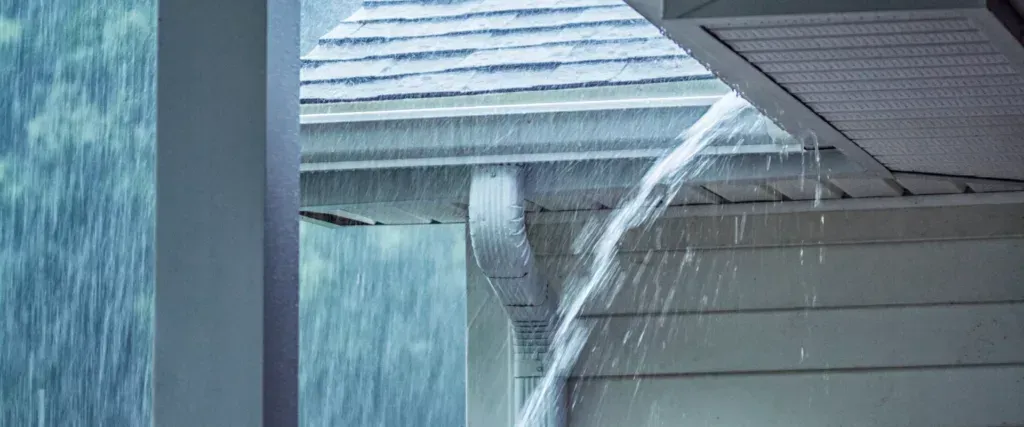
- Prone to water infiltration – Water can seep between the overlapping panels, leading to potential rot and mold growth.
- Requires more frequent maintenance – Dirt, dust, and mildew tend to accumulate more easily, requiring regular cleaning.
- Less resistant to extreme weather conditions – High winds and heavy rains can loosen panels over time.
Vertical Siding: The Modern and Eye-Catching Option
A Bold and Contemporary Look
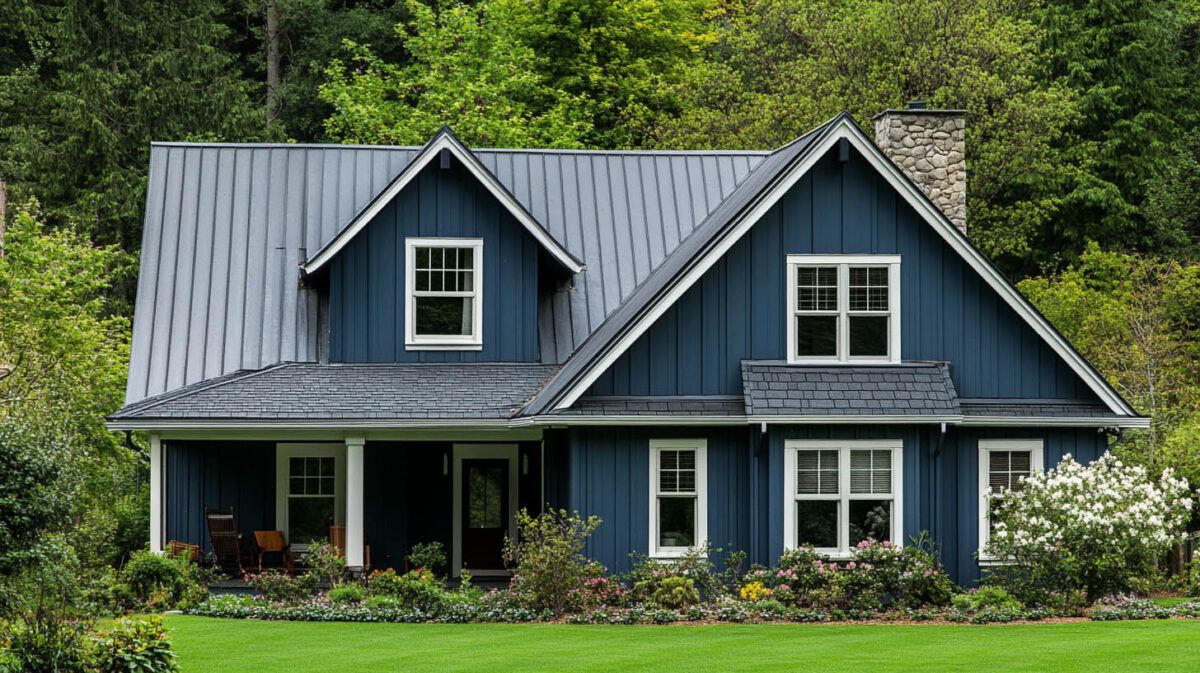
Vertical siding, often associated with modern and farmhouse-style homes, is gaining popularity due to its sleek and distinctive appearance. It offers a fresh take on traditional exteriors while maintaining a refined architectural appeal.
- Commonly used on contemporary, craftsman, and barn-style homes.
- Creates the illusion of added height, making homes appear taller.
- Ideal for homeowners seeking a bold, customized look.
Superior Water Drainage and Low Maintenance
Unlike horizontal siding, vertical siding provides enhanced moisture resistance because water runs off more efficiently. This reduces the risk of mold, mildew, and long-term structural damage.
- Less prone to water damage since there are no overlapping horizontal edges.
- Easier to clean as dirt and debris do not accumulate in grooves.
- Longer-lasting appearance with fewer warping issues.
Challenges of Vertical Siding Installation
Despite its benefits, vertical siding has some installation complexities that may influence a homeowner’s decision.
- Higher installation costs: Requires more labor and materials, such as furring strips, to create a level surface.
- Longer installation time: More precise alignment is needed to maintain a uniform look.
- Less common in traditional neighborhoods, which may affect resale value in certain areas.
Side-by-Side Comparison: Horizontal vs. Vertical Siding
| Feature | Horizontal Siding | Vertical Siding |
|---|---|---|
| Aesthetic Appeal | Classic and traditional | Modern and bold |
| Installation Cost | More affordable | Higher labor costs |
| Water Resistance | More prone to moisture issues | Better drainage and mold resistance |
| Cleaning & Maintenance | Requires more upkeep | Easier to clean |
| Architectural Suitability | Works well with most traditional home styles | Best for contemporary and farmhouse designs |
| Resale Value | Safe and widely accepted choice | Unique but may not appeal to all buyers |
Combining Horizontal and Vertical Siding for a Custom Look
For homeowners who want the best of both worlds, a mix-and-match approach can create a unique and balanced exterior.
- Use horizontal siding for the main structure and vertical siding for accents such as gables, dormers, or entryways.
- Combine different textures and materials, such as fiber cement lap siding with board-and-batten vertical siding, for added depth and character.
- Enhance architectural details by using vertical siding to highlight specific design elements.
Why James Hardie Siding Is the Best Choice for Any Style
Regardless of siding orientation, choosing a high-quality material is essential for durability and long-term value. James Hardie fiber cement siding is one of the best options available, offering unmatched performance in both horizontal and vertical applications.
- Resistant to pests, moisture and rot.
- Engineered for specific climates, ensuring superior weather protection.
- ColorPlus® Technology for long-lasting color without frequent repainting.
- Available in multiple styles, including traditional lap siding and vertical board-and-batten.
Why Homeowners Trust 180 Contractors Roofing & Siding
For expert siding installation, 180 Contractors Roofing & Siding, located in Rochester Hills, MI, provides superior craftsmanship using premium materials. We are BBB A+ accredited, Guildmaster (GuildQuality), INC 5000 recognized, Google Guaranteed, and a Qualified Remodeler Top 100 Satisfaction company. Our team specializes in James Hardie, Alside, and Everlast siding, ensuring long-lasting, high-performance solutions for every home.
Frequently Asked Questions
1. Which siding style lasts longer—horizontal or vertical?
Both horizontal and vertical siding can last decades if made from high-quality materials like James Hardie fiber cement siding. However, vertical siding has better water drainage, reducing the risk of moisture damage over time.
2. Is vertical siding more expensive than horizontal siding?
Yes. Vertical siding requires additional installation steps, including furring strips for leveling, which increases labor costs. However, the investment may be worthwhile for homeowners seeking a modern, low-maintenance exterior.
3. Can I mix horizontal and vertical siding on the same house?
Absolutely! Combining horizontal and vertical siding adds character and highlights architectural features. Many homeowners use horizontal siding for the main body and vertical siding for gables or entryways.
4. Does vertical siding increase home value?
It depends on the neighborhood and buyer preferences. While vertical siding adds a unique, high-end look, it is less common and may not appeal to all buyers in traditional areas.
5. What is the best material for both horizontal and vertical siding?
James Hardie fiber cement siding is one of the best choices for both horizontal lap siding and vertical board-and-batten applications. It offers durability, weather resistance, and low maintenance, making it a superior long-term investment.
Conclusion
Choosing between horizontal and vertical siding depends on a homeowner’s design preferences, budget, and maintenance expectations. Horizontal siding provides a classic, cost-effective option, while vertical siding offers a bold, modern aesthetic with improved water drainage. Combining both styles can create a custom, high-end look that enhances curb appeal. Regardless of the style chosen, investing in high-quality siding materials like James Hardie fiber cement ensures superior durability, beauty, and value for years to come.
Read also our blog:
Why Replacing Aluminum Siding with James Hardie Is the Best Choice
GET A FREE QUOTE
We will get back to you as soon as possible.
Please try again later.
Recent Posts