The Shift Away from Aluminum Siding
For decades, aluminum siding was a popular exterior choice for homeowners due to its affordability and ease of installation. However, as home design and building technology have evolved, aluminum siding has become outdated, with more homeowners seeking durable, energy-efficient, and visually appealing alternatives.
James Hardie fiber cement siding has emerged as the gold standard for modern home exteriors, offering superior performance in terms of longevity, curb appeal, and resistance to weather and pests. Upgrading from aluminum to James Hardie siding enhances a home’s value, improves insulation, and provides long-term durability.
The Problems with Aluminum Siding
1. Prone to Dents and Damage
Aluminum siding is thin and easily dented by hail, debris, and accidental impacts. Once damaged, dents cannot be repaired without replacing entire panels.
- Hailstorms leave permanent indentations.
- Everyday wear and tear weakens its structure over time.
- Replacing dented panels is costly and time-consuming.
2. Fading and Color Deterioration
Over time, aluminum siding experiences significant color fading and oxidation. The protective coating wears away, leading to a dull, chalky appearance.
- Requires frequent repainting to maintain curb appeal.
- Sun exposure accelerates color fading.
- Oxidation creates an unsightly, powdery residue.
3. Noisy and Poor Insulation
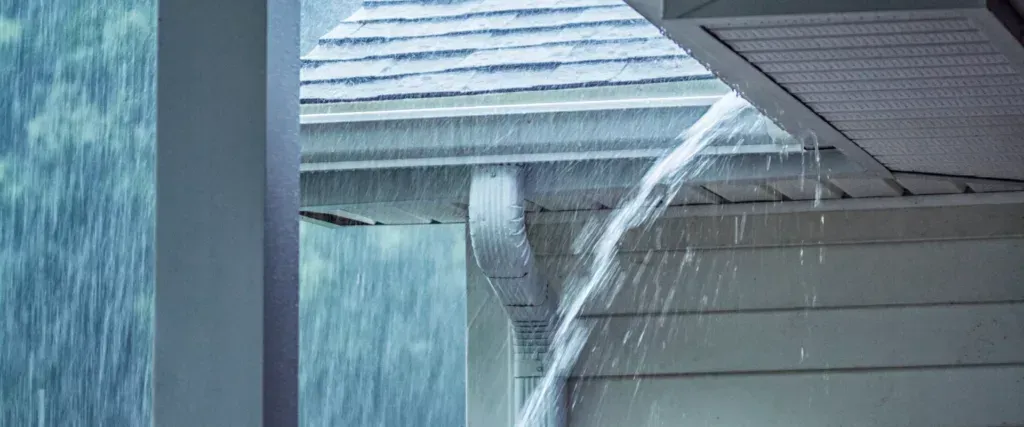
One of the biggest homeowner complaints about aluminum siding is the loud noise during heavy rain or hailstorms. Additionally, aluminum conducts heat and cold, making it a poor insulator.
- Energy bills increase due to poor thermal regulation.
- Home temperature fluctuates with outdoor conditions.
- Noisy during rain, reducing indoor comfort.
4. Prone to Corrosion and Rust
Although aluminum does not rust like steel, it is susceptible to corrosion over time, particularly in humid or coastal climates. Moisture exposure can cause pitting and surface damage, reducing the lifespan of the siding.
- Moisture leads to corrosion and weakening of panels.
- Harsh weather accelerates deterioration.
- Corrosion affects the siding’s protective capabilities.
Why James Hardie Siding Is the Best Replacement for Aluminum
1. Unmatched Durability and Strength
James Hardie fiber cement siding is engineered for longevity, making it one of the most durable exterior materials available. It resists:
- Cracks, dents, and impact damage.
- Harsh weather conditions, including heavy snow and rain.
- Warping, rotting, and moisture infiltration.
Unlike aluminum, James Hardie siding maintains its structural integrity for decades, providing long-term protection.
2. Superior Weather Resistance
James Hardie siding is designed to withstand extreme climates. Unlike aluminum, it does not expand and contract significantly due to temperature changes, ensuring:
- No warping or buckling over time.
- Superior protection against moisture damage.
- Resilience in high winds, storms, and snow.
3. Beautiful, Long-Lasting Color
James Hardie offers ColorPlus® Technology, a baked-on paint finish that lasts up to 15 years without fading or peeling. This outperforms aluminum siding, which requires frequent repainting.
- UV-resistant color that maintains vibrancy.
- Eliminates the need for periodic painting.
- A wide selection of modern and classic colors.
4. Energy Efficiency and Insulation
Unlike aluminum, James Hardie siding helps regulate indoor temperatures, improving overall energy efficiency. With better insulation properties:
- Homeowners save on heating and cooling costs.
- The interior stays comfortable year-round.
- Less energy is wasted due to heat loss or gain.
5. Enhanced Curb Appeal and Home Value
Replacing old aluminum siding with James Hardie instantly boosts curb appeal and home value. It offers the look of traditional wood without the maintenance issues, making it an attractive upgrade for buyers and homeowners alike.
- Increases resale value by offering premium durability and aesthetics.
- Available in a variety of textures and styles.
- Complements both modern and classic architectural designs.
Comparing James Hardie Siding and Aluminum Siding