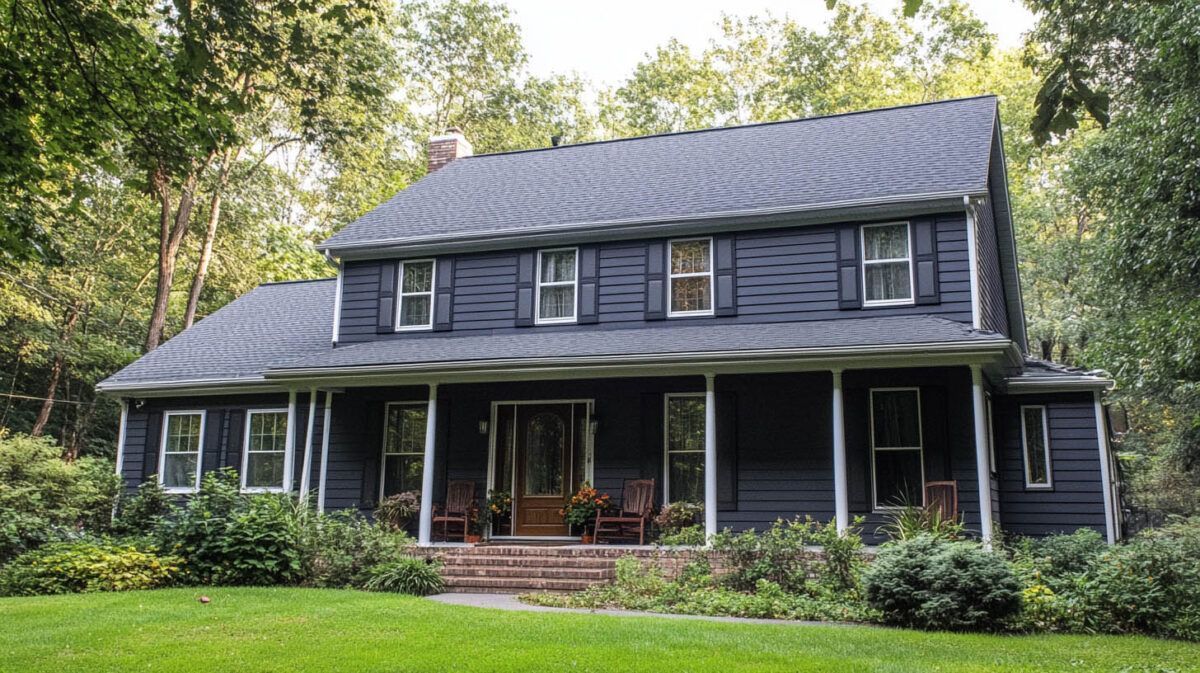
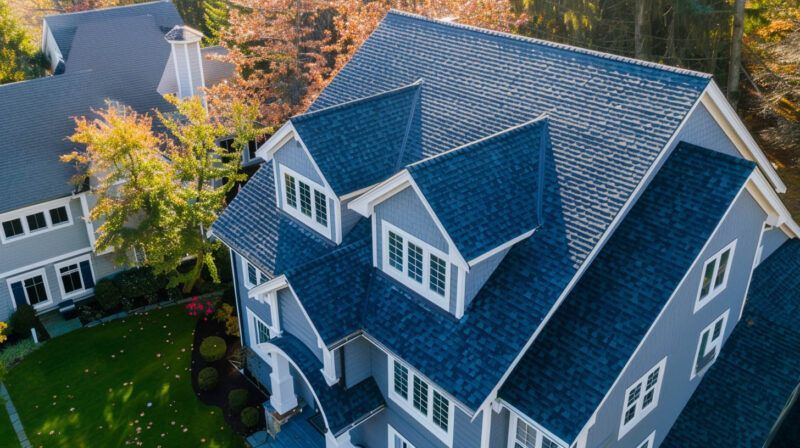
Selecting the right siding for a home is a crucial decision that affects aesthetics, durability, energy efficiency, and overall property value. With numerous options available, homeowners must evaluate the benefits and drawbacks of each material to determine the best fit for their climate, budget, and design preferences.
Understanding the Role of Siding in Home Protection
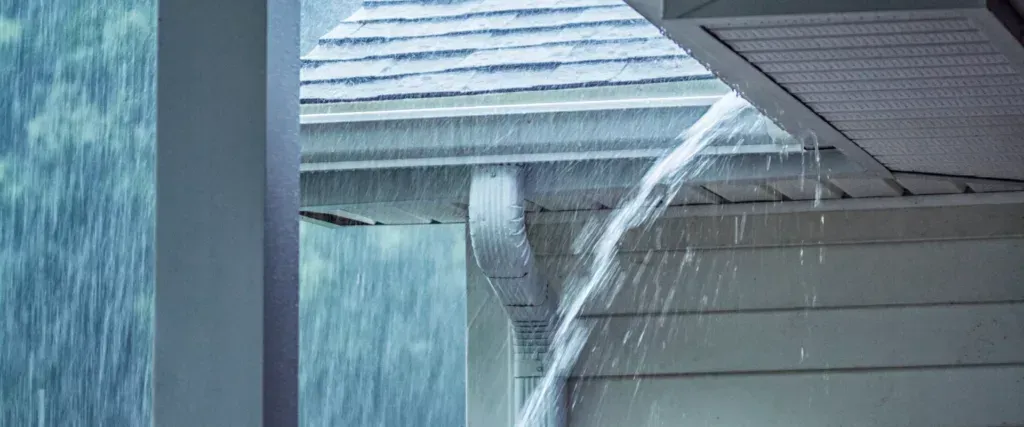
Siding serves as the first line of defense against harsh weather, moisture infiltration, and external damage. It also plays a significant role in insulation, contributing to energy efficiency and reducing heating and cooling costs. Modern siding materials are designed to enhance durability while providing a wide range of styles to match different architectural aesthetics.
Popular Siding Options for Residential Homes
Vinyl Siding: Affordable and Versatile
Vinyl siding has been a leading choice for decades due to its cost-effectiveness and low maintenance requirements. Made from polyvinyl chloride (PVC), it offers a variety of styles, including traditional lap siding, board and batten, and cedar shake replicas.
Advantages:
- Budget-friendly compared to other materials
- Wide range of colors and textures
- Resistant to rot, pests, and moisture
- Minimal maintenance—requires occasional washing
- Insulated versions available to improve energy efficiency
Challenges:
- Less impact-resistant than fiber cement or engineered wood
- May fade over time with prolonged sun exposure
- Can become brittle in extremely cold temperatures
Fiber Cement Siding: Exceptional Durability
Fiber cement siding is composed of cement, sand, and cellulose fibers, creating a highly durable material that mimics the appearance of wood without the maintenance drawbacks.
Advantages:
- Resistant to fire, pests, and moisture
- Withstands harsh weather conditions, including high winds and heavy rains
- Offers a natural wood-like appearance without warping or rotting
- Available in various styles, including lap, shingle, and stucco finishes
Challenges:
- More expensive than vinyl siding
- Requires professional installation due to its weight and composition
- Periodic repainting may be necessary to maintain color vibrancy
Engineered Wood Siding: The Aesthetic Appeal of Natural Wood
Engineered wood siding is manufactured from compressed wood fibers and resins, creating a durable and cost-effective alternative to traditional wood siding.
Advantages:
- Realistic wood grain texture at a lower cost than natural wood
- Pre-treated to resist rot, termites, and moisture damage
- Environmentally friendly, using sustainable wood fibers
- Lighter weight than fiber cement, making installation easier
Challenges:
- Requires occasional repainting or sealing
- Vulnerable to excessive moisture if not properly maintained
- Less fire-resistant than fiber cement siding
Brick and Stone Veneer Siding: Classic and Timeless
For homeowners seeking a traditional and highly durable option, brick and stone veneer siding provides a sophisticated, long-lasting exterior.
Advantages:
- Exceptional durability with resistance to fire, insects, and weather damage
- Low maintenance with no need for frequent repainting or refinishing
- Excellent insulation properties, reducing energy costs
Challenges:
- One of the most expensive siding options
- Labor-intensive installation process
- Limited color and style variations compared to other siding materials
Metal Siding: Modern and Industrial Appeal
Metal siding, particularly aluminum and steel, is becoming a popular choice for contemporary and industrial-style homes.
Advantages:
- Resistant to fire, rot, and insect damage
- Long lifespan with minimal maintenance
- Energy-efficient with reflective properties that reduce heat absorption
Challenges:
- Prone to dents and scratches
- Higher initial cost than vinyl siding
- May be susceptible to rust in high-humidity areas if not properly coated
Choosing the Best Siding for Your Home
Factors to Consider
- Climate Conditions –
Homes in areas with high humidity should opt for moisture-resistant materials like fiber cement or vinyl. For extreme temperature fluctuations, insulated siding options provide better energy efficiency.
- Maintenance Requirements – Vinyl siding is ideal for homeowners seeking a low-maintenance option, while wood and fiber cement require periodic upkeep.
- Budget Constraints – Vinyl is the most cost-effective option, whereas brick, stone, and fiber cement require a larger investment.
- Aesthetic Preferences – Each siding type offers different textures and styles, allowing homeowners to match their desired architectural look.
- Longevity and Durability – Fiber cement and brick provide long-term durability, while engineered wood and vinyl offer a balance between cost and performance.
Professional Installation for Long-Term Results
The quality of siding installation is just as important as the material itself. Poor installation can lead to moisture damage, energy inefficiency, and reduced durability. 180 Contractors Roofing & Siding, located in Waterford, MI, provides expert siding solutions backed by industry-leading certifications, including BBB A+ accreditation, Guildmaster (GuildQuality), INC 5000, Google Guaranteed, and Qualified Remodeler Top 100 Satisfaction. The company partners with top manufacturers like James Hardie, Alside, and Everlast, ensuring homeowners receive premium products that enhance their property’s curb appeal and longevity.
Frequently Asked Questions
- What is the most durable siding option?
Fiber cement and brick siding are among the most durable choices, offering resistance to fire, moisture, and pests. - Is vinyl siding a good long-term investment?
Yes, vinyl siding is cost-effective and low-maintenance, making it an excellent investment for homeowners looking for affordability and durability. - How often does fiber cement siding need to be repainted?
Depending on exposure to elements, fiber cement siding may require repainting every 10-15 years to maintain its appearance. - What siding material provides the best insulation?
Insulated vinyl and fiber cement siding offer enhanced energy efficiency, reducing heating and cooling costs. - How do I maintain engineered wood siding?
Regular cleaning and periodic resealing or repainting help protect engineered wood siding from moisture damage and UV exposure.
Conclusion
Choosing the best siding for a home requires careful consideration of durability, maintenance, cost, and aesthetic appeal. Homeowners should evaluate their climate conditions, budget, and personal preferences when selecting the ideal material. With professional installation and high-quality products, a well-chosen siding solution enhances a home’s longevity, energy efficiency, and overall value.
Read also our blog:
Can You Install Vinyl Siding Over Brick? A Homeowner’s Guide