Homeowners’ Associations (HOAs) play a significant role in maintaining the look, feel, and standards of a community. While these guidelines serve to protect property values and uphold a neighborhood’s character, they can also limit homeowners’ roofing options. If you’re considering a roof replacement or significant repair in Bloomfield Hills, MI, understanding your HOA’s rules is essential to avoid costly delays or fines.
At
180 Contractors Roofing & Siding, we frequently work with homeowners navigating HOA roofing regulations. We help ensure that every project is not only structurally sound and aesthetically pleasing but also fully compliant with neighborhood policies.
Why HOAs Regulate Roofing Projects
HOAs are established to maintain uniformity and curb appeal within a neighborhood. Their roofing regulations typically cover:
- Material types
- Shingle colors and styles
- Roof pitch and design
- Repair and replacement timelines
- Contractor licensing and insurance
Failure to comply with these standards can result in denied approvals, forced removal of non-conforming materials, or even legal action.
Know Before You Build: Read the CCRs
Before making any roofing decisions, review your HOA’s Covenants, Conditions, and Restrictions (CCRs). These documents outline specific guidelines and processes for exterior changes, including:
- Required materials (e.g., only architectural shingles or specific brands)
- Prohibited roofing types (like reflective metal or bright-colored tiles)
- Minimum performance standards (e.g., Class 4 impact resistance)
- Pre-approval requirements and submission timelines
Some HOAs even specify preferred contractors or product brands to ensure consistency and warranty coverage.
Start With Written Approval
Most associations require formal approval from the HOA board before beginning roofing work. This usually involves submitting:
- A detailed proposal or estimate
- Samples of the proposed roofing material
- Contractor credentials, licensing, and insurance documents
- A timeline for the start and completion of the project
Skipping this step can put you at risk of fines or being forced to undo the work, even if the roof is new.
Choosing HOA-Compliant Materials
Your material selection will often be limited by the HOA’s design guidelines. Fortunately, many manufacturers offer options that balance durability and aesthetic appeal while complying with most HOA rules.
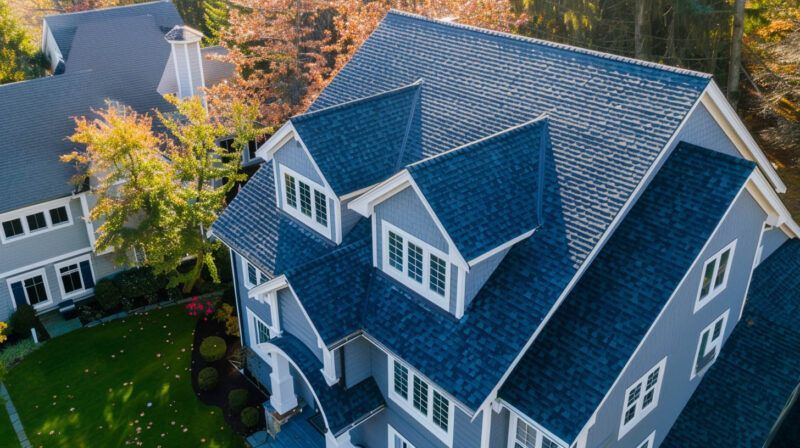
Owens Corning shingles, for example, are widely accepted by HOAs for their classic appearance, color variety, and performance. They meet or exceed many association guidelines regarding impact resistance, wind uplift, and algae resistance.
Metal roofing, synthetic materials, and tile may be permitted in some communities—especially if they replicate traditional looks like slate or shake.
Color and Style Matching
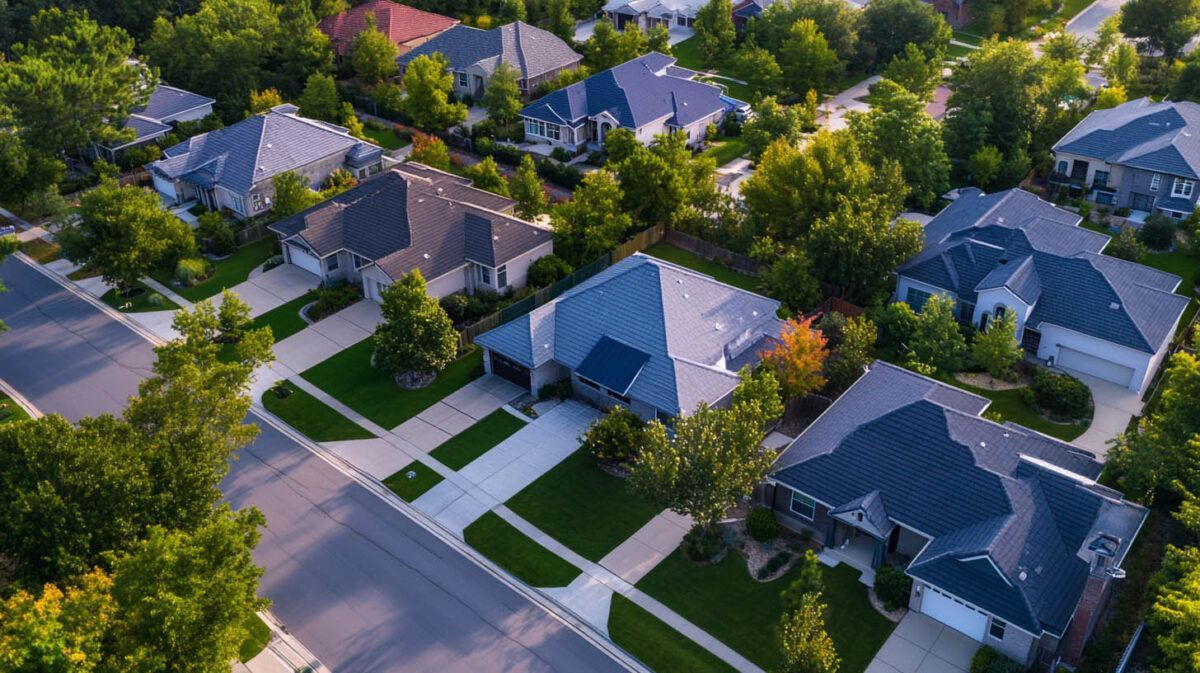
HOAs usually restrict color palettes to ensure a uniform visual identity across the neighborhood. Neutral tones like gray, brown, and black are commonly allowed, while bright or unconventional colors are often prohibited.
Some associations even require you to match existing homes in your community. Be sure to get HOA approval on your color choice before ordering materials.
Hire a Contractor Experienced With HOA Projects
Working with a contractor familiar with HOA roofing projects can save you time and headaches. They’ll know how to:
- Navigate approval processes
- Select compliant materials
- Provide detailed documentation
- Work within the HOA’s timeline and job site standards
At 180 Contractors Roofing & Siding, we often coordinate directly with HOA boards to streamline the approval process and ensure all paperwork is completed accurately and on time.
Understand Long-Term Maintenance Rules
HOA rules don’t stop after installation. They may also dictate:
- How quickly you must address visible damage
- Whether moss or algae must be cleaned
- If solar panels or satellite dishes can be installed on your roof
Maintaining a clean, damage-free roof isn’t just good practice—it may be a requirement under your HOA agreement.
What Happens if You Violate the Rules?
Non-compliance with HOA roofing standards can result in:
- Written warnings or fines
- A requirement to redo the roof using approved materials
- Suspension of HOA privileges
In some extreme cases, legal action can be taken to enforce CCR compliance. Always keep records of your approvals, material specs, and contractor communications.
Final Thoughts
Navigating HOA roofing rules can feel like a hassle, but it’s a critical part of homeownership in a managed community. By following the guidelines, securing pre-approvals, and working with a contractor who understands the process, you can enjoy a smooth project from start to finish.
If you’re in Bloomfield Hills, MI, and need help staying compliant with HOA roofing rules, trust the experience of 180 Contractors Roofing & Siding. We’ll ensure your new roof checks all the boxes—visually, structurally, and legally.
Read also our blog:
How to Prevent Roof Mold and Algae Before It Spreads