Selecting the right vinyl siding color is a crucial decision that influences your home’s curb appeal, resale value, and overall aesthetic. The ideal color should complement your architectural style, surroundings, and long-term maintenance expectations. Understanding how colors interact with natural light, seasonal changes, and potential fading can help homeowners make the best choice.
Factors to Consider When Choosing a Vinyl Siding Color
Light Colors vs. Dark Colors
The choice between light and dark siding colors affects both aesthetics and maintenance.
- Light Colors:
Shades like white, beige, and pastel hues create a clean and classic look. These colors reflect heat, keeping the home cooler in summer. However, white and very light shades tend to show dirt and stains more easily, requiring frequent cleaning.
- Dark Colors:
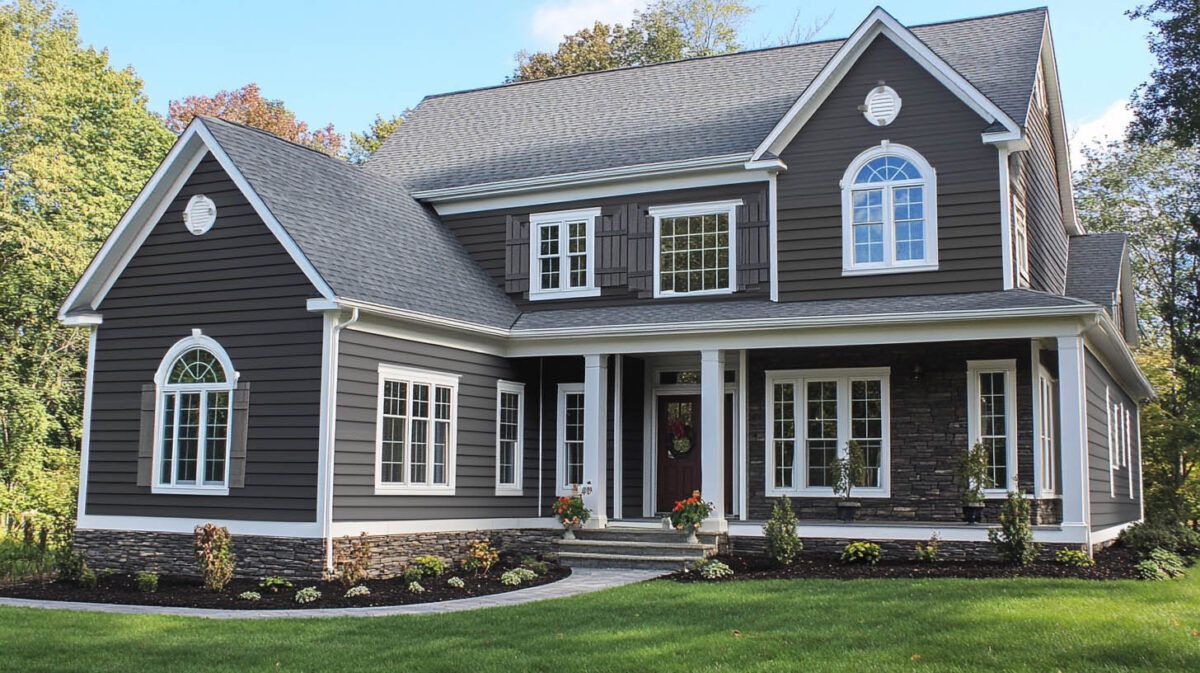
Deep tones such as navy, charcoal, or forest green add bold character to a home. These colors are ideal for making a statement but absorb more heat, potentially increasing energy costs in warm climates. Prolonged exposure to sunlight may also lead to fading over time.
Impact of Sunlight and Fading Resistance
Vinyl siding manufacturers incorporate UV-resistant technology, but prolonged sun exposure can still cause color fading. South-facing walls tend to receive the most direct sunlight, which can accelerate discoloration. To minimize this effect:
- Choose high-quality, fade-resistant siding from reputable brands.
- Opt for mid-tone colors that balance light reflection and heat absorption.
- Consider lighter shades for sun-exposed areas and darker shades for shaded sections.
Seasonal Changes and Environmental Influence
The color of your home’s surroundings varies throughout the year, affecting how your siding looks in different seasons. When selecting a color:
- Consider how the siding will contrast with green summer landscapes and snowy winter backdrops.
- Earthy tones such as taupe, olive, and deep red harmonize well with natural surroundings.
- Neutral colors remain versatile year-round, ensuring consistency in appearance.
Matching Siding with Trim and Roofing
A cohesive exterior design requires thoughtful coordination between siding, trim, and roofing materials. When selecting a siding color:
- Ensure contrast between siding and trim for a visually balanced look. White trim pairs well with most colors, while darker trim enhances bold siding choices.
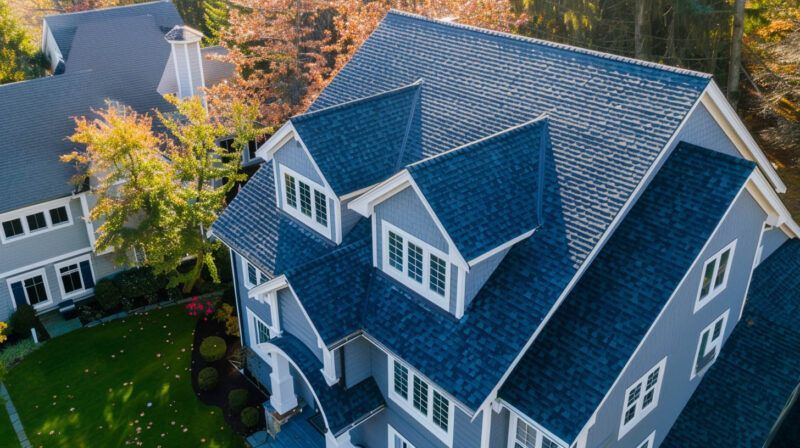
- Consider the roof color, as it plays a major role in the overall aesthetic. A dark roof with light siding creates contrast, while a monochromatic scheme offers a seamless appearance.
Home Style and Architectural Influence
Certain colors complement specific architectural styles better than others:
- Traditional Homes: Classic hues like beige, cream, and light gray maintain a timeless elegance.
- Modern Homes:
Bold choices such as black, dark gray, and navy blue add contemporary flair.
- Farmhouse and Cottage-Style Homes: Soft pastels, sage green, and off-white offer a charming, rustic appeal.
Popular Vinyl Siding Colors and Their Effects
Neutral and Classic Shades
- White:
Timeless and bright, but requires frequent cleaning.
- Gray:
A versatile choice that complements modern and traditional homes.
- Beige and Taupe:
Warm, inviting, and pairs well with natural surroundings.
Bold and Statement Colors
- Blue:
Ranges from soft coastal tones to deep navy for a striking effect.
- Green:
Earthy shades such as olive and forest green blend well with landscapes.
- Red:
A rustic and classic color often used for farmhouse aesthetics.
Dark and Dramatic Tones
- Charcoal and Black:
Sleek and modern but requires careful maintenance due to heat absorption.
- Deep Brown: Provides a natural, wood-like appearance without the upkeep of real wood.
Long-Term Maintenance Considerations
- Stain Resistance:
Light colors require more frequent washing to maintain a clean look.
- Durability:
UV-resistant siding options last longer with minimal fading.
- Weather Resistance:
Choose a color that withstands local climate conditions, from humidity to heavy snow.
Expert Recommendations and Brand Partnerships
For homeowners looking for the highest quality vinyl siding, working with an experienced contractor ensures durable and aesthetically pleasing results. 180 Contractors Roofing & Siding, located in Troy, MI, offers professional siding installation with premium materials. The company holds industry-recognized certifications, including BBB A+ accreditation, Guildmaster (GuildQuality), INC 5000, Google Guaranteed, and Qualified Remodeler Top 100 Satisfaction. They partner with trusted brands such as James Hardie, Alside, and Everlast to provide top-tier siding solutions.
Frequently Asked Questions
What is the most popular vinyl siding color?
Gray, beige, and white remain the most popular choices due to their timeless appeal and versatility.
Does vinyl siding color affect home resale value?
Yes, neutral and classic colors generally boost resale value, as they appeal to a broad range of buyers.
How can I prevent my siding from fading?
Investing in high-quality, UV-resistant siding and choosing lighter shades can minimize fading over time.
What color siding is best for energy efficiency?
Lighter colors reflect heat, keeping homes cooler, while darker colors absorb heat, which may be beneficial in colder climates.
Can I change my siding color later?
While vinyl siding can be painted, it is best to choose a color you will be satisfied with long-term to avoid additional maintenance.
Conclusion
Choosing the right vinyl siding color enhances curb appeal, complements your home’s surroundings, and ensures long-lasting satisfaction. By considering sunlight exposure, seasonal changes, and architectural style, homeowners can select a siding color that remains attractive for years to come.
Read also our blog:
The Ultimate Guide to Cleaning Residential Siding for a Fresh and Well-Maintained Home