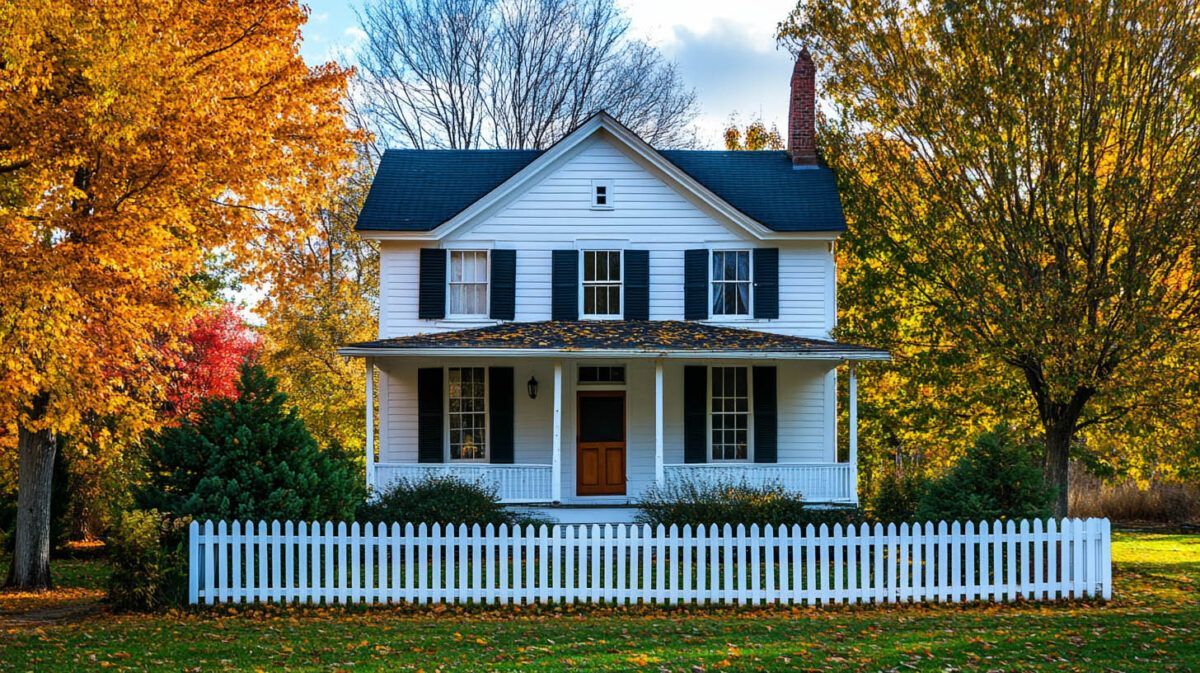
Preserving the beauty and integrity of historic homes requires specialized care, especially when it comes to exterior cleaning. Unlike modern structures, historic properties often have delicate materials, aged finishes, and unique architectural details that can be damaged by traditional pressure washing methods. Cleaning historic siding must be approached with precision, using gentle yet effective techniques to maintain both its structural stability and aesthetic appeal.
Understanding the Risks of Pressure Washing Historic Siding
Pressure washing is a popular method for cleaning siding, but it presents several risks when used on historic homes. The high-pressure water stream can strip away protective coatings, weaken structural elements, and cause irreversible damage.
Common Risks Associated with Pressure Washing Historic Siding
- Paint and Coating Removal: High-pressure water can peel away historic paint layers, leaving the surface vulnerable to moisture and deterioration.
- Structural Damage:
Loose wood, brick mortar, or aged stone can be chipped or broken under intense pressure.
- Loss of Patina and Character:
Many historic homes develop a distinctive patina over time, adding to their charm and value. Pressure washing can strip away this aged finish, reducing its authenticity.
- Water Intrusion Issues:
Excessive force can push water behind the siding, leading to mold, rot, and structural instability.
Alternative Cleaning Methods for Historic Siding
To ensure safe and effective cleaning, alternative methods should be considered. These techniques remove dirt, mildew, and debris while protecting the integrity of the historic materials.
Soft Washing
Soft washing uses low-pressure water combined with specialized cleaning solutions to remove dirt and biological growth. This method is particularly effective for historic homes with painted wood, brick, or stucco siding.
- Uses eco-friendly detergents to break down grime without excessive pressure
- Protects fragile materials from damage
- Prevents water penetration into wood or masonry
Hand Washing and Brushing
For highly delicate surfaces, hand washing is the safest option. A soft-bristle brush and mild soap can clean without stripping away layers of paint or damaging historic finishes.
- Allows for careful spot-cleaning of intricate details
- Prevents damage to aged wood and masonry
- Ideal for homes with custom trim, decorative moldings, and ornate facades
Steam Cleaning
Steam cleaning uses high-temperature vapor to break down dirt and grime without the need for excessive water pressure. This method is ideal for fragile brick, stone, or wood surfaces.
- Removes dirt while preserving historical materials
- Avoids the risks associated with high-pressure water
- Kills mold and bacteria without harsh chemicals
Best Practices for Cleaning Historic Home Siding
Conduct a Pre-Cleaning Inspection
Before any cleaning begins, a thorough inspection should be performed to assess the condition of the siding. This helps identify areas that may be too fragile for even the gentlest cleaning methods.
- Look for signs of rot, loose paint, or weakened materials
- Test a small, inconspicuous area before applying a cleaning method to the entire surface
- Consult with a professional to determine the safest approach
Use the Right Cleaning Products
Selecting the appropriate cleaning solutions is essential for preserving historic materials. Avoid harsh chemicals that can cause discoloration or deterioration.
- pH-neutral cleaners are best for painted wood and masonry
- Oxygen-based cleaners effectively remove mold and mildew without damaging siding
- Avoid bleach-based products, which can weaken wood fibers and masonry
Schedule Regular Maintenance
Historic homes require consistent upkeep to prevent dirt and biological growth from accumulating. Routine cleaning helps maintain the home’s beauty while minimizing the need for intensive restoration efforts.
- Clean siding at least once a year using gentle methods
- Address mold or mildew promptly to prevent damage
- Inspect siding regularly for cracks, peeling paint, or signs of deterioration
When to Hire a Professional for Historic Siding Cleaning
While DIY cleaning methods may work for small maintenance tasks, historic home exteriors often require the expertise of professionals. Hiring an experienced restoration specialist ensures the correct techniques are used, preventing costly damage.
Benefits of Professional Historic Siding Cleaning
- Trained specialists understand how to handle fragile materials
- Access to professional-grade equipment tailored for historic homes
- Knowledge of proper restoration techniques if repairs are needed
Historic homeowners looking for expert siding cleaning services can turn to 180 Contractors Roofing & Siding, located in Rochester Hills, MI. With a strong reputation for excellence, we specialize in protecting and maintaining historic properties. Our credentials include BBB A+ accreditation, Guildmaster (GuildQuality), INC 5000 recognition, Google Guaranteed certification, and a place in the Qualified Remodeler Top 100 Satisfaction List. We proudly work with industry-leading brands such as James Hardie, Alside, and Everlast to ensure high-quality results.
FAQs
Is pressure washing ever safe for historic siding?
Pressure washing may be used on some historic materials if the pressure is set to a low level and handled by professionals. However, soft washing or steam cleaning is often a safer alternative.
How often should I clean the siding on a historic home?
It is recommended to clean historic siding at least once a year using gentle methods. Homes in humid or wooded areas may require more frequent maintenance to prevent mold growth.
What is the best way to remove mold and mildew from historic siding?
A mixture of water, mild detergent, and a soft brush can effectively remove mold without damaging siding. Steam cleaning is also a great option for killing mold spores without harsh chemicals.
Can I use store-bought pressure washers on a historic home?
No. Standard pressure washers are too powerful and can cause significant damage to historic siding. It is best to consult a professional who specializes in historic home restoration.
Should I repaint my siding after cleaning?
If the existing paint is peeling or fading, repainting may be necessary after cleaning. Be sure to use historically accurate colors and high-quality paint designed for exterior use.
Conclusion
Preserving the charm and integrity of a historic home requires thoughtful cleaning techniques that prioritize long-term protection. While pressure washing may seem like a convenient option, it often poses more risks than benefits. By opting for gentle methods such as soft washing, hand brushing, or steam cleaning, homeowners can maintain their property’s beauty without compromising its structural integrity. Consulting a professional ensures that cleaning is done safely, helping historic homes stand the test of time.
Read also our blog:
Choosing the Best Vinyl Siding Color for Your Home