Choosing the Right Roof for Historic or Older Homes

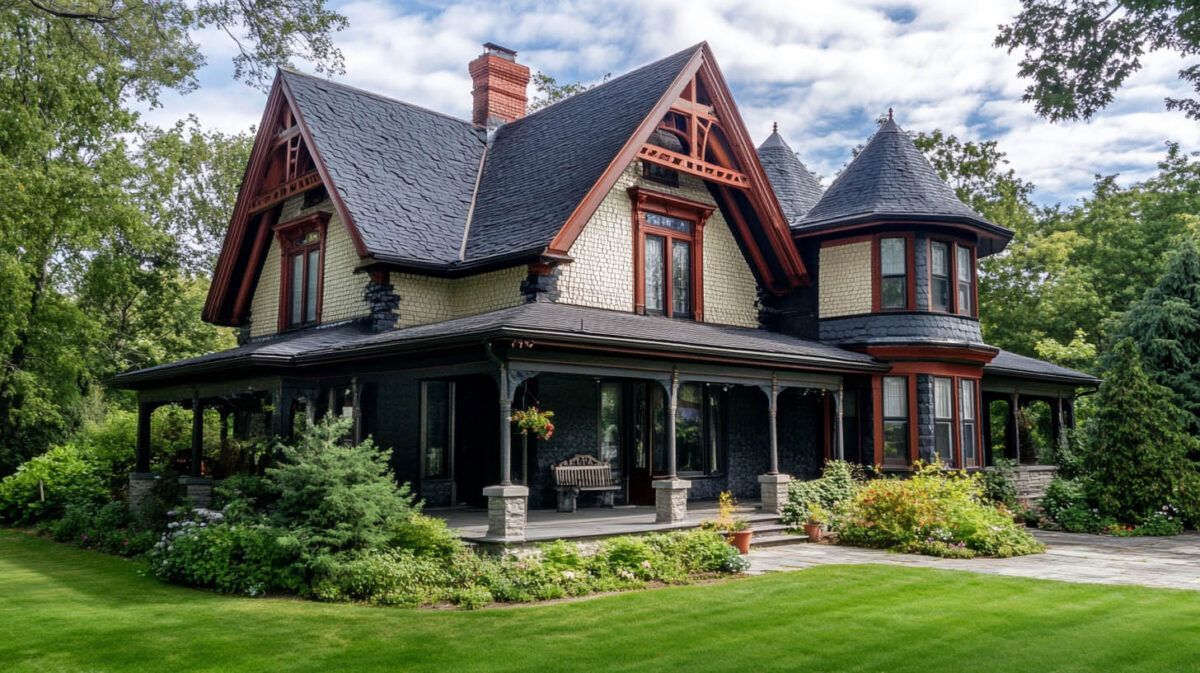
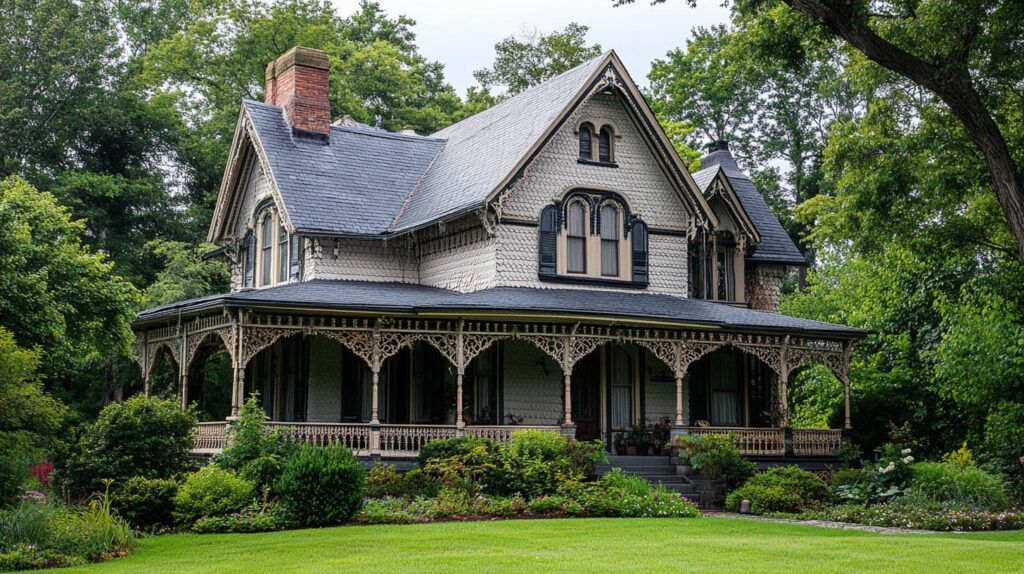
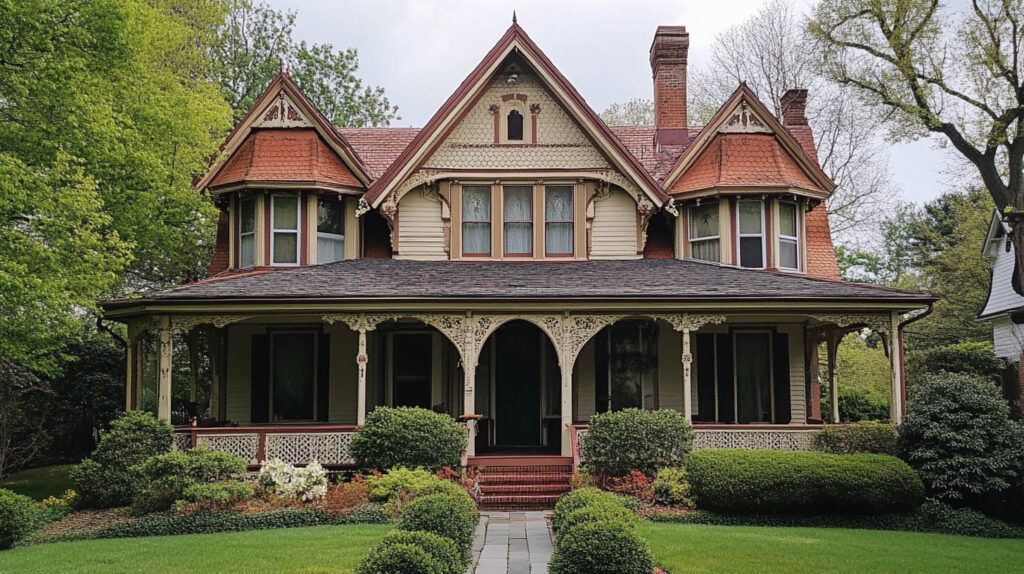
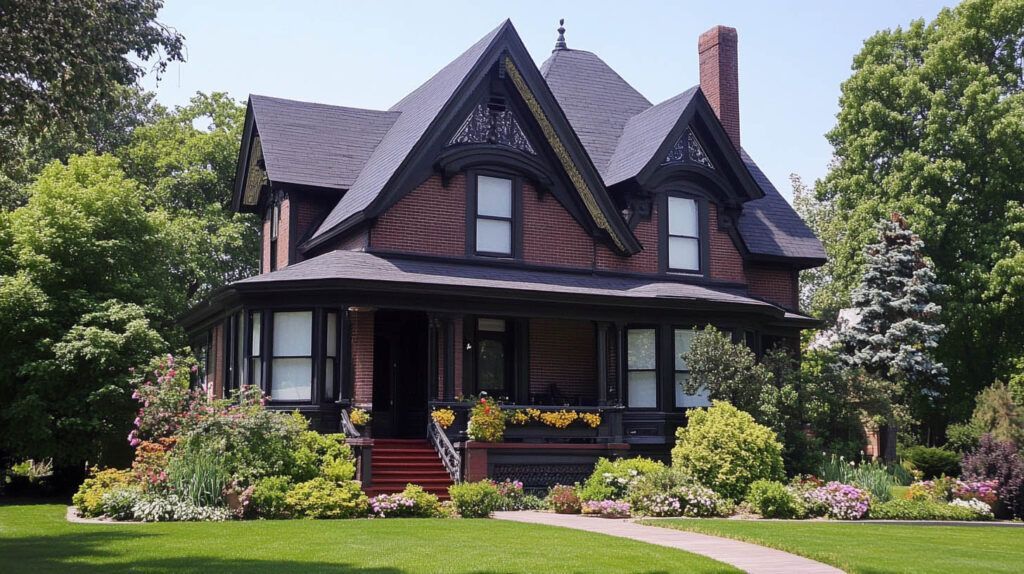
Selecting a roof for historic or older homes involves understanding the unique requirements that come with preserving their architectural legacy. At 180 Contractors Roofing & Siding, located in Bloomfield Hills, MI, we appreciate that each structure bears its own narrative, reflecting the era it was built in, whether it showcases Victorian elegance or Craftsman simplicity. Our team emphasizes careful consideration of local regulations and the integration of traditional materials, which is essential to maintain historical integrity. Engaging with our knowledgeable roofing contractors, who are familiar with the nuances of historic preservation, ensures that your new roof not only meets aesthetic standards but also endures the test of time.
Understanding Roofing Needs for Historic Homes
Historic homes possess unique roofing needs that must be carefully considered. Utilizing traditional materials is essential for maintaining the architectural style and integrity of these structures. A thorough understanding of local regulations and historical records can guide homeowners in selecting the right materials, such as slate tiles or wood shakes, that align with the historical period of the property. Regular inspections by a knowledgeable roofing contractor ensure that the roof replacement project meets the delicate balance of aesthetics and functionality while preserving a piece of history.

Importance of Preserving Historical Integrity
Maintaining the historical integrity of older homes is vital for honoring their architectural style and the narrative they embody. Roof replacement projects must prioritize traditional materials, ensuring that new installations harmonize with the overall aesthetic of the property. Additionally, adherence to local regulations helps protect the character of historic districts. This delicate balance between modern needs and preservation efforts safeguards a piece of history, allowing future generations to appreciate the craftsmanship and enduring beauty of these structures.
Key Factors in Choosing the Right Roof
Several key factors must be considered for a successful roof replacement project on historic homes. Assessing the architectural style and historical period ensures that roofing choices align with the character of the property, maintaining historical integrity. Local regulations, alongside guidance from state historic preservation offices, can dictate suitable roofing materials, whether opting for traditional asphalt shingles or more period-appropriate slate tiles. Additionally, consulting a knowledgeable roofing contractor can help balance aesthetics with functional requirements like weather resistance and energy efficiency.

Roofing Materials Suited for Historic or Older Homes
Selecting suitable roofing materials for historic or older homes involves a careful examination of both aesthetic and functional aspects. Traditional materials like slate tiles and wood shakes not only enhance curb appeal but also reflect the architectural style of various historical periods. Each option boasts unique characteristics, such as the weather resistance of metal roofs or the energy efficiency of clay tiles. Engaging a knowledgeable roofing contractor can ensure that the chosen materials will withstand the test of time while maintaining the home’s historical integrity.
Benefits and Drawbacks of Slate Roofing
Versatile and timeless, slate roofing offers remarkable longevity, often surpassing a century. This material enhances curb appeal, aligning beautifully with various architectural styles of historic homes, including Victorian and Craftsman. However, the weight may demand structural reinforcements, potentially increasing project costs. Additionally, while slate’s fire resistance and weather resilience provide critical benefits, the initial investment is significantly higher than traditional materials like asphalt shingles. Understanding these factors aids in discerning whether slate aligns with the preservation goals of historical properties.

The Aesthetics and Durability of Cedar Shakes
Cedar shakes offer a unique blend of aesthetic appeal and long-lasting durability, making them an excellent choice for historic homes. Their natural beauty complements various architectural styles, enhancing curb appeal while maintaining historical integrity. When properly maintained, cedar shakes exhibit weather resistance, withstanding elements like wind and rain. Regular inspections can ensure they retain their charm and structural integrity over time. As part of a roof replacement project, these traditional materials harmonize seamlessly with the character of older buildings, providing both form and function.
Trust the Experts
Choosing the right roof for historic homes involves balancing aesthetics, functionality, and preservation. At 180 Contractors Roofing & Siding in Bloomfield Hills, MI, we appreciate the unique character of these properties. We help homeowners select roofing materials that enhance curb appeal, ensure durability against weather damage, and comply with local regulations.
Our expert team, recognized by the BBB with an A+ rating and as a Guildmaster (Guildquality), is dedicated to preserving history while addressing energy efficiency and fire resistance needs. We uphold the highest standards of honesty and integrity, validated by our inclusion in the INC 5000 and Qualified Remodeler top 100 satisfaction lists. Partnering with trusted brands like CertainTeed and Owens Corning, we deliver roofing solutions that meet both aesthetic and functional needs.
Read our blog: How Roof Material Choices Impact Energy Bills
Frequently Asked Questions
What are the best roofing materials for maintaining historical accuracy?
The best roofing materials for maintaining historical accuracy include slate, cedar shakes, and metal. These materials not only preserve the architectural style of historic homes but also enhance their durability and weather resistance, ensuring they remain true to their original design while meeting modern standards.
At what age is a roof considered old?
Generally, a roof is considered old when it reaches around 20 years of age, although this can vary based on material and quality. Homeowners should assess the condition regularly to determine if replacement or repairs are necessary for historic homes.

GET A FREE QUOTE
We will get back to you as soon as possible.
Please try again later.
Recent Posts