How Roof Material Choices Impact Energy Bills
The choice of roofing material significantly affects a home’s energy efficiency. At 180 Contractors Roofing & Siding, we understand this impact. Efficient roofing enhances comfort and lowers utility bills by regulating temperatures—lighter colors cool homes in summer, while proper insulation aids in winter. By understanding how materials influence energy use, homeowners can reduce their carbon footprint.
We are proud to hold certifications such as Owens Corning Preferred and CertainTeed Shingle Master, along with BBB A+ accreditation. Our quality commitment is recognized through our Guildmaster status. Our expert team in Troy, MI is ready to help you make informed decisions for your home.
Impact of Roofing Materials on Energy Efficiency
A variety of roofing materials is essential for a home’s energy efficiency, impacting cooling and heating costs year-round. Materials like metal, asphalt shingles, and tile have different reflective properties that affect heat absorption. Lighter colors absorb less heat, leading to cooler roof temperatures and greater energy savings in summer.
Proper ventilation also enhances indoor comfort by improving air circulation and preventing heat buildup, further reducing utility bills by optimizing HVAC efficiency in warmer climates. Ultimately, selecting efficient roofing materials is vital for maintaining comfortable indoor temperatures and minimizing energy consumption.
Role of Material Types in Heat Absorption
Different roofing materials vary in heat absorption and reflectance, impacting a home’s energy efficiency. Lighter materials, like metal or tiles, reflect heat, reducing cooling costs and reliance on HVAC systems. In contrast, darker options, such as asphalt shingles, absorb heat, raising indoor temperatures and energy consumption.
Comparative Analysis of Traditional vs Modern Roofing Materials
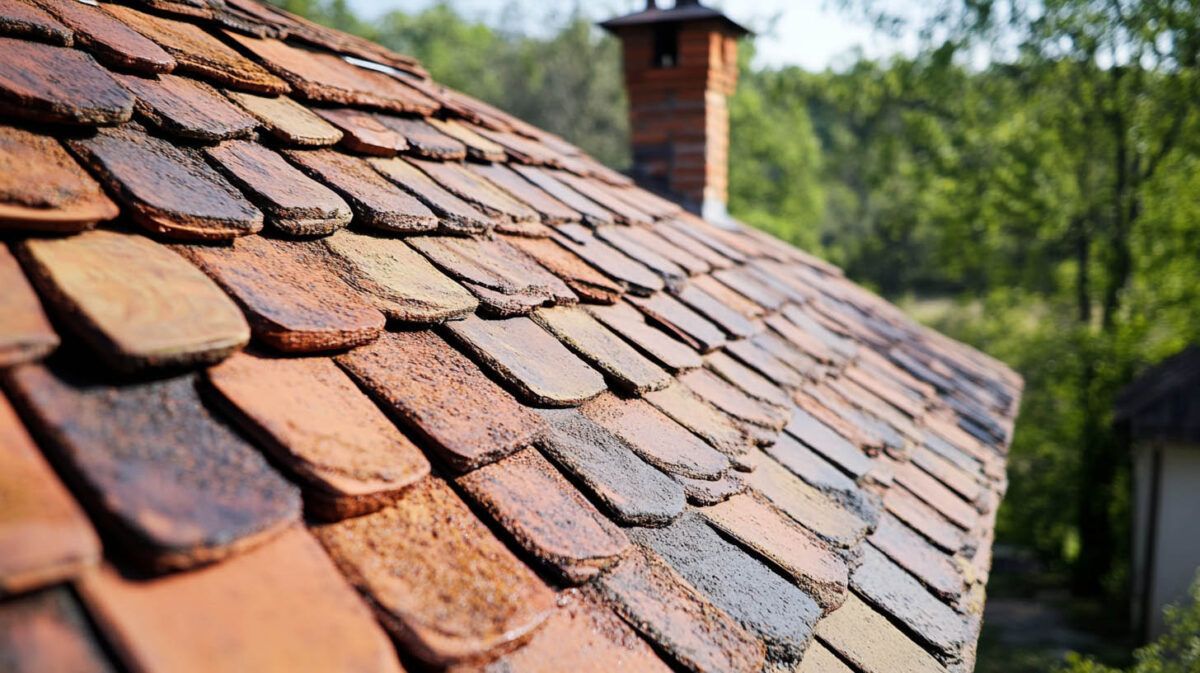
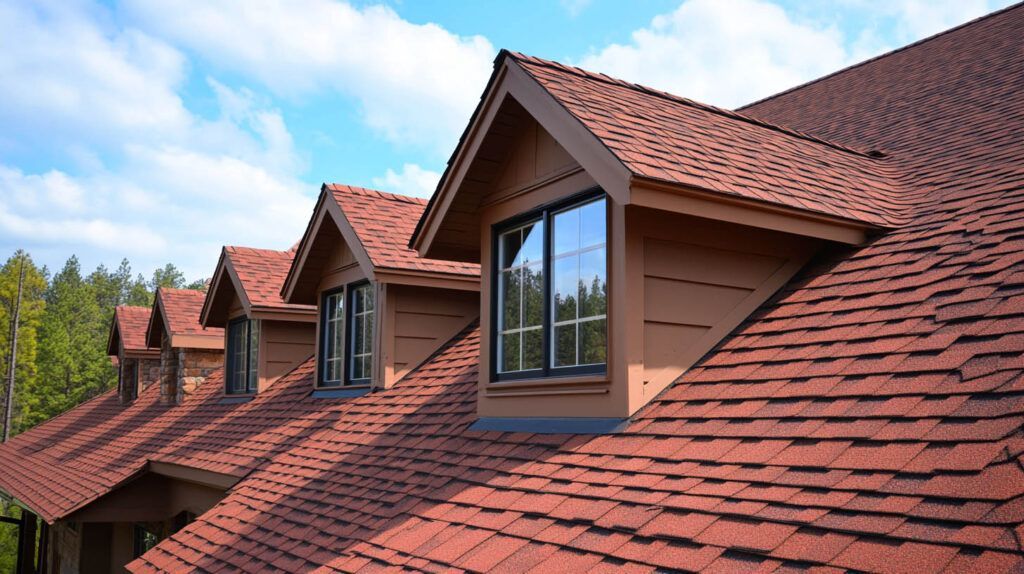
Comparing traditional and modern roofing materials highlights significant energy efficiency implications. Traditional options, like asphalt shingles and tile, insulate well but absorb heat, raising indoor temperatures and increasing reliance on cooling systems, leading to higher utility bills.
In contrast, modern materials such as metal roofs and reflective coatings enhance solar reflectance and minimize heat gain.
Benefits of Selecting the Right Roof Material
Selecting appropriate roofing materials significantly boosts a home’s energy efficiency. By using lighter colors, reflective coatings, and green roofs, solar reflectance is improved, which helps minimize heat gain during the summer and decreases cooling costs. In regions with colder climates, roofs that are well-insulated significantly reduce heat loss, resulting in lower heating costs. Proper management of heat transfer ensures that suitable roofing keeps indoor temperatures consistent throughout the year. Ultimately, making an investment in quality roofing can lead to lower energy bills and a smaller carbon footprint, thereby benefiting the environment. At 180 Contractors Roofing & Siding in Troy, MI, we are acutely aware of this impact and collaborate with brands like CertainTeed and Owens Corning.
Reduction in Cooling Costs During Summer
Choosing efficient roofing materials is vital for lowering cooling costs in summer. Lighter colors, reflective coatings, and high thermal mass materials reduce heat absorption, leading to cooler roof temperatures and less heat entering the home. Optimizing solar reflectance creates a barrier against heat gain, enhancing indoor comfort.
Investing in metal or tile roofs improves ventilation and air circulation, further decreasing reliance on cooling systems. These choices lower utility bills and boost overall energy efficiency, providing significant savings while keeping homes comfortable during hot months.
Enhanced Insulation During Winter
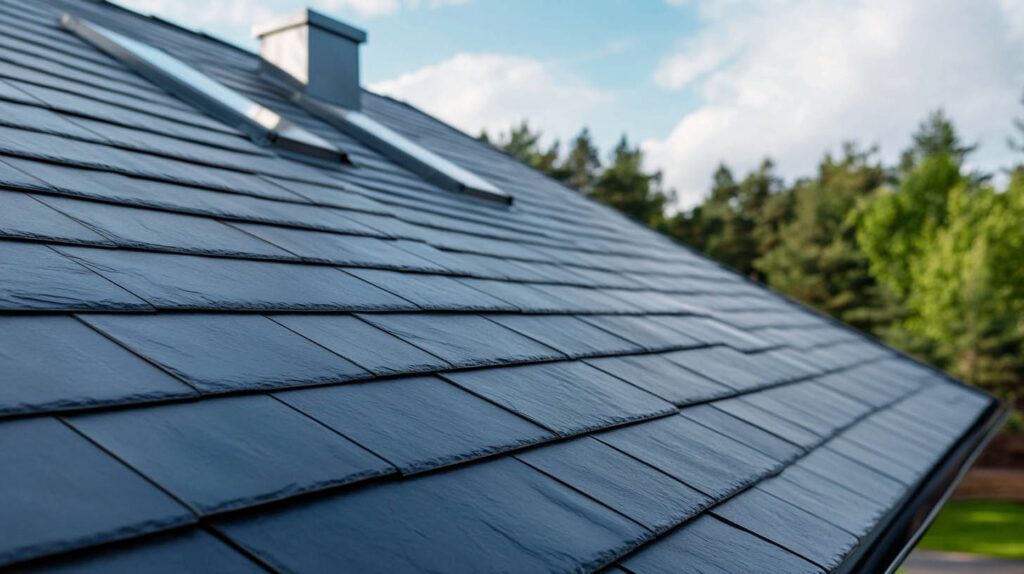
Effective winter insulation is vital for indoor comfort and energy efficiency. Different roofing materials offer varying heat retention. High thermal mass materials store heat during the day and release it at night, reducing heating costs.
Implementing effective insulation strategies, like reflective coatings and proper ventilation, enhances energy efficiency. Well-insulated homes minimize heat loss, leading to lower utility bills in winter. By choosing roofing materials with high thermal resistance, homeowners can save significantly while lowering their carbon footprint. Prioritizing appropriate material choices ensures warmth and comfort throughout the season.
Specialty Roofing Options and Their Advantages
Specialty roofing materials can reduce energy bills and promote sustainability. Consider green roofs and solar reflective roofs.
Green roofs provide natural insulation, minimizing heat transfer and lowering energy usage for cooling and heating. They also improve air quality. Solar reflective roofs deflect heat away from your home, saving money in hot or variable climates. Both options enhance energy efficiency, benefit the environment, and offer long-lasting versatility.
Green Roofs and Their Role in Insulation
A green roof is an innovative solution that enhances insulation and offers environmental benefits. By using living vegetation, it creates a natural barrier against heat transfer, reducing heat absorption in warmer months. The soil and plants promote ventilation and air circulation, helping to regulate indoor temperatures.
Additionally, green roofs lower energy costs by reducing reliance on HVAC systems for cooling and heating. They mitigate heat buildup, leading to lower cooling expenses in summer. In urban areas, they decrease the carbon footprint, improve air quality, and support biodiversity, making them a sustainable roofing choice.
Solar Reflective Roofs: Functionality and Cost-Effectiveness
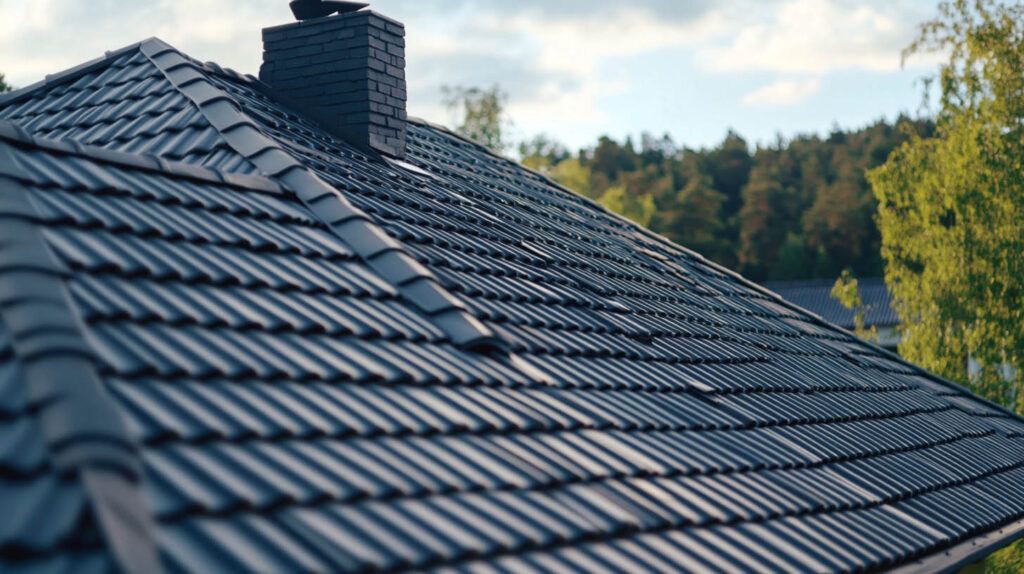
Solar reflective roofs minimize heat absorption, lowering indoor temperatures during summer. Their reflective coatings bounce off solar energy, reducing reliance on cooling systems and lowering energy bills, especially in warmer climates.
While the initial investment may be higher than traditional roofing, the long-term benefits—such as reduced cooling costs and extended roof life—often outweigh the upfront expense. These roofs enhance home energy efficiency, contributing to a more comfortable living environment and a smaller carbon footprint.
Professional Installation and Maintenance
Choosing the right roofing materials is just one part of achieving optimal energy efficiency; proper installation is crucial for maximizing reflective properties and overall effectiveness. Professional roofers ensure adequate ventilation and air circulation, essential for reducing heat transfer and maintaining indoor comfort.
Regular maintenance is also vital for sustaining energy savings. Inspections should focus on the integrity of reflective coatings and potential heat buildup from debris or damage. Promptly addressing these issues can lead to significant utility bill savings, even in varying weather conditions. Investing in professional services ensures your roof operates efficiently, minimizing heating and cooling costs year-round.
Importance of Expert Installation for Maximum Efficiency
Expert roofing installation is crucial for maximizing a home’s energy efficiency. Proper techniques ensure effective ventilation and insulation, significantly impacting heat transfer in summer and winter. Skilled professionals understand the properties of materials, like reflective coatings, which affect heat absorption and indoor temperatures.
Additionally, expert installation reduces air leakage and enhances HVAC performance, lowering energy consumption and utility bills. This investment not only saves energy but also extends the roofing system’s lifespan, reducing environmental impact. While professional installation may have a higher upfront cost, the long-term benefits of improved energy efficiency and comfort far outweigh this expense.
Regular Maintenance Tips to Sustain Energy Savings
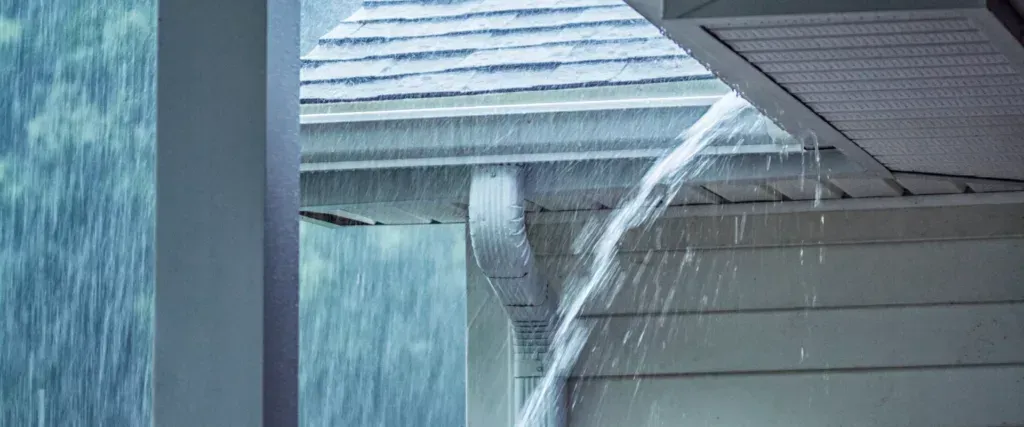
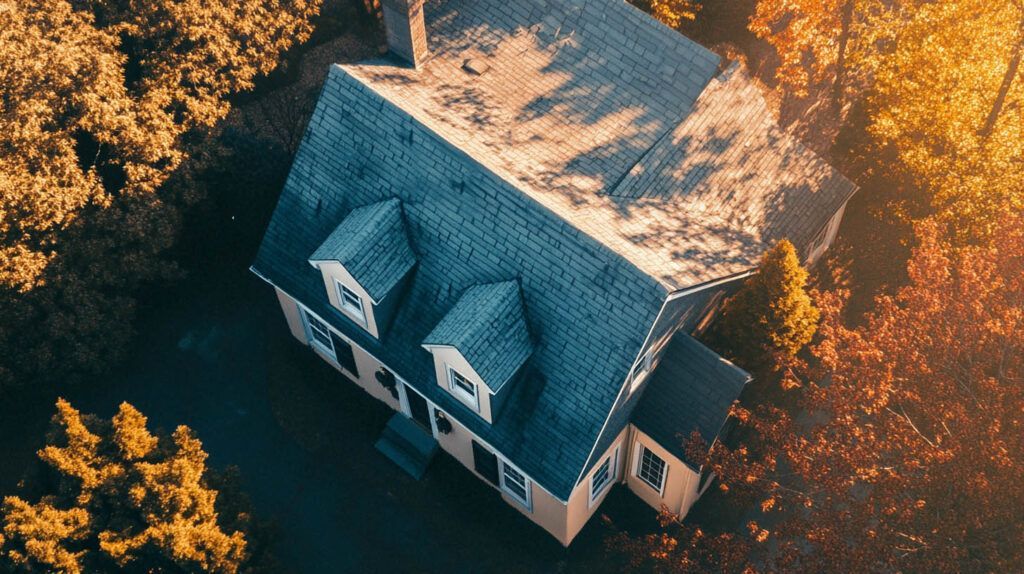
Routine maintenance of roofing materials is vital for long-term energy savings. Keep gutters and downspouts clear to prevent water buildup, which can cause damage and higher cooling costs. Regular inspections can detect early signs of wear, allowing timely repairs that reduce heat absorption and improve reflective properties.
Consider applying reflective coatings to extend the life of your energy-efficient roof. Proper ventilation helps regulate indoor temperatures, minimizing reliance on HVAC systems in summer. Additionally, regularly trimming overhanging branches reduces debris and promotes air circulation. These practices enhance roof longevity while lowering utility bills and carbon footprint.
Connect With Us
Choosing the right roofing materials can lead to significant energy savings, benefiting both finances and comfort. At 180 Contractors Roofing & Siding in Troy, MI, we understand that efficient materials lower energy bills and enhance insulation and heat reflectance. Homeowners should consider factors like ventilation and light colors to maintain optimal indoor temperatures, especially during hot summers. Additionally, the environmental impact of roofing options is important. Our team recommends selecting materials with high solar reflectance and low heat absorption, such as metal or green roofs, to reduce a home’s carbon footprint and promote sustainability.
Read our blog: DIY Roof Repairs: When to Tackle Them and When to Call a Pro
Frequently Asked Questions
How significantly can the right roof material reduce energy bills?
The right roofing material can significantly lower energy bills by enhancing insulation and minimizing heat absorption. Efficient materials reflect sunlight, reducing cooling costs in summer and retaining warmth in winter, ultimately leading to substantial savings on monthly energy expenses.
What is the most energy-efficient material for colder climates?
For colder climates, materials like asphalt shingles and metal roofing provide excellent insulation and durability. Additionally, incorporating reflective coatings can help reduce heat loss, making them effective choices for maintaining energy efficiency during winter months. Consider local climate conditions when selecting materials.
GET A FREE QUOTE
We will get back to you as soon as possible.
Please try again later.
Recent Posts