Roof leaks are one of the most common and frustrating issues homeowners face. They’re often discovered at the worst possible moment—during a rainstorm or after water has already caused visible damage inside the home. In Bloomfield Hills, MI, where roofs face a yearly cycle of snow, ice, rain, and wind, knowing the root causes of roof leaks is essential to keeping your home safe, dry, and structurally sound.
By understanding the most common culprits, you can spot warning signs early and prevent small issues from turning into costly problems. And when leaks do happen, turning to an experienced local contractor like 180 Contractors Roofing & Siding ensures you receive accurate diagnostics and high-quality repairs backed by trusted service.
1. Damaged or Missing Shingles
The most visible and frequent cause of roof leaks is missing or broken shingles. High winds, hail, or years of exposure to the elements can cause shingles to crack, curl, or fall off completely. Once the protective top layer is compromised, water can easily find its way underneath and reach the roof deck.
In Bloomfield Hills, where seasonal storms are common, even a few missing shingles can spell trouble—especially if left unrepaired through the winter months.
2. Flashing Failures
Flashing is the thin metal installed around roof penetrations and joints—like chimneys, skylights, valleys, and vents—to direct water away from vulnerable areas. When flashing becomes loose, rusted, or improperly sealed, it creates a direct path for water intrusion.
Leaks around the chimney or roof valleys are often due to flashing problems. Regular inspections are key to ensuring flashing remains tight, rust-free, and sealed correctly.
3. Ice Dams
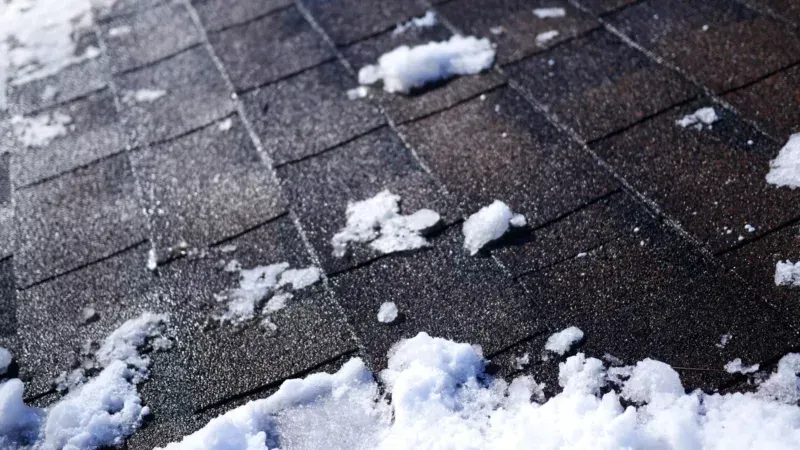
During Michigan winters, ice dams are a leading cause of roof leaks. They form when warm air in the attic melts snow on the roof, which then refreezes at the eaves. This ice buildup prevents proper drainage, causing water to pool behind it. That water can eventually back up under the shingles and into your home.
Proper attic insulation and ventilation can help regulate temperatures and reduce the likelihood of ice dams forming.
4. Clogged Gutters
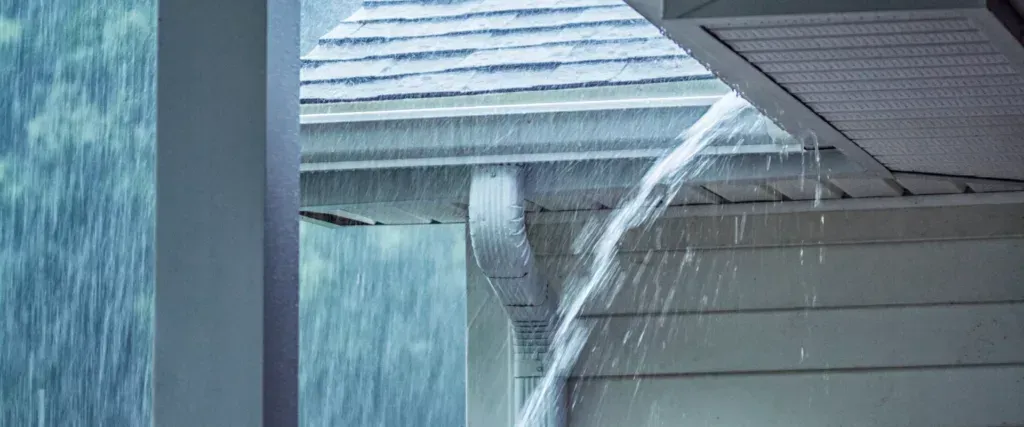
Gutters are designed to direct water off your roof and away from your home. When they’re clogged with leaves, twigs, or debris, water can overflow and seep under your shingles or down into the soffit and fascia.
This leads to slow-developing leaks that may go unnoticed until interior staining, mold, or drywall damage appears. Keeping gutters clean and functional is one of the easiest ways to protect your roof from water infiltration.
5. Poor Roof Ventilation
A well-ventilated attic helps regulate temperature and humidity levels. Without proper airflow, heat and moisture build up beneath the roof deck, leading to premature aging of shingles, rot, and mold growth—all of which can contribute to leaks.
Ventilation problems often go undiagnosed until a leak becomes apparent, making it vital to have your attic and ventilation system assessed by professionals during routine inspections.
6. Cracked Roof Vents and Pipe Boots
Roof vents, plumbing vent pipes, and other protrusions are common weak spots. These areas are sealed with rubber boots or caulking that can crack over time due to sun exposure or temperature swings.
If you notice water stains near your bathrooms or laundry room ceiling, the culprit could be a deteriorated pipe boot that’s letting water in around a vent stack.
7. Skylight and Chimney Leaks
While skylights bring in natural light, they’re also prone to leaking if not properly installed or sealed. Likewise, chimneys can leak due to deteriorated mortar joints, cracked crowns, or faulty flashing. Because these features penetrate the roof surface, they must be meticulously maintained to prevent water intrusion.
In older homes around Bloomfield Hills, these elements can be particularly vulnerable due to age and weather exposure.
8. Aging Roof System
Even if there’s no visible damage, roofs naturally degrade over time. The materials lose their waterproofing abilities, fasteners can loosen, and sealants break down. If your roof is over 20 years old, small leaks could be a sign that the entire system is reaching the end of its life.
Scheduling a professional inspection will help determine whether repairs are sufficient or if it’s time to start planning for a full replacement.
Why Fast Action Matters
Even a small leak can escalate quickly. Water doesn’t just stay in one place—it can travel along rafters, joists, and insulation, causing damage far from the original entry point. This can lead to:
- Interior ceiling and wall damage
- Mold and mildew growth
- Structural rot
- Increased energy bills from compromised insulation
Addressing leaks early saves money and protects your home’s long-term value.
Partner With Local Roofing Experts
When it comes to diagnosing and repairing roof leaks, experience and local knowledge matter. In Bloomfield Hills, MI, 180 Contractors Roofing & Siding has earned a reputation for quick response times, accurate leak detection, and long-lasting repair solutions.
Backed by a BBB A+ rating, Guildmaster recognition, and certification as an Owens Corning Preferred Contractor, they bring peace of mind to every project.
Read also our blog:
Are Missing Roof Shingles a Big Problem?