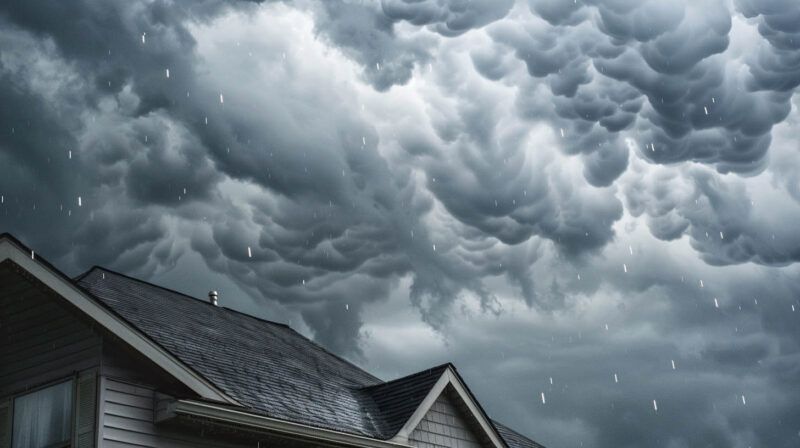
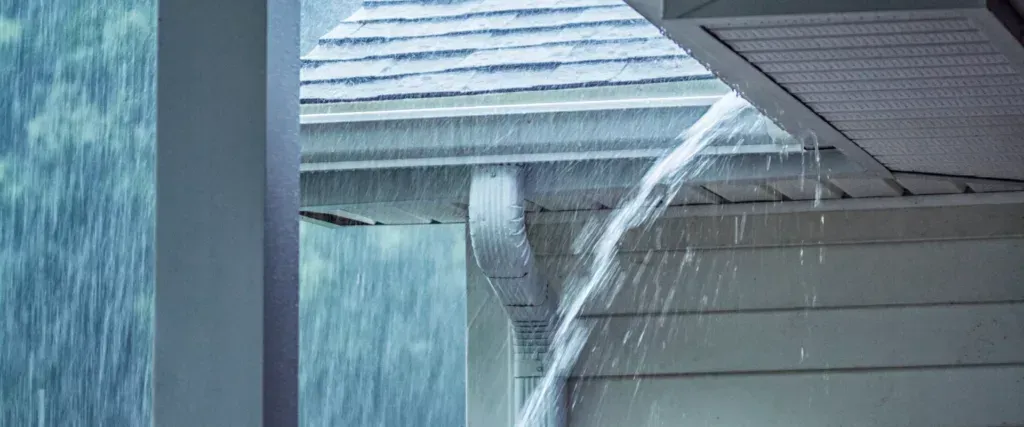
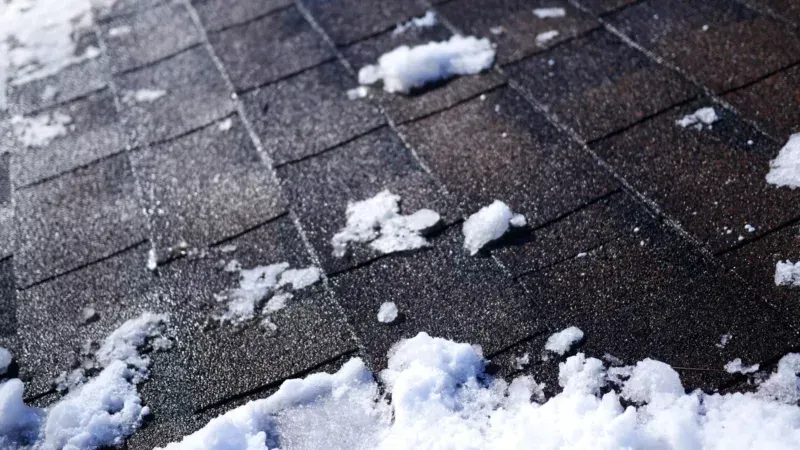
Living in Waterford, MI, homeowners are no strangers to unpredictable weather patterns, especially hailstorms that can strike without much warning. Hail can inflict significant damage on your roof, often going unnoticed until it’s too late. That’s why conducting a thorough roof inspection after a hailstorm is not just a recommendation—it’s a necessity.
At
180 Contractors Roofing & Siding, we believe that early detection of hail damage can save homeowners thousands in repair costs and extend the lifespan of their roofing system. This blog provides expert insight into how to perform an effective post-storm roof inspection, what to look for, and when it’s time to bring in professionals.
Understanding Hail Damage: It’s More Than Just Dents
Most homeowners imagine shattered windows or dented siding when thinking of hail damage, but your roofing system often takes the brunt. The issue with hail damage is its deceptive nature. Even small hailstones can loosen or crack shingles, displace protective granules, and expose the underlayment to moisture, leading to long-term structural issues. In areas like Waterford, where hailstorms are a seasonal hazard, ignoring these signs can compromise your home’s integrity.
Where to Begin: Exterior Roof Inspection Essentials
After a hailstorm, safety comes first. Start your inspection from the ground using binoculars or a drone if available. Look for displaced shingles, granule buildup in your downspouts, or unusual wear around vents, skylights, and flashing. If it’s safe and you’re comfortable climbing, a closer inspection reveals more details. Key signs to watch for include:
- Soft spots or bruising on shingles
- Cracks or splits in the roofing material
- Exposed or damaged underlayment
- Dents in metal flashing or gutters
These may appear minor but are indicators of deeper problems that can escalate with time.
Don’t Forget the Attic and Ceiling
Sometimes, hail damage doesn’t present externally. Water intrusion can start small—perhaps just a faint stain on your ceiling or a musty odor in the attic. Check your attic insulation for dampness, and inspect ceilings for discoloration or peeling paint. These can be early signs of a leak initiated by compromised shingles.
Why Quick Action Is Critical
Delaying a post-storm inspection is a risky gamble. The longer hail damage goes unnoticed, the greater the risk of interior damage, mold growth, and costly repairs. Moreover, most homeowners insurance policies have time limits for filing hail-related claims. Immediate documentation and assessment are vital to ensuring your claim is processed efficiently.
DIY vs. Professional Inspections: Know the Difference
While homeowners can perform a preliminary check, professional inspectors bring a trained eye and equipment that can detect subtle damage invisible to the untrained observer. Thermal imaging, moisture meters, and detailed photo documentation are all part of a professional’s toolkit.
Having an expert assessment from a trusted local contractor like 180 Contractors Roofing & Siding also adds credibility when filing insurance claims.
Prevention Tips: Fortifying Your Roof Before the Next Storm
Although we can’t stop hail, we can certainly prepare for it. Investing in impact-resistant shingles—like those offered by Owens Corning, a brand we proudly work with—can significantly reduce the likelihood of future hail damage. Regular maintenance, trimming overhanging branches, and annual professional inspections further safeguard your roof’s resilience.
Conclusion: Stay Proactive, Stay Protected
Your roof is your home’s first line of defense, especially during Michigan’s storm season. A prompt, thorough inspection after hail events ensures small issues don’t escalate into major repairs or replacements. Prioritize safety, understand what to look for, and know when to call in the pros.
Read also our blog:
Roofing and Your Wallet: Understanding the Financial Side of Repairs