Creative and Practical Ways to Use Leftover Siding
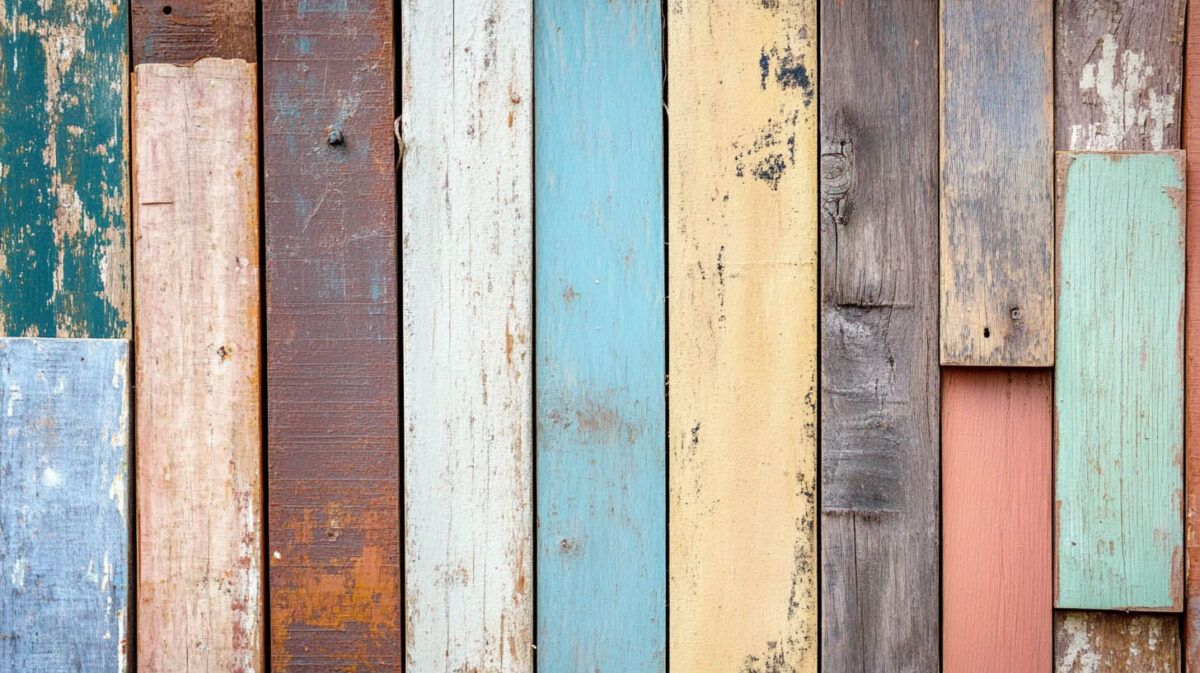
After completing a siding project, homeowners often find themselves with extra materials. Instead of letting these valuable materials collect dust in storage, repurposing them for creative and functional projects can enhance your home and outdoor spaces. Leftover siding—whether vinyl, fiber cement, or wood—offers durability, weather resistance, and aesthetic appeal, making it perfect for various DIY applications.
1. Build a Custom Birdhouse with Leftover Siding
A birdhouse made from leftover siding not only adds charm to your garden but also provides shelter for local birds. Fiber cement or vinyl siding offers excellent weather resistance, ensuring the birdhouse lasts for years.
Steps to Create a Siding Birdhouse:
- Cut siding panels to form the front, back, sides, and roof.
- Drill a small entrance hole (1.5 inches for bluebirds, 1.75 inches for robins).
- Use galvanized nails or screws to assemble the structure.
- Add ventilation holes and drainage at the bottom.
- Paint or decorate to match your home’s exterior.
This project not only recycles leftover materials but also creates a stylish and durable birdhouse that blends seamlessly with your home’s design.
2. Construct a Backyard Chicken Coop
For homeowners interested in raising chickens, using leftover siding to build a chicken coop provides an excellent opportunity to create a sturdy, insulated structure. Fiber cement and vinyl siding are both pest-resistant and weatherproof, protecting chickens from extreme temperatures and predators.
Key Benefits of Using Siding for a Chicken Coop:
- Durability: Fiber cement and vinyl siding resist moisture, preventing rot and mold.
- Easy Maintenance: Smooth surfaces make cleaning simple.
- Weather Protection: Keeps chickens warm in winter and cool in summer.
With proper ventilation, a siding-clad chicken coop can provide a comfortable and long-lasting shelter for backyard poultry.
3. Upgrade Your Mailbox with Matching Siding
Enhancing your mailbox with leftover siding adds a touch of elegance and ensures durability. Many mailboxes deteriorate over time due to exposure to the elements, but using fiber cement or vinyl siding can extend its lifespan.
Steps to Siding a Mailbox:
- Construct a wooden or metal frame for the mailbox.
- Cut siding panels to fit around the structure.
- Attach panels with screws or adhesive, ensuring a secure fit.
- Add trim pieces for a polished look.
A mailbox clad in matching siding creates a cohesive design with your home, enhancing curb appeal and offering a durable, weather-resistant exterior.
4. Create a Siding-Clad Garden Shed
A garden shed built with leftover siding blends beautifully with the main house while providing a functional storage solution for tools and outdoor equipment.
Advantages of a Siding-Clad Shed:
- Aesthetic Consistency: Matches your home’s exterior for a seamless look.
- Weather Resistance: Protects stored items from rain, snow, and extreme temperatures.
- Increased Property Value: A well-designed shed adds utility and appeal to the backyard.
Whether building a new shed or upgrading an existing one, repurposing siding helps achieve a professional-looking and durable finish.
5. Design a Stylish Dog House or Pet Shelter
Giving your pet a cozy and weatherproof dog house made from leftover siding ensures they stay protected in all seasons. Fiber cement and vinyl siding provide excellent insulation and protection against moisture.
Tips for Building a Siding Dog House:
- Use treated plywood for the base to prevent moisture damage.
- Cut siding panels to fit the walls and roof.
- Assemble using exterior-grade nails or screws.
- Include insulation if living in a colder climate.
- Paint or add trim for an attractive finish.
A siding-clad dog house offers a stylish and durable home for your furry friend while reducing material waste.
6. Craft Decorative Interior Wall Panels
Leftover siding can be used for interior wall décor, adding texture and dimension to rooms. Shiplap-style fiber cement siding panels can create an elegant accent wall, while vinyl siding can be used for moisture-resistant wainscoting in bathrooms or basements.
Best Interior Applications for Siding Panels:
- Fireplace Surrounds: Use siding to create a rustic or contemporary fireplace feature.
- Wainscoting: Install half-wall siding panels for a farmhouse-style look.
- Headboards: Repurpose siding panels to craft a stylish bedroom headboard.
Using siding indoors not only adds character but also provides a durable, easy-to-clean surface.
7. Construct a DIY Window Shutter Set
Leftover siding can be repurposed into decorative window shutters that enhance your home’s exterior charm. Whether used functionally or as a decorative element, shutters made from siding are weather-resistant and require little maintenance.
How to Build Window Shutters from Siding:
- Measure and cut panels to fit the window dimensions.
- Attach slats with exterior-grade screws or nails.
- Paint or stain to complement your home’s color scheme.
- Mount securely with hinges or brackets.
Siding shutters are a cost-effective way to boost curb appeal while utilizing leftover materials efficiently.
8. Build a Playhouse or Tree Fort for Kids
Using siding to construct a backyard playhouse or tree fort provides children with a durable and visually appealing outdoor structure. Fiber cement and vinyl siding offer longevity and weather resistance, ensuring the playhouse lasts for years.
Features to Include:
- A secure base made of treated wood or composite materials.
- Weatherproof siding for walls and roofing.
- Windows with shutters or trim for added charm.
- A small deck or ladder for climbing access.
This project not only provides an engaging space for children but also prevents excess siding from going to waste.
9. Use Siding for Raised Garden Beds
Raised garden beds made from siding panels provide an aesthetically pleasing and functional way to grow flowers, herbs, or vegetables.
Benefits of Using Siding for Garden Beds:
- Durability: Resistant to moisture, pests, and rot.
- Low Maintenance: Easy to clean and requires no painting.
- Attractive Design: Matches home exteriors for a cohesive landscape.
By lining raised beds with leftover siding, homeowners can create a polished and long-lasting garden setup.
Choosing a Reliable Siding Contractor
Selecting an experienced contractor ensures proper siding installation, minimizing excess material waste. 180 Contractors Roofing & Siding, located in Waterford, MI, specializes in high-quality siding solutions. As a BBB A+ accredited business, Guildmaster award recipient, INC 5000 company, Google Guaranteed provider, and a Qualified Remodeler Top 100 Satisfaction winner, we work with industry-leading brands like James Hardie, Alside, and Everlast to deliver expert craftsmanship and sustainable solutions.
FAQs About Repurposing Leftover Siding
1. Can I donate leftover siding materials?
Yes, many local charities, Habitat for Humanity, or community organizations accept building materials for home improvement projects.
2. Is fiber cement siding safe to cut and repurpose?
Fiber cement siding contains silica, so cutting should be done with proper protective equipment. Always use a dust mask and work outdoors when handling fiber cement materials.
3. How should I store leftover siding for future use?
Keep siding panels in a dry, covered space away from direct sunlight to prevent warping or fading. Store flat to avoid bending.
4. Can I sell excess siding?
Yes, homeowners can sell new or gently used siding on local marketplaces, construction resale shops, or through online platforms like Craigslist and Facebook Marketplace.
5. Does leftover siding have a resale value?
New, unopened siding panels often have resale value, especially premium materials like James Hardie fiber cement. Check with local contractors or builders who may need additional materials for projects.
Conclusion
Leftover siding presents numerous opportunities for creative, practical, and sustainable home improvement projects. Whether repurposed for outdoor structures, interior décor, or functional accessories, these materials offer durability and aesthetic appeal. Maximizing the use of leftover siding reduces waste while enhancing home features in unique and cost-effective ways.
Read also our blog:
Creative Ways to Enhance Your Home with Stone Siding
GET A FREE QUOTE
We will get back to you as soon as possible.
Please try again later.
Recent Posts