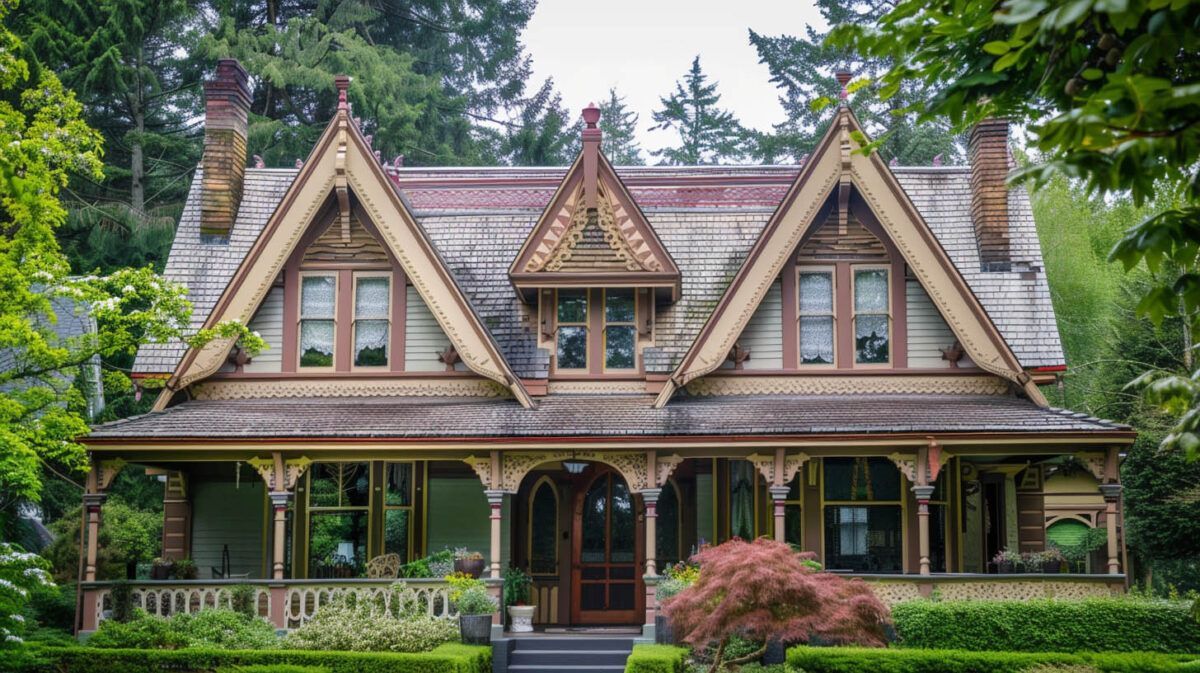
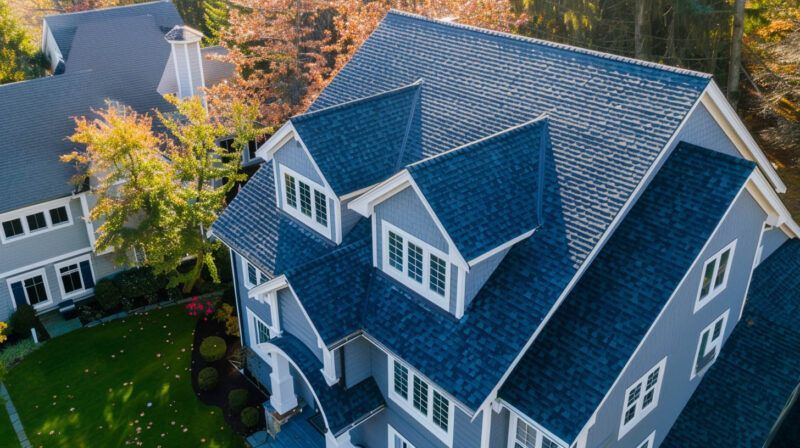
Maintaining a historic home requires special care, and the roof is one of the most critical components to preserve. In Bloomfield Hills, MI, many homes feature vintage architectural details and traditional roofing materials that require a specialized approach. Routine maintenance and thoughtful upgrades can extend the life of these roofs while preserving the home’s character. In this blog, we’ll explore essential roof maintenance tips tailored for historic properties and how 180 Contractors Roofing & Siding can help homeowners protect their investment.
Understand Your Roof’s Original Materials
Historic homes often feature roofing materials such as slate, wood shakes, clay tiles, or even metal. Each of these requires different maintenance strategies:
- Slate and tile roofs: Inspect regularly for cracks or slipping pieces
- Wood shakes: Check for rot, mold, and insect damage
- Metal: Look for rust, separation at seams, and degraded fasteners
Repairs should be made using matching materials to maintain historical accuracy and avoid compromising structural integrity.
Schedule Regular Inspections
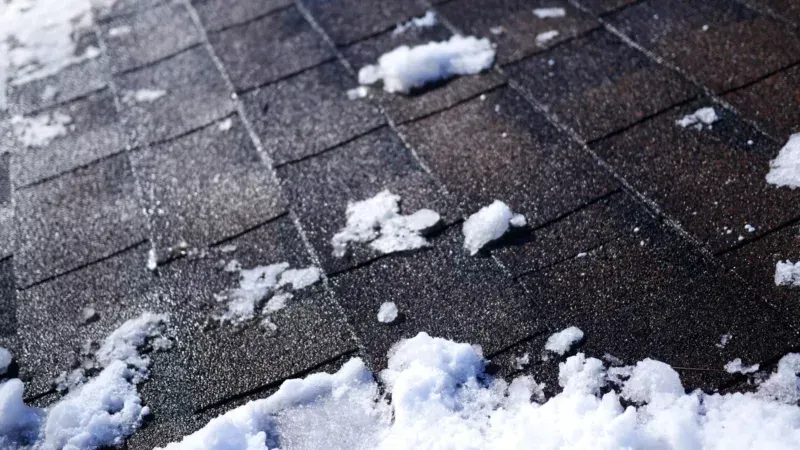
Historic roofing systems are more susceptible to age-related issues. Schedule professional roof inspections at least once a year, especially before winter and after major storms. A detailed inspection will identify signs of:
- Weather damage
- Structural weaknesses
- Failing flashing or sealants
- Moisture infiltration
A licensed professional familiar with historic roofing can recommend appropriate conservation-friendly repair techniques.
Keep Gutters and Drains Clear
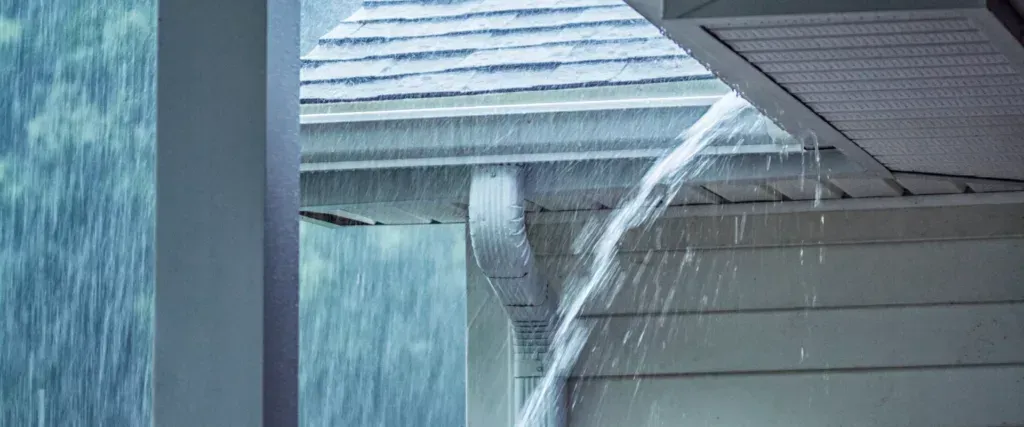
Clogged gutters lead to water backing up and seeping under shingles or tiles. In older homes with less sophisticated drainage systems, this can cause extensive interior damage. Clean gutters seasonally and install guards to reduce debris buildup.
Repair Rather Than Replace When Possible
In many cases, it’s more appropriate to repair a damaged section of a historic roof than to replace the entire system. This approach maintains the architectural integrity and is often more cost-effective. Be cautious of contractors who recommend full replacements without exploring restoration options.
Maintain Flashing and Seals
Flashing around chimneys, dormers, and valleys should be checked regularly for corrosion or lifting. Sealant deterioration is common with age, and even small gaps can lead to major leaks in older roofing structures.
Monitor Interior Ceilings and Attics
Water stains, mold growth, or musty odors in attics or upper-level ceilings can be early indicators of roof failure. Since many historic homes have attics that are not frequently used, these signs can go unnoticed without routine monitoring.
Preserve the Home’s Aesthetic
When performing maintenance or upgrades, match replacement materials with the original whenever possible. This applies to color, shape, and texture. In some cases, modern equivalents that mimic traditional styles—like composite slate or engineered shakes—can be used to preserve both look and performance.
Work With Historic Home Specialists
Roofing historic homes requires skill, experience, and a deep respect for architectural heritage. In Bloomfield Hills, 180 Contractors Roofing & Siding has extensive experience working on period properties. As an Owens Corning Preferred Contractor with a BBB A+ rating, they combine technical excellence with preservation-sensitive solutions.
Final Thoughts
Caring for a historic roof is more than a maintenance task—it’s an act of stewardship. Proper roof upkeep protects your home’s structure, safeguards its legacy, and supports long-term property value. With the right guidance, you can keep your historic home standing strong for generations.
Read also our blog:
Exploring Eco-Friendly Roofing Choices