Differences Between Commercial and Residential Metal Roofing
Metal roofing is gaining popularity for both commercial and residential properties due to its durability and efficiency. While both types offer protection, they vary in materials, designs, and construction methods. Understanding these differences is essential for choosing the right roofing system. This guide from 180 Contractors Roofing & Siding highlights these distinctions to aid your decision.
Key Characteristics of Metal Roofing
Metal roofing systems offer unparalleled durability and energy efficiency across both residential and commercial settings. However, the main differences lie in their functions. Residential roofing provides insulation and enhances curb appeal, while commercial roofing focuses on functionality, accommodating heavy equipment like HVAC systems.
In addition, different weather conditions can affect how each type of roofing performs. Residential setups often require steep slopes for water runoff, while commercial roofs, with their low slopes or flat designs, prioritize structural adaptability over aesthetic value, highlighting the major differences in their design requirements.
Common Uses in Residential and Commercial Settings
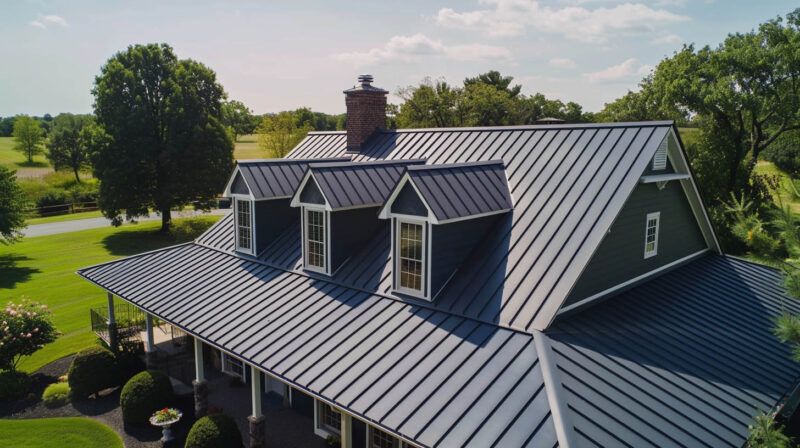
In residential applications and settings, metal roofing is favored for its aesthetic appeal and durability. Homeowners often choose standing seam roofs or metal shingles to enhance curb appeal while ensuring energy efficiency and low maintenance. These roofs provide long-lasting protection against various weather conditions.
In contrast, commercial buildings typically use larger metal panels designed for heavy foot traffic and HVAC installations. Their extensive surface area allows efficient water drainage and robust structural support for larger systems. Commercial property owners benefit from roofing systems that meet the demands of regular maintenance and durability, leading to long-term savings.
Durability and Weather Resistance
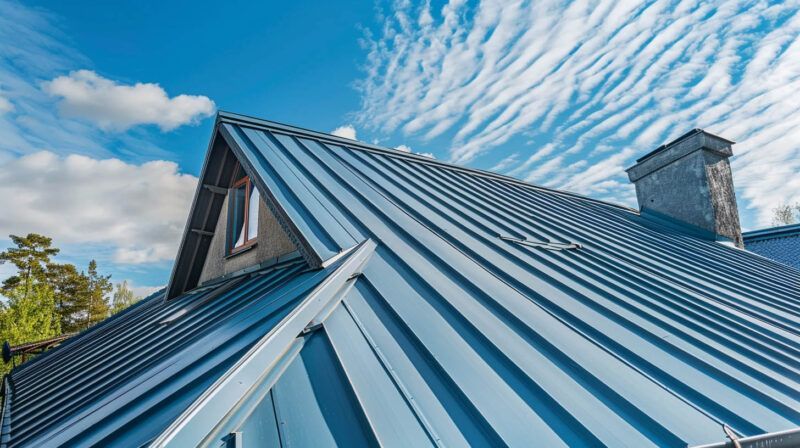
Durability is crucial in choosing a metal roof. Residential systems are designed to withstand extreme weather, effectively shedding water and resisting temperature changes to extend lifespan.
Commercial roofs take durability further, enduring continuous sun exposure and heavy equipment, making them suitable for high-traffic areas.
Both roof types feature weatherproof coatings, though the materials differ. Residential roofs prioritize longevity and energy efficiency, while commercial ones focus on functionality in demanding conditions.
Roof Design and Structural Differences
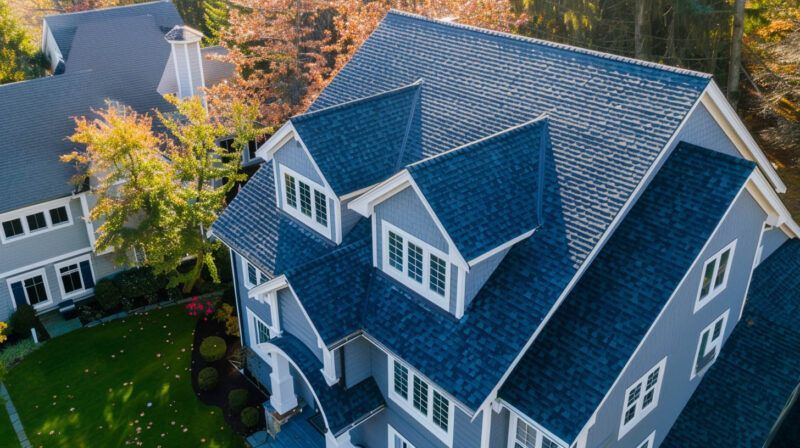
The roof’s design defines its functionality. Residential roofs are often steep-sloped, with pitches like gabled or hipped. These designs prioritize water drainage as well as an aesthetic fit for homes.
Commercial buildings, however, use flatter or low-sloped designs to accommodate larger roof decks. This allows them to hold HVAC units, solar panels, or large amounts of insulation layers. While residential designs balance form and function, commercial roofing systems focus primarily on versatility and practical load support.
Slope and Shape Variations
The slope and shape of a roof are vital for its performance. Residential roofs usually have steep or medium slopes to facilitate rainwater runoff, with designs like mansard and shed roofs enhancing functionality and curb appeal.
In contrast, commercial roofs often have minimal slopes or are flat, which saves costs for large areas and simplifies equipment installation, such as HVAC units and skylights. This design also lowers material expenses.
However, flat roofs need careful planning for drainage. Internal drains or scuppers must be included to prevent ponding and leaks. Proper attention to slope ensures effective performance for both residential and commercial roofs.
Building Size and Load Requirements
Building size significantly impacts roofing requirements. Larger commercial projects need materials that evenly distribute weight and ensure durability, accommodating extra loads from HVAC units or skylights.
In contrast, smaller residential buildings focus on aesthetics and climate protection with lighter roofs suited for minimal loads like solar panels.
For commercial spaces, structural stability is essential, often using reinforced steel or EPDM membranes. Residential roofing typically features lighter materials like asphalt or metal shingles to balance form and function. Ultimately, the building size dictates load distribution needs.
Metal Roofing Materials: Commercial vs. Residential
Diverse metal roofing materials meet both commercial and residential needs, each with unique properties. In residential projects, standing seam roofs and metal panels are favored for their aesthetic appeal and energy efficiency, enhancing curb appeal while ensuring durability against weather.
In contrast, commercial properties require materials that withstand demanding conditions. Aluminum and galvanized steel are popular choices due to their structural integrity for larger surfaces and ability to support heavy foot traffic. Recognizing these differences helps property owners choose the right roofing system for longevity and optimal performance.
Popular Metal Materials for Homes
Homeowners often prioritize curb appeal and functionality when selecting residential roofing materials. Standing seam metal roofs are popular for their sleek lines and low maintenance, making them ideal for modern architecture while offering energy efficiency.
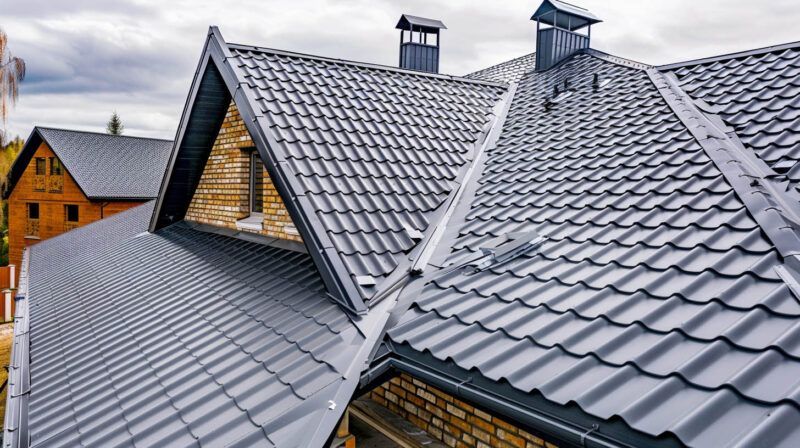
Metal shingles are another option, mimicking traditional tiles or wood while providing greater durability. They perform well in various climates, shielding homes from rain, snow, and UV rays.
For distinctive styles, copper or zinc panels are premium choices. These metals develop a patina over time, enhancing their appearance. Selecting the right metal depends on your property’s design goals and investment priorities.
Preferred Metal Options for Businesses
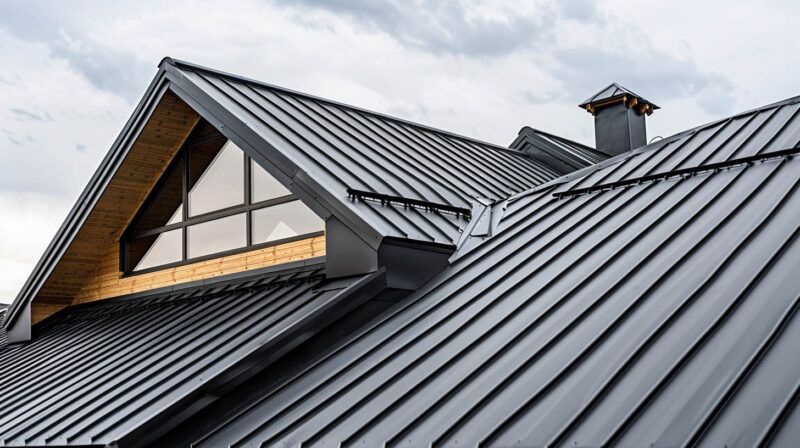
Commercial roofing materials must withstand heavy use. Metals like galvanized steel are often chosen for their durability and ability to support loads from HVAC units or solar equipment, meeting the demands of commercial spaces.
Aluminum provides a lightweight, corrosion-resistant option for office buildings. Its reflective surface enhances energy efficiency in high-demand environments.
For projects requiring extreme durability, EPDM or TPO membranes are paired with metal edging for added structural support. Each material offers distinct benefits tailored to the operational needs of office and industrial properties.
Installation Techniques and Project Timelines
Installation methods differ significantly for residential and commercial metal roofing. Residential roofers focus on efficiency while maintaining design symmetry in smaller-scale projects. Conversely, a professional roofing contractor for commercial roofing installations calls for larger crews and meticulous planning to handle heavy foot traffic and larger surface areas.
Understanding these contrasts ensures property owners hire experienced roofing contractors who can meet their specific timelines. Let’s explore detailed processes for both residential and commercial applications below.
Residential Metal Roof Installation Process
Installing a new roof requires careful coordination. Residential roofers typically begin by removing old asphalt or damaged materials to inspect the base layer. Key steps include:
- Installing moisture-resistant barriers and underlayments
- Adding standing seam metal panels or shingles
- Securing flashing to prevent leaks
- Conducting a quality check to finalize the project
A new roof installation usually takes 1-2 days, depending on the property’s size, prioritizing both aesthetics and structural integrity.
Commercial Metal Roof Installation Considerations
Commercial roofing installation requires larger crews and extended timelines due to project scale. Contractors first assess the roof deck’s strength for heavy metal panels, then apply advanced waterproof layers and insulation systems for effective temperature control. Safety measures are crucial given the heights involved in large commercial properties.
Larger teams collaborate to minimize disruption while ensuring compliance with building codes and project deadlines.
Contact Us
Understanding the key differences between commercial and residential metal roofing is crucial for informed property decisions. Each type offers unique benefits, including durability, weather resistance, and specific installation techniques. By recognizing these distinctions, you can select the right roofing solution that fits your needs and budget. At 180 Contractors Roofing & Siding, we provide top-notch services in Waterford, MI, backed by certifications and a commitment to integrity. With accolades like Owens Corning Preferred status, CertainTeed Shingle Master certification, and BBB A+ accreditation, we are dedicated to exceptional quality. Contact us today for a consultation on the best roofing options for your home or business!
Read our blog: The Critical Role of Underlayment in Metal Roofing Systems
Frequently Asked Questions
What are the main advantages of metal roofing for residential properties?
Metal roofing for residential properties offers excellent energy efficiency, reduced utility bills, and improved curb appeal. It also requires low routine maintenance and provides enhanced durability against changing weather conditions, ensuring long-lasting protection for your home.
How does metal roofing benefit commercial buildings?
Commercial roofs gain significant advantages from metal roofing, such as exceptional durability and thermal resistance. These systems improve energy efficiency in large commercial buildings, accommodate HVAC units, and demand less maintenance over time, resulting in lasting cost savings.
GET A FREE QUOTE
We will get back to you as soon as possible.
Please try again later.
Recent Posts