Spotting Poor Metal Roof Installations: Red Flags to Watch
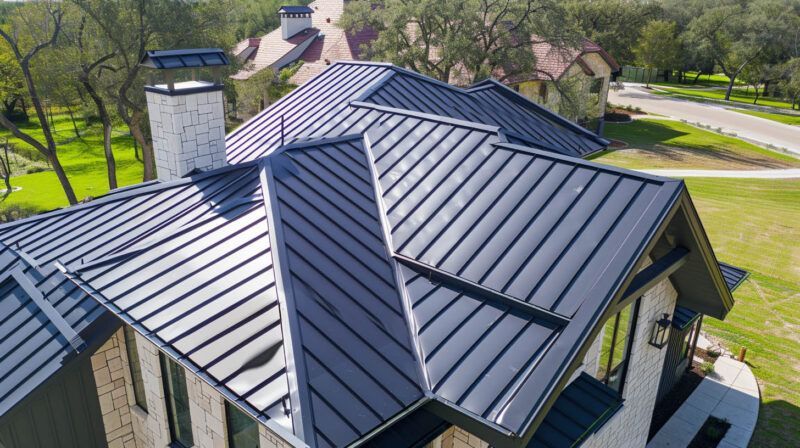
Metal roofing is popular for its durability and modern appeal, but poor installation can sabotage these benefits. Neglecting warning signs during a roof inspection, such as visible damage or improper alignment, can lead to significant long-term problems. Over time, these issues can result in water damage, structural issues, and costly repairs. At 180 Contractors Roofing & Siding, we make it our mission to educate homeowners in Troy, MI, on how to spot installation mistakes. Let’s explore the red flags and secure the longevity of your roof.
Why Paying Attention to Metal Roof Installation Quality Matters
Ignoring quality during a metal roof installation could lead to more than cosmetic hiccups. Subpar workmanship can expose your home to water damage, skyrocketing energy bills, and instability in extreme weather conditions. Hiring professionals certified in trusted brands like Owens Corning and CertainTeed ensures peace of mind.
A quality installation protects your home for decades, boosts its value, and reduces the need for constant fixes. Why settle for less when your home deserves reliable safeguards against the elements? It’s time to prioritize quality in every detail.Protecting Your Home’s Value and Safety
Your roof does more than provide shelter; it protects your home’s structure against high winds. A poorly installed metal roof can cause hidden damage that worsens over time, leading to water infiltration and compromising support beams.
Signs like sagging lines or rust spots should not be ignored, as they can result in costly repairs or full replacement. Recognizing these issues early and seeking professional help is essential.
A well-maintained roof safeguards both your home’s structure and market value. A strong, professionally installed new roof attracts buyers and enhances aesthetics. Stay vigilant for warning signs to prioritize your home’s safety and value.
Avoiding Costly Repairs and Future Headaches
Neglecting poor roof installations can lead to significant issues. Small problems like misaligned panels or loose fasteners may escalate into severe leaks, water stains, or mold.
Regular inspections by certified roofing professionals can catch problems early, preventing major financial strain. Think of it as a proactive investment in your home—an inspection can identify small gaps before they cause extensive damage.
Additionally, unaddressed roofing issues can increase energy inefficiencies and utility bills. Catch red flags early to avoid further complications. Trust experienced contractors like 180 Contractors Roofing & Siding to keep your roof in top condition and maintain your peace of mind.
Common Causes of Poor Metal Roof Installations
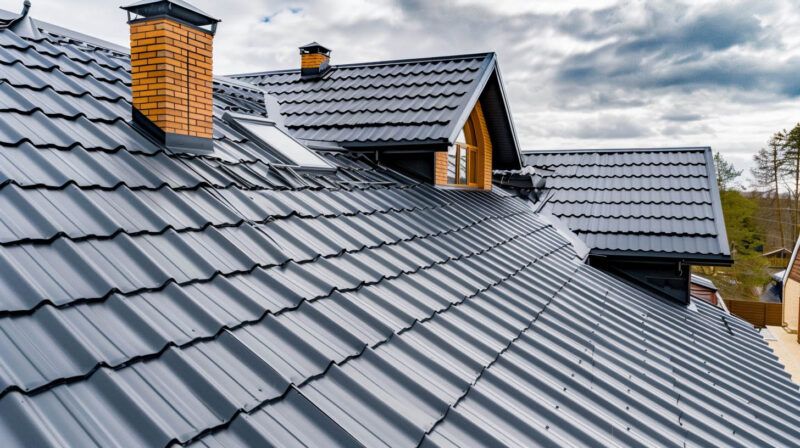
Poor metal roofing jobs often point to three main culprits—unqualified contractors, substandard materials, and ignoring manufacturer guidelines. These oversights might not be obvious immediately, but they pose a major red flag for future issues.
Partnering with experienced roofing professionals who adhere to industry standards is your first line of defense. A quality installation isn’t just about looks; it’s about longevity and effectiveness, especially when considering the age of your roof. Let’s explore these causes in more detail to understand how they compromise your home’s durability.
Unqualified or Inexperienced Contractors
Not all contractors can handle metal roof installations. Inexperienced workers may cause leaks, uneven panels, and other issues. Certified professionals ensure every detail—from fasteners to ventilation—is flawless. For instance, incorrect panel angles can compromise water resistance and lead to damage. When selecting a roofing contractor, look for certifications like Owens Corning Preferred, CertainTeed Shingle Master, and BBB A+ accreditation for quality assurance. Additional recognition from Guildmaster (Guildquality), INC 5000, Google Guaranteed, and Qualified Remodeler top 100 satisfaction further indicates reliability. Avoid future repairs by partnering with trusted experts like 180 Contractors Roofing & Siding.
Cutting Corners with Low-Quality Materials
Even the best craftsmanship can’t make up for low-quality roofing materials. A red flag is contractors using substandard supplies to save costs; while cheap options may seem attractive, they compromise durability and lead to expensive repairs.
Trusted brands like CertainTeed and Owens Corning ensure longevity and reduce weather-related damage. In contrast, low-grade materials are prone to rust, leaks, and poor insulation.
Always verify your roofing materials. Quality protects your home and enhances its aesthetic appeal and resale value. At 180 Contractors Roofing & Siding, we use only industry-leading brands to ensure your home gets the results it deserves.
Ignoring Manufacturer Guidelines
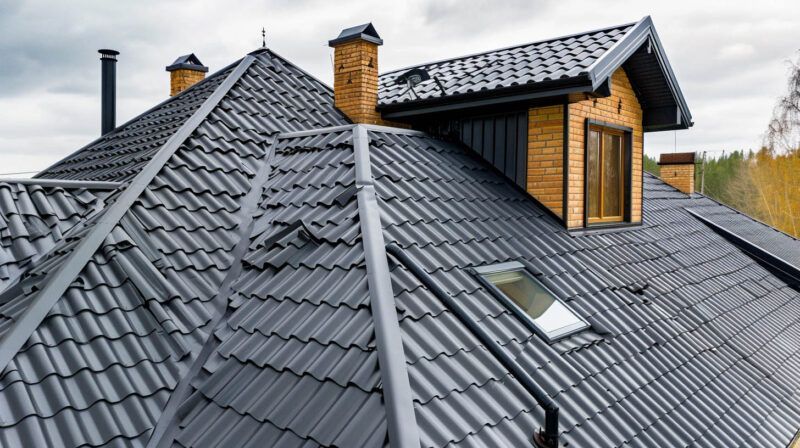
A crucial yet often overlooked red flag is ignoring manufacturer guidelines. Roofing systems come with specific installation instructions that ensure effectiveness and longevity. Skipping warranty steps can lead to avoidable issues.
Improper installation voids warranties, making you liable for maintenance or defects. For example, poorly sealed seams can cause small leaks that worsen over time. Contractors who cut corners jeopardize the roof’s integrity.
To protect your investment, work with professionals who adhere to every detail of the manufacturer’s guidelines, especially in commercial roofing. At 180 Contractors Roofing & Siding, we prioritize transparency and diligence to safeguard your home for years.
Exterior Red Flags for Faulty Metal Roof Installations
Several warning signs can help identify faulty metal roof installations. Noticeable gaps between panels can indicate poor alignment, leading to water damage over time. Additionally, areas showing rust, corrosion, or premature paint failure suggest inadequate materials or installation practices, increasing the likelihood of costly repairs. It’s a good idea to address uneven or sagging roof lines as they may point to structural issues that require immediate attention. Early action is vital for maintaining the integrity of your home’s structure and avoiding further damage. Regular inspections can catch these red flags before they escalate.
Visible Gaps or Misaligned Panels
Visible gaps or misaligned panels are glaring warning signs of subpar metal roof installations. Such irregularities can lead to serious problems like leaks, allowing moisture to infiltrate your home’s structure. Additionally, these imperfections often compromise energy efficiency, resulting in higher energy bills and increased wear on your roofing system. Over time, the consequences of these alignment issues can escalate, necessitating costly repairs or even a full roof replacement. Regular inspections can help catch these red flags early, ensuring peace of mind and the longevity of your investment.
Rust, Corrosion, or Premature Paint Failure
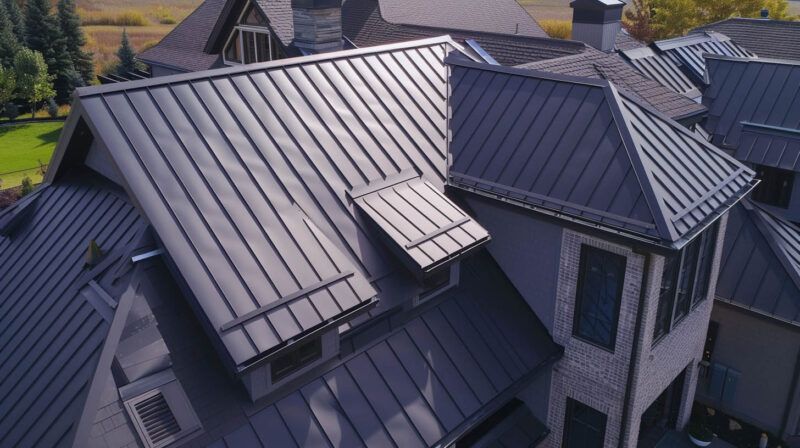
Rust and corrosion on a metal roof are alarming indicators of installation mistakes or inadequate routine maintenance. These warning signs can lead to costly repairs if left unaddressed, compromising the structural integrity of your home. Premature paint failure can occur due to poor quality materials or improper application, exposing metal surfaces to damaging UV rays and moisture. Regular inspections and prompt action are essential to prevent extensive deterioration, ensuring your roofing system remains resilient against extreme weather and prolonging its lifespan.
Interior Signs of Metal Roof Installation Mistakes
Signs of installation mistakes often manifest themselves within your home. Water stains or leaks on ceilings can indicate that your metal roof may have been improperly installed, leading to potential water damage and the costly repairs associated with it. By regularly checking for signs of water damage, you can identify these issues early. Additionally, the presence of mold and mildew, especially in attic insulation, can point to poor ventilation or water intrusion due to faults in the roofing system. Early identification of these issues is crucial to prevent further structural damage and ensure your home’s integrity remains intact.
Water Stains or Leaks on Ceilings
Water stains or leaks on ceilings serve as significant warning signs of potential metal roof installation errors. These telltale signs often indicate underlying issues such as improper sealing or inadequate flashing, leading to water damage and costly repairs. A small leak can rapidly escalate, resulting in extensive damage to your home’s structure and insulation, potentially signaling that your roof is nearing the end of its lifespan. Regular inspections can help catch these problems early, providing peace of mind against further damage. Addressing water stains promptly ensures that your roof remains in good condition and safeguards against serious structural issues.
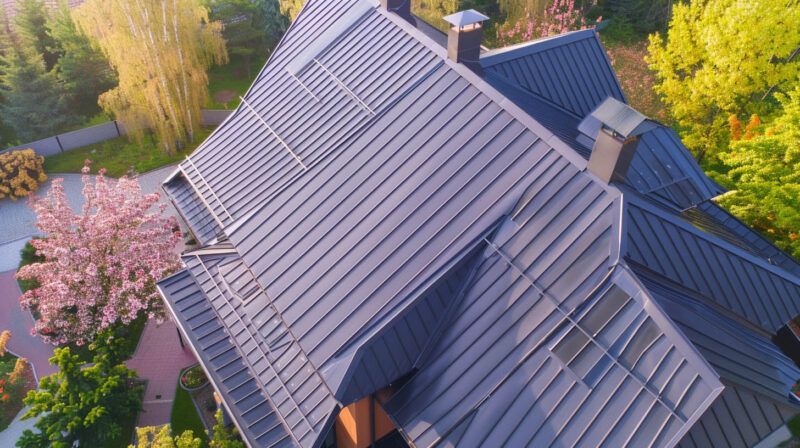
Mold, Mildew, or Damp Attic Insulation
Signs of mold, mildew, or damp attic insulation can indicate serious problems with your metal roof installation, especially during the colder months. These issues often stem from poor ventilation and inadequate sealing, allowing moisture to accumulate. Left unchecked, mold growth can not only compromise your roof’s integrity but also lead to structural damage and health risks. Regular inspections are crucial for identifying these warning signs early on. Ensuring proper underlayment and ventilation techniques during installation can prevent costly repairs and maintain your home’s energy efficiency, providing peace of mind for you and your family.
Problems With Fasteners, Flashing, and Seams
Fasteners, flashing, and seams play crucial roles in the durability of a metal roof. Loose, overdriven, or missing fasteners can lead to leaks, compromising the integrity of your home during strong winds. Furthermore, poorly installed or damaged flashing creates pathways for water infiltration, ultimately resulting in expensive repairs. Open, exposed, or improperly sealed seams are major red flags that can cause serious problems, including mold growth and structural damage. Regular inspections by roofing professionals can help identify these issues early, providing peace of mind and saving you from costly repairs down the line.
Loose, Overdriven, or Missing Fasteners
Fasteners play a crucial role in ensuring the stability of a metal roof. Loose, overdriven, or missing fasteners can become serious red flags, potentially leading to costly repairs. These issues may allow water to infiltrate, resulting in water damage, mold growth, or even structural damage over time. Regular inspections can help identify these problems early, ensuring your roofing system remains secure and intact. Maintaining proper fastener integrity not only enhances energy efficiency but also provides peace of mind against harsh weather conditions.
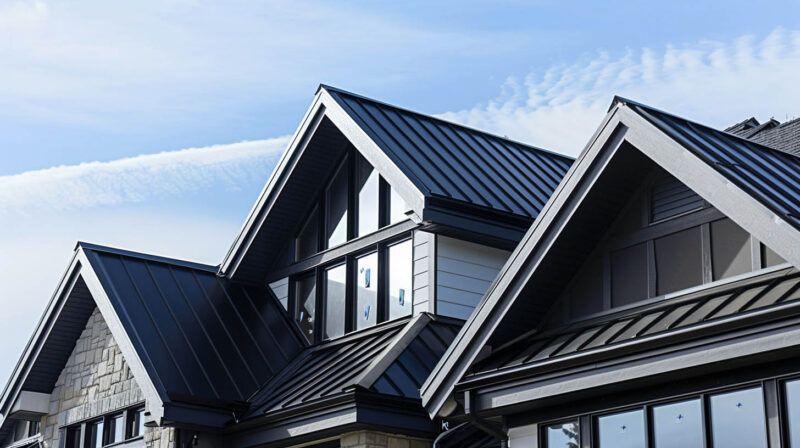
Poorly Installed or Damaged Flashing
Flashing plays a crucial role in protecting your roof from water damage, directing moisture away from critical areas such as chimneys and vents. Poorly installed or damaged flashing can lead to serious problems, including roof leaks and extensive water damage. It’s essential to inspect for gaps or bent areas in the flashing, which can act as red flags signaling potential issues. Addressing these small concerns early on can prevent costly repairs down the line and ensure the longevity of your roofing system.
What Sets a Professional Metal Roof Installation Apart
Attention to detail and quality materials are pivotal for a successful metal roof installation. Professionals typically employ proper underlayment and ventilation techniques, ensuring energy efficiency and longevity in the roofing system. Clean workmanship is another hallmark of top-tier roofing contractors, which translates to fewer red flags and potential issues down the road. Utilizing trusted brands like CertainTeed and Owens Corning guarantees materials that stand up against weather extremes, ultimately safeguarding the home’s structure and providing peace of mind, as well as warranty information for the installed roof.
Proper Underlayment and Ventilation Techniques
Crucial to the longevity of a metal roof, underlayment plays a vital role in safeguarding against moisture intrusion and enhancing energy efficiency. Appropriate underlayment provides a barrier against water damage and supports your roofing material, contributing to a stable and durable roofing system. Ventilation, on the other hand, reduces heat buildup, preventing premature wear and potential mold growth in the attic. By ensuring a well-ventilated space, you can maintain optimal temperatures and extend the lifespan of your roof, making it an essential consideration for any roofing project.
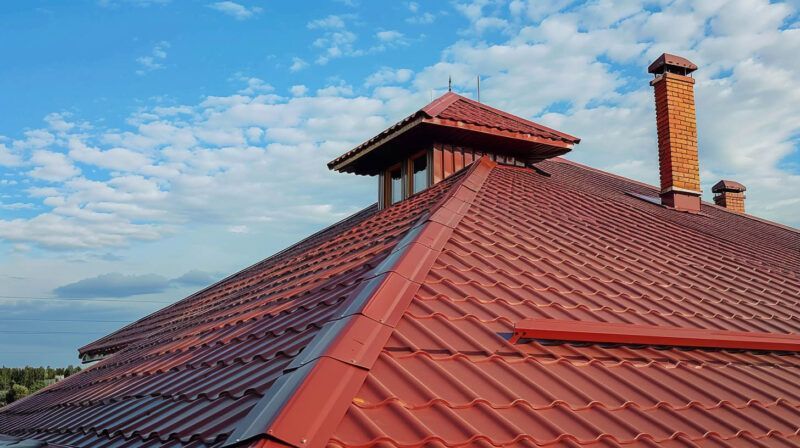
Clean Workmanship and Attention to Detail
A well-executed metal roof installation is characterized by clean workmanship and meticulous attention to detail. This means ensuring that every panel is aligned correctly, with no visible gaps that could lead to leaks or water damage. Observing the roof’s overall appearance, including uniform seams and secure fasteners, is essential. A roofing contractor who prioritizes these factors not only enhances the aesthetic appeal of the home but also strengthens the roof’s performance against extreme weather. Consistent quality in every aspect reduces the likelihood of costly repairs in the future.
In Summary
Recognizing the warning signs of poor metal roof installations is crucial for maintaining the integrity of your home. Addressing issues such as visible damage, rust, and ventilation problems early can save homeowners from costly repairs in the future. Regular roof inspections provide peace of mind and help identify potential problems before they escalate. By prioritizing quality materials and skilled labor, you not only enhance your roof’s durability but also improve energy efficiency. Careful attention to these details ultimately protects your home’s structure and its occupants, serving as your best defense against roofing issues.
Frequently Asked Questions
How can I tell if my metal roof was installed incorrectly?
Look for signs like visible gaps, misaligned panels, or rust. Inside, check for water stains on ceilings or damp insulation. Any loose fasteners, damaged flashing, or open seams can indicate poor installation and potential storm damage. These issues should prompt an inspection by a professional.
Is it possible to fix a bad metal roof installation?
Yes, a bad metal roof installation can often be fixed. Depending on the specific issues, repairs may include resealing seams, replacing damaged panels, or addressing fastener problems. Consulting with a professional roofer is essential to determine the best course of action for effective corrections.
Read our blog:
Differences Between Commercial and Residential Metal Roofing
GET A FREE QUOTE
We will get back to you as soon as possible.
Please try again later.
Recent Posts