DIY Roof Repairs: When to Tackle Them and When to Call a Pro
Homeowners often grapple with the decision between tackling roof repairs themselves or seeking professional assistance. At 180 Contractors Roofing & Siding, located in Waterford, MI, we understand the nuances of roof maintenance, which is essential for preserving the longevity of your home. With proper evaluations, minor issues can often be handled through a DIY approach, giving you a sense of accomplishment and saving costs. However, not all repairs are suited for novice hands. Identifying warning signs like widespread shingle damage or leaks demands an informed perspective. Engaging our professional roofing services at 180 Contractors ensures that significant damage is addressed correctly, thus avoiding costly repairs down the line.
Evaluating Your Roof’s Condition
A thorough evaluation of your roof’s condition is vital for effective DIY roof repairs. Begin with a visual inspection from a safe distance, looking for warning signs such as missing shingles or water stains on the interior, which may indicate leaks. Utilize basic tools like binoculars and a sturdy ladder, taking care to wear appropriate safety gear to avoid accidents.
Consider the age of your roof and the impact of recent severe weather events. If extensive roof damage is apparent or structural issues arise, seeking professional assistance may prove beneficial. A roofing contractor can offer a professional evaluation, identifying necessary repairs that could uphold the life of your roof and prevent costly repairs down the line. Prioritize safety and thus maintain peace of mind.
Safety Protocols Before Inspection
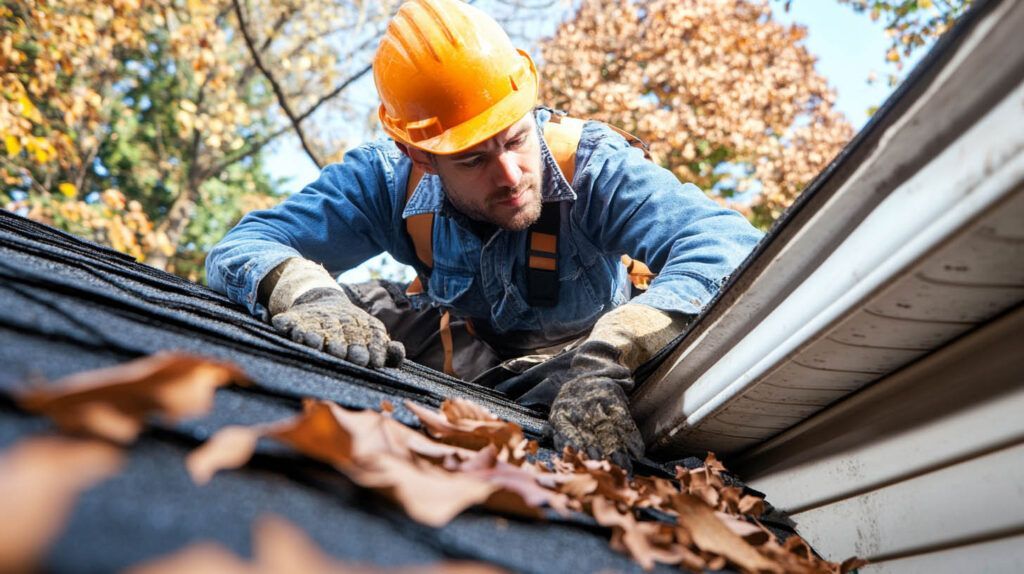
Ensuring personal safety before inspecting your roof is paramount. Equipping yourself with proper safety gear, such as a hard hat and non-slip footwear, mitigates the risks associated with working at heights. A sturdy ladder, rated for your weight and the expected load, should be positioned on level ground and secured before climbing.
Being aware of your surroundings is crucial, especially regarding severe weather events. Avoid inspection during heavy rain or high winds, which can exacerbate slippery conditions. Collaboration with a partner is advisable to enhance safety and provide assistance if needed. Prior to ascent, conduct a thorough inspection of the roof for any visible hazards, such as loose shingles or structural issues. Adhering to these safety practices ensures a productive and secure evaluation of your roof.
Tools Needed for Initial Roof Assessment
A thorough evaluation of your roof begins with the right tools at hand. Essential items include a sturdy ladder, allowing safe access to different roof sections, and safety gear such as gloves and goggles to protect against debris. A flashlight is crucial for illuminating dark areas and identifying hidden damage, while a trowel aids in inspecting roofing cement for adhesion issues. Additionally, bring along roofing nails for any immediate repairs and a camera for documentation, which can assist during discussions with a roofing contractor if professional help is later deemed necessary.
Step-by-Step Guide for Basic DIY Roof Repairs
Assessing and addressing minor roof issues can extend the life of your roof and spare you from costly repairs later on. Start by identifying damaged shingles or areas prone to water leaks; loose or missing shingles can be replaced with the right materials, such as replacement shingles or roofing cement. Always check for algae growth or water stains, which may indicate small holes or deteriorating seals.
Identifying and Replacing Damaged Shingles
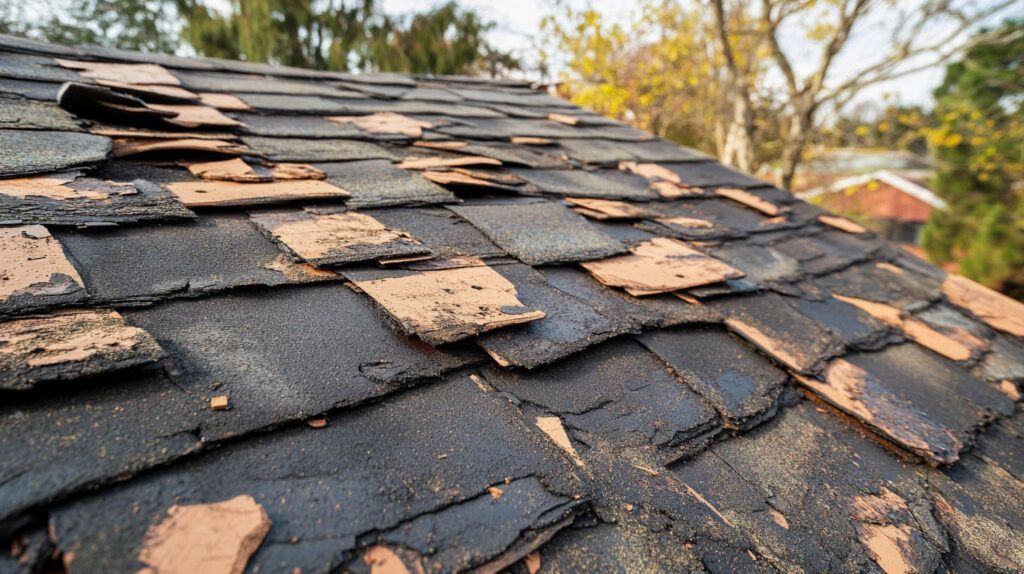
A careful visual inspection helps in identifying damaged shingles. Look for missing shingles, loose or curling edges, and any signs of algae growth. These issues can compromise the integrity of your roof, potentially leading to more severe problems like water damage or leaks. Use a sturdy ladder and ensure you wear safety gear throughout the process for protection against falls and sharp edges.
Addressing Minor Leaks and Sealant Issues
A proactive approach to minor leaks and sealant issues enhances the longevity of your roof. Start by inspecting areas around vents, chimneys, and any irregularities in the shingles where water might infiltrate. Small leaks can often be addressed with roofing cement, ensuring a proper seal that will mitigate further damage. For missing or loose shingles, replacement shingles should be carefully positioned and secured with roofing nails, allowing for optimal water drainage.
When to Consider Professional Roof Repair
Recognizing the right moment to seek professional roofing services is crucial for safeguarding your home. Signs of extensive roof damage, including widespread shingle damage or severe water stains, often indicate a need for immediate professional evaluation. Many homeowners overlook warning signs until they develop into costly repairs, risking their safety and the integrity of their homes.
Complex issues such as structural damage or leaks that require advanced techniques should be handled by a roofing professional. Additionally, if repairs encompass large sections of your roof or involve intricate components like proper drainage systems, engaging a team of professionals is advisable. This proactive approach not only ensures compliance with building codes but also provides long-term peace of mind, knowing your investment is in top condition.
Signs of Extensive Roof Damage
Recognizing the signs of extensive roof damage is essential for maintaining the integrity of your home. Look for widespread shingle damage such as missing or loose shingles, which can indicate major problems beneath the surface. Water stains or mold growth inside your home often signal significant leaks and potential structural issues, requiring immediate attention.
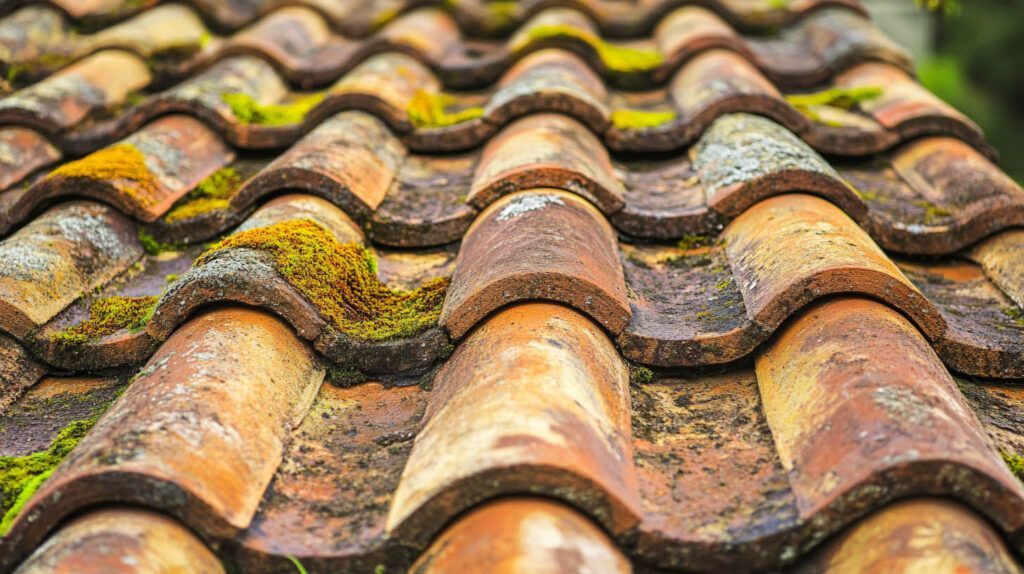
Pay attention to the condition of flashing around chimneys and vents, as compromised areas can lead to serious water intrusion. Additionally, signs of algae growth or sagging sections of the roof indicate that your roof may not only need minor repairs but could potentially require a professional evaluation. Delaying necessary professional assistance can lead to costly repairs, jeopardizing the life of your roof.
Issues Requiring Specialized Skills or Equipment
Certain roofing issues demand more than just basic DIY strategies—they require specialized skills and advanced techniques. Recognizing severe weather events as potential triggers for significant damage is crucial. A professional roofing service can conduct a thorough inspection to identify problems such as widespread shingle damage or structural issues that may compromise your roof’s integrity.
Complex repairs, like those involving extensive leaks or large sections needing replacement shingles, often necessitate professional assistance. The tools and knowledge required for proper installation and adherence to building codes are beyond the scope of typical DIY repairs. Homeowners can gain peace of mind by enlisting a roofing contractor whose expertise ensures durable solutions, preventing future costly repairs and safeguarding the life of your roof.
Why Choose Us
Deciding between DIY roof repairs and hiring professionals like 180 Contractors Roofing & Siding in Waterford, MI, is crucial for your home’s integrity. Assessing your roof’s condition enables informed choices. For minor issues like loose shingles or small leaks, DIY methods may suffice. However, extensive damage requires professional help. Certified by Owens Corning Preferred and CertainTeed Shingle Master, 180 Contractors offers peace of mind and prevents costly repairs. Regular inspections and prompt action on warning signs are vital for extending your roof’s lifespan.
Read our blog: How Long Does a Roof Last? Lifespan by Material and Climate
Frequently Asked Questions
When should you call a roofing professional?
Calling a roofing professional is essential when you notice extensive damage, such as sagging or missing sections, multiple leaks, or structural issues. Additionally, if the repairs require specialized skills or equipment beyond your capabilities, it’s wise to enlist expert help.
How much does it cost to fix a roof yourself?
The diy approach can save you money for minor repairs, like sealing small leaks or replacing a few shingles. But, the cost goes up if you need the right materials, for example roofing cement. Homeowner’s insurance may help with bigger repair bills.
When should I worry about my roof?
If you notice signs like missing shingles, persistent leaks, or sagging areas, it’s time to worry about your roof. Additionally, water stains on ceilings and increased energy bills may indicate underlying issues. Address these problems promptly to avoid costly repairs down the line.
GET A FREE QUOTE
We will get back to you as soon as possible.
Please try again later.
Recent Posts