Tornadoes and severe storms are a harsh reality for homeowners in Waterford, especially during peak storm seasons. While no roof is entirely tornado-proof, there are key strategies that can help your home better withstand high winds and flying debris. Preparing your roof in advance is crucial for reducing the risk of catastrophic damage.
At
180 Contractors Roofing & Siding, we emphasize tornado-readiness as part of our proactive roofing maintenance for homes located in storm-prone areas. While we’re based in Miami, our weatherproofing techniques align closely with the strategies used in high-risk regions like Waterford.
Understanding Tornado Risks
Tornadoes can produce winds of 100 to over 200 mph. These winds place immense pressure on roofs, especially at edges, corners, and eaves. In most cases, roofs fail not from a complete collapse but from small weaknesses—like loose shingles or damaged flashing—that escalate under stress.
The goal of tornado preparation is to strengthen your roof’s weakest points before the storm season hits.
Pre-Storm Roof Inspection
One of the most important steps is a thorough roof inspection. Look for:
- Loose or missing shingles
- Exposed or deteriorated flashing
- Weak fascia boards or soffits
- Damaged or unsecured gutters
- Signs of previous wind damage
A professional inspection ensures your roofing system is storm-ready and compliant with local codes.
Secure Roof Edges and Flashing
Wind pressure builds at the edges of your roof. Reinforcing eaves, rakes, and ridges with strong adhesive underlayment or metal drip edges can prevent uplift. Ensure all flashing is secured tightly and sealed to resist water and wind intrusion.
Brands like Owens Corning offer high-performance roofing components specifically engineered for wind uplift resistance—ideal for areas facing tornadic conditions.
Install Impact-Resistant Shingles
Standard asphalt shingles tear away under extreme wind. Upgrading to impact-rated or wind-resistant shingles greatly increases your roof’s ability to stay intact during a storm. Look for shingles tested to withstand winds of 110–130 mph or more, depending on your home’s location.
Nail pattern and installation method also matter—ask your contractor about using a six-nail pattern and enhanced sealant strips for added hold.
Reinforce Roof Decking
Roof decking is the plywood or OSB layer beneath your shingles. If not properly fastened, it can separate from the rafters under wind pressure. Use ring-shank nails or hurricane clips to secure decking to framing members. This upgrade can greatly improve a roof’s resistance to suction forces during a tornado.
Maintain Attic Ventilation and Bracing
Your attic structure plays a big role in roof stability. Poor ventilation leads to pressure imbalances that can lift your roof. Additionally, weak or unbraced rafters and trusses can collapse under shifting loads. Reinforce the interior with braces and ensure that ventilation pathways are balanced and unobstructed.
Emergency Leak Prevention
In storm-prone zones, it’s smart to keep emergency materials on hand:
- Roofing tarps
- Plastic sheeting
- Roofing nails and sealant
- A reliable flashlight and ladder
Having these supplies ready can help you respond quickly if damage occurs during a storm.
Gutter and Drainage Prep
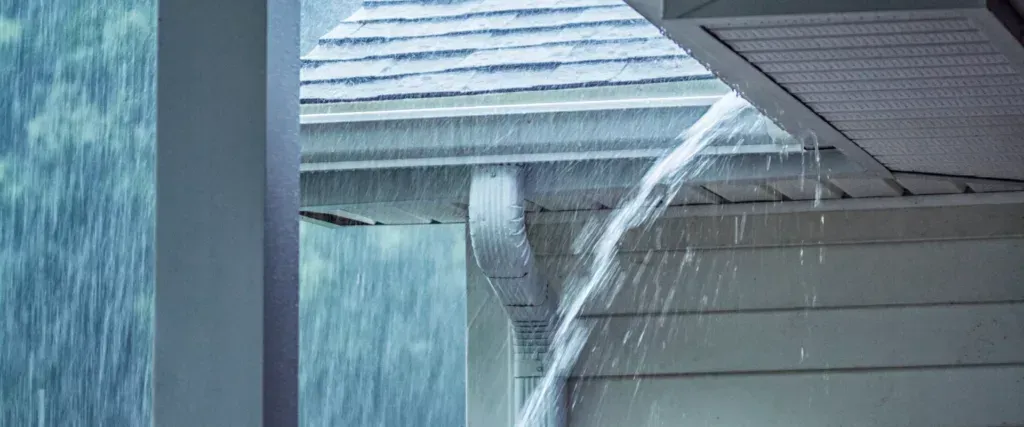
Heavy storms don’t just bring wind—they bring rain. Clogged gutters and poor drainage can cause water to back up under shingles or overflow against siding and foundations. Clean your gutters before storm season, and check that downspouts direct water away from your home.
Insurance and Documentation
Take photos of your roof before the storm season begins. This documentation can be crucial if you need to file an insurance claim. Ensure your policy covers wind damage and consider adding supplemental storm coverage if you’re in a high-risk area.
Final Thoughts
You can’t control the weather—but you can control how well your home stands up to it. Preparing your roof for Waterford tornado season means taking preventative steps now to avoid devastating losses later. From upgraded shingles to reinforced decking and flashing, every measure you take helps protect your home and family.
Read also our blog:
How to Protect Your Roof From Animal Infestation and Damage