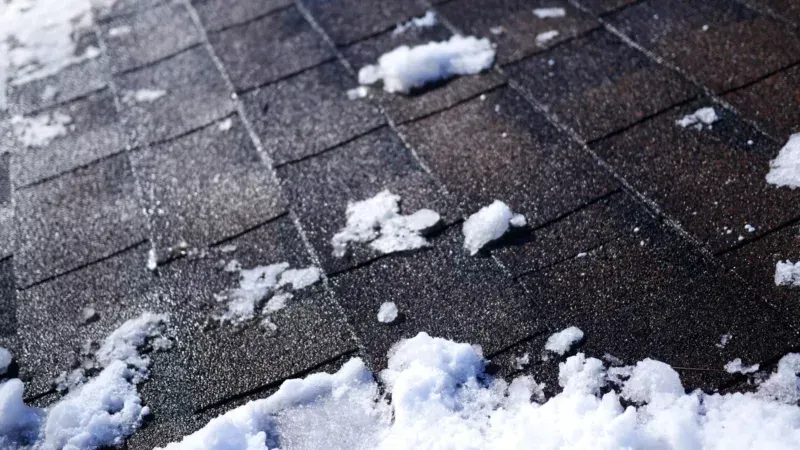
When it comes to roofing systems, ventilation is often overlooked by homeowners who focus more on visible elements like shingles or gutters. Yet roof vents play a critical role in protecting your home from internal and external damage. In fact, proper roof ventilation can enhance energy efficiency, prolong the life of your roofing materials, and prevent a range of costly issues.
For homeowners in Bloomfield Hills, MI, understanding the value of ventilation is especially important due to the area’s fluctuating climate. Working with knowledgeable professionals like 180 Contractors Roofing & Siding ensures your roof is not only structurally sound but also ventilated to meet long-term performance standards.
What Do Roof Vents Actually Do?
Roof vents facilitate airflow through your attic, which helps regulate temperature and moisture levels. During hot summer months, they allow heat to escape, keeping your attic from becoming a sauna. In winter, they prevent warm, moist air from building up and condensing, which can cause rot, mold, and ice dams.
There are typically two components to a balanced ventilation system:
- Intake vents: Located along the eaves or soffits, they draw cool air into the attic.
- Exhaust vents:
Positioned near the ridge or peak, they expel hot, humid air.
When these work together properly, you get a continuous flow of air that protects your home’s structure and improves energy efficiency.
Why Roof Ventilation Matters
1. Prevents Moisture Damage
Without adequate ventilation, moisture can accumulate in your attic from activities like cooking, showering, or running a humidifier. Over time, this damp environment can lead to wood rot, mold growth, and even structural weakening. A well-ventilated roof ensures this moisture has a way to escape.
2. Reduces Energy Bills
In the summer, a poorly ventilated attic can trap excessive heat, forcing your air conditioner to work harder. In contrast, good ventilation reduces attic temperatures and helps maintain a more consistent indoor climate, ultimately lowering your energy costs.
3. Prolongs Roof Lifespan
Heat and moisture can accelerate the breakdown of roofing materials, especially asphalt shingles. By controlling these elements, roof vents help extend the lifespan of your entire roofing system, saving you from premature repairs or replacement.
4. Prevents Ice Dams in Winter
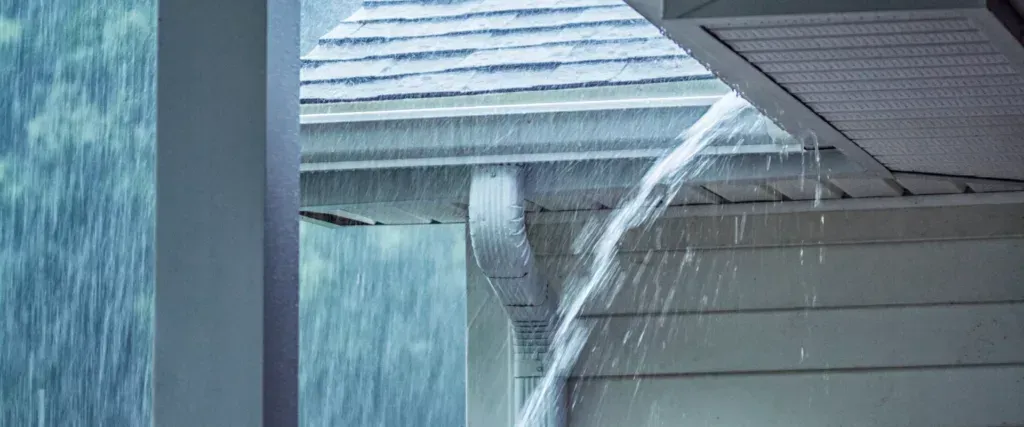
In colder months, warm air rising from your living space can melt snow on the roof. If the melted snow refreezes at the eaves, it forms ice dams that trap water and cause leaks. Proper attic ventilation keeps roof temperatures stable, helping to prevent ice dams altogether.
Common Types of Roof Vents
Several types of vents are used in residential roofing systems:
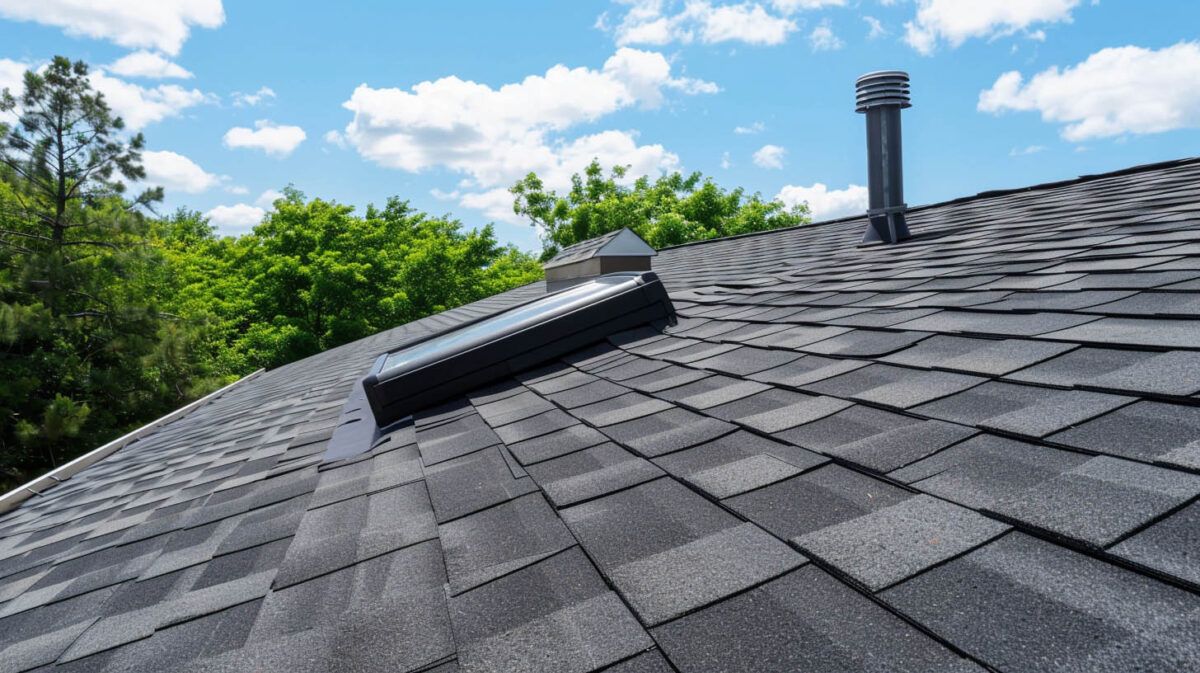
- Ridge vents:
Run along the peak of the roof and provide uniform ventilation.
- Box vents:
Static vents placed near the roof ridge, relying on natural convection.
- Turbine vents: Wind-powered vents that spin to expel hot air.
- Gable vents: Installed in the gable ends of the attic for cross-ventilation.
- Soffit vents: Installed under the eaves to allow fresh air into the attic.
Each has its pros and cons, and the right choice depends on your home’s design, local climate, and existing ventilation system.
Signs You May Have Poor Ventilation
Many homeowners don’t realize they have ventilation issues until damage is already done. Here are some warning signs:
- Condensation on attic windows or rafters
- Musty odors or mold spots in the attic
- Uneven heating or cooling in your home
- Peeling exterior paint near the roofline
- Ice dams forming on the eaves
If you notice any of these, it’s important to have your roof inspected by professionals who can assess and correct your ventilation setup.
Roof Ventilation and Local Climate
In Bloomfield Hills, MI, seasonal temperature swings and snow accumulation place extra stress on roofing systems. Ventilation is not just a luxury—it’s a necessity for homeowners looking to avoid ice dams, moisture buildup, and higher utility bills.
Partnering with a local company that understands these regional challenges makes a big difference. 180 Contractors Roofing & Siding is a trusted name in roofing excellence, recognized for their professionalism and certifications, including BBB A+ accreditation and Guildmaster recognition for outstanding customer service.
Can Roof Vents Be Added to Existing Roofs?
Yes, even if your current roofing system lacks adequate ventilation, you can retrofit vents to improve airflow. This may involve adding ridge, soffit, or gable vents, depending on your home’s construction. The key is to maintain a balanced intake and exhaust system—something that should be planned and installed by experienced professionals.
The Bottom Line
Do roof vents really make a difference? Absolutely. They protect your home from moisture damage, enhance energy efficiency, and extend the life of your roof. Overlooking ventilation can result in serious structural problems and unnecessary expenses down the line.
If you’re unsure whether your attic is properly ventilated, consult a professional for an inspection. In Bloomfield Hills, MI, 180 Contractors Roofing & Siding can help you optimize your ventilation system for peak performance and long-term peace of mind.
Read also our blog:
Which Is Better: Metal or Asphalt Shingles?