Choosing the right roofing material is one of the most important decisions a homeowner can make. Among the most common options, metal and asphalt shingles are two popular contenders—but which is better? The answer depends on your priorities, budget, and long-term goals for your home. In Troy, MI, where seasonal extremes are common, your choice of roofing can significantly impact durability, energy savings, and overall home value.
If you’re navigating this decision, working with a trusted local expert like 180 Contractors Roofing & Siding ensures you receive not only accurate product recommendations but also a high-quality installation tailored to your home’s needs.
Understanding the Basics
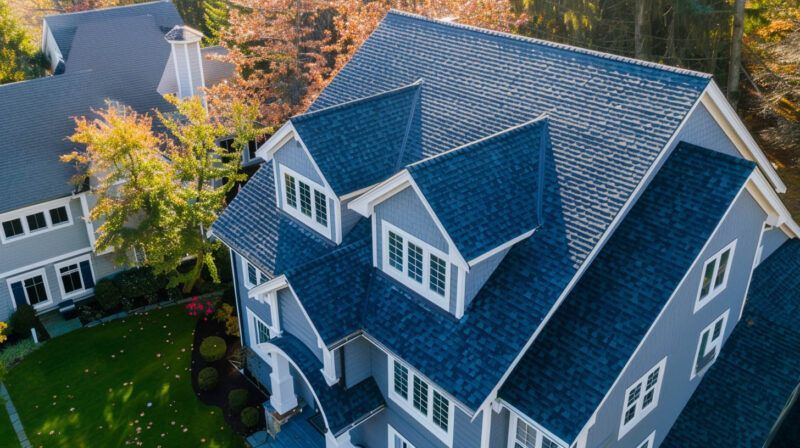
Asphalt shingles are the most commonly used roofing material in the U.S., prized for their cost-effectiveness and simple installation. They come in a broad range of colors and styles to suit nearly any architectural design and are typically made from fiberglass or organic mats coated with asphalt and mineral granules.
In contrast, metal roofing is becoming increasingly popular for its durability, long lifespan, and energy-saving properties. Constructed from materials like steel, aluminum, or copper, metal roofs are available in both panel and shingle forms and are often finished with protective coatings to prevent rust, fading, and corrosion.
Durability and Longevity
One of the most notable differences between asphalt and metal roofing is their lifespan. Asphalt shingles generally last between 15 and 30 years, depending on the product quality, installation craftsmanship, and local weather conditions.
Metal roofs, on the other hand, can endure for 40 to 70 years when properly maintained. They resist cracking, shrinking, and erosion, and are particularly effective in challenging climates with heavy snowfall, high winds, and intense heat.
For homeowners in Troy, where seasonal changes are dramatic, the long-lasting durability of metal roofing makes it a smart, long-term investment.
Energy Efficiency
Another area where metal roofing excels is energy efficiency. Metal reflects solar radiant heat, reducing cooling costs by 10% to 25% in the summer. When combined with the right insulation, this can significantly reduce your monthly utility bills.
Asphalt shingles absorb more heat, making them less ideal for energy savings. However, some modern versions feature reflective granules to offset this downside.
Cost Considerations
Asphalt shingles have a lower upfront cost, which is a major selling point for budget-conscious homeowners. They’re also less expensive to install and repair. For many, the affordability of asphalt is enough to make it the default choice.
Metal roofing, though more expensive initially, often pays for itself in the long run through reduced maintenance, lower energy bills, and a longer lifespan. Additionally, many homeowners find that a metal roof increases their home’s resale value.
Installation and Repairs
Asphalt shingles are easier to install and replace, which means faster project timelines and lower labor costs. Most roofing contractors are experienced with asphalt, making it a reliable and readily available option.
Metal roofing requires more specialized knowledge. Improper installation can result in issues such as oil canning or water penetration. However, when installed by a qualified team, metal roofs require less maintenance and are more resilient against the elements.
Aesthetic Appeal
Asphalt shingles come in many colors and styles, including architectural shingles that mimic the appearance of wood or slate. This versatility makes it easy to match your roof to your home’s architectural style.
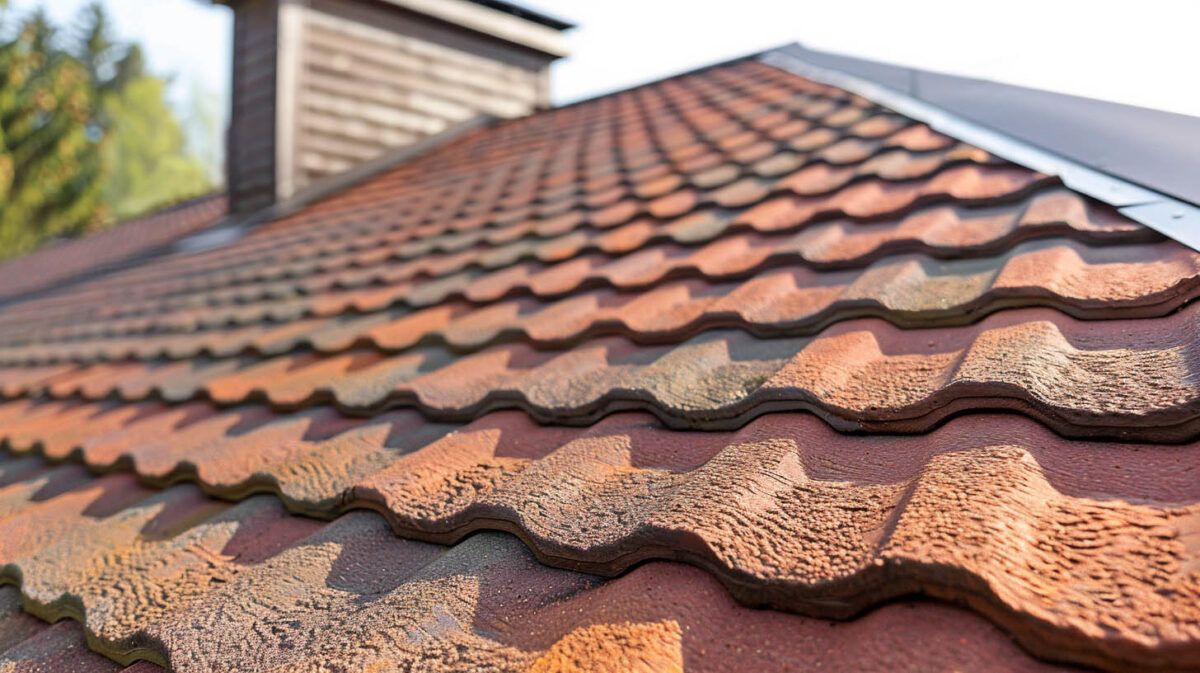
Metal roofing used to be considered industrial-looking, but that’s changed. Today’s metal roofing is available in a variety of profiles and finishes, including options that resemble wood shake or tile, offering both durability and visual appeal.
Environmental Impact
If sustainability is a priority, metal roofing has a clear edge. Most metal roofs are made from recycled materials and are fully recyclable at the end of their life. Their energy-saving properties also reduce overall carbon emissions.
Asphalt shingles, by contrast, are petroleum-based and not biodegradable. While some recycling programs exist, a large portion of used shingles still ends up in landfills.
Choosing What’s Right for Your Home
Ultimately, the choice between metal and asphalt shingles depends on what matters most to you: upfront cost, longevity, energy savings, or visual aesthetics.
- Choose asphalt shingles if:
You want an affordable, easy-to-install solution with versatile design options and you’re okay with replacing your roof in 20 years.
- Choose metal roofing if:
You’re planning to stay in your home long-term and want an energy-efficient, durable, and environmentally friendly solution.
In Troy, MI, the expert team at 180 Contractors Roofing & Siding can guide you through the pros and cons of each option and help you make an informed decision based on your home’s architecture, your budget, and your long-term plans.
Their experience and industry certifications—including Owens Corning Preferred Contractor status and BBB A+ accreditation—underscore their commitment to quality roofing solutions tailored to local homeowners.
Read also our blog:
Complete Guide to Wood Shingles