When selecting a new roof, most homeowners focus on durability, style, and cost—but there’s another factor worth considering: color. Believe it or not, your roof’s color can influence your home’s indoor temperature, energy consumption, and overall comfort. In a climate like Bloomfield Hills, MI, where summers bring heat and winters bring snow, roof color plays a subtle but important role in performance. So, does roof color really affect your home’s temperature? The short answer is yes—and here’s why.
The Science Behind Roof Color and Heat Absorption
It all comes down to how different colors interact with sunlight. Dark colors absorb more light and heat, while light colors reflect it.
- Dark-colored roofs (like black, dark gray, or brown) absorb more of the sun’s rays, which increases surface temperature.
- Light-colored roofs (like white, beige, or light gray) reflect more sunlight, helping to keep the roof and attic cooler.
This difference in absorption can lead to a 30–50°F variance in the surface temperature of your roof—especially during summer. That temperature difference can impact your attic, insulation, HVAC load, and ultimately your utility bills.
Summer Heat and Cooling Costs
In warmer months, dark roofs can cause attic temperatures to rise significantly, especially if the attic is poorly ventilated or under-insulated. This trapped heat radiates downward, forcing your air conditioner to work harder to cool your living space.
Choosing a lighter-colored roof or roofing material with reflective properties can help reduce attic heat gain, improving indoor comfort and reducing energy use. For homeowners in Bloomfield Hills, MI, where humid summer weather is common, the benefits of reflective roofing materials are noticeable.
Winter Performance: Are Dark Roofs Better?
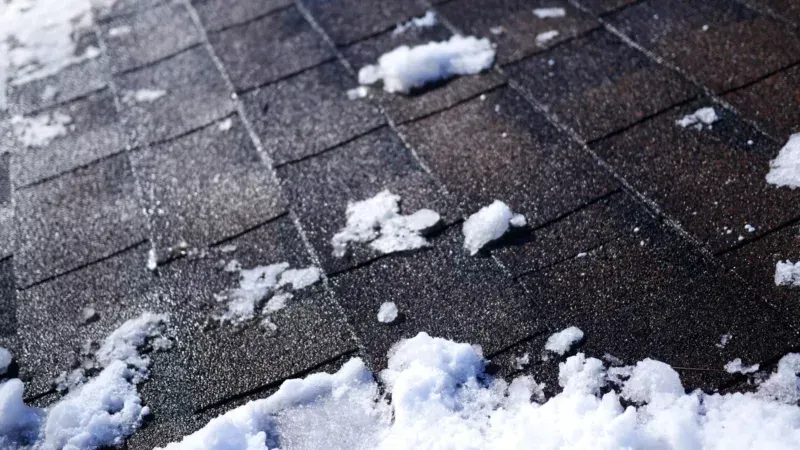
In colder seasons, some homeowners believe that darker roofs help melt snow faster by absorbing more heat. While this is true to an extent, the effect is usually minimal unless your roof receives direct, sustained sunlight—and snow melt can still refreeze at the eaves, causing ice dams.
Rather than relying on roof color for winter performance, focus on proper insulation and attic ventilation, which play a far greater role in managing roof temperature and preventing snow-related issues.
Cool Roofing Technology: Best of Both Worlds
Modern roofing materials are available in a wide range of colors—including dark ones—that feature reflective granules designed to bounce back infrared rays. This means you can enjoy a darker-colored roof without the extra heat load.
Top brands like Owens Corning offer ENERGY STAR® rated shingles that reflect more solar energy than traditional materials, regardless of color. These cool roofing options are ideal for Michigan homes that want energy savings without compromising on style.
Home Orientation and Surroundings
Keep in mind that the impact of roof color can vary based on:
- Home orientation
(north/south exposure affects sunlight levels)
- Tree coverage
(shade reduces direct solar absorption)
- Roof pitch
(steep roofs shed heat faster than flat roofs)
If your home is shaded by trees or only gets partial sun, roof color may play a lesser role in heating and cooling costs.
Neighborhood Aesthetics and HOA Guidelines
While energy performance is important, don’t forget about curb appeal. Your roof should harmonize with your home’s siding, trim, and surrounding homes.
Some neighborhoods or HOAs in Bloomfield Hills, MI may even have rules about acceptable roofing colors. Be sure to check these before making your final decision.
That said, today’s roofing technology allows you to balance aesthetics and efficiency more easily than ever before.
Work With Professionals to Choose the Right Color
Choosing a roof color isn’t just a design decision—it’s a performance decision, too. That’s why it’s smart to consult with experts who understand both roofing systems and climate impact.
180 Contractors Roofing & Siding has helped countless homeowners in Bloomfield Hills, MI select roofing materials and colors that not only complement their home’s architecture but also support energy efficiency goals.
They’ll walk you through color samples, performance data, and even offer virtual visualizations so you can confidently make the best choice for your home.
Final Thoughts
Yes, your roof color really does affect your home’s temperature—and, by extension, your comfort and utility bills. While it’s not the only factor in your home’s energy performance, it’s a critical part of the equation.
With the help of energy-efficient materials from brands like Owens Corning and installation by certified professionals like 180 Contractors Roofing & Siding, you can choose a roof color that’s as smart as it is stylish.
Read also our blog:
How a Proper Roof Install Saves on Utilities