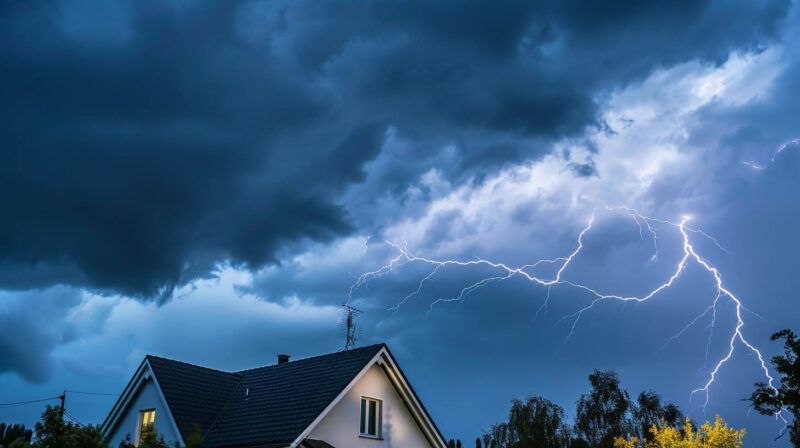
When severe weather hits, your roof is your home’s first and most important defense. High winds, heavy rain, hail, and snow can all cause costly damage—especially if your roof isn’t properly prepared. For homeowners in Waterford, MI, where storms can strike year-round, taking proactive steps to storm-proof your roof can make all the difference. Here are the top tips to get your roof storm-ready and avoid expensive repairs or replacements.
1. Start With a Professional Inspection
The most effective way to prepare your roof for a storm is to schedule a professional inspection. An expert roofer can identify weak spots, missing or damaged shingles, poor flashing, loose gutters, and other issues that can turn into major problems when severe weather hits.
180 Contractors Roofing & Siding offers comprehensive roof inspections in Waterford, MI, ensuring your roofing system is ready to stand up to Michigan’s unpredictable storms.
2. Check and Secure Shingles
Loose, cracked, or curling shingles are particularly vulnerable during windstorms. Storm gusts can lift or tear them off completely, exposing your roof deck to moisture. Before storm season arrives, inspect your shingles and replace any that are damaged or missing.
Consider upgrading to Owens Corning architectural shingles if your current roof is aging. These high-performance shingles are engineered to resist wind uplift, impact, and moisture—making them a smart investment for long-term storm protection.
3. Reinforce Roof Flashing and Edges
Flashing—the metal used to seal roof joints and edges—is one of the most common failure points during a storm. Make sure all flashing around chimneys, skylights, vents, and valleys is securely fastened and free of rust or gaps.
Edge shingles and ridge caps should also be firmly in place. Even small openings can allow wind-driven rain to infiltrate your roof structure.
4. Clean and Secure Your Gutters
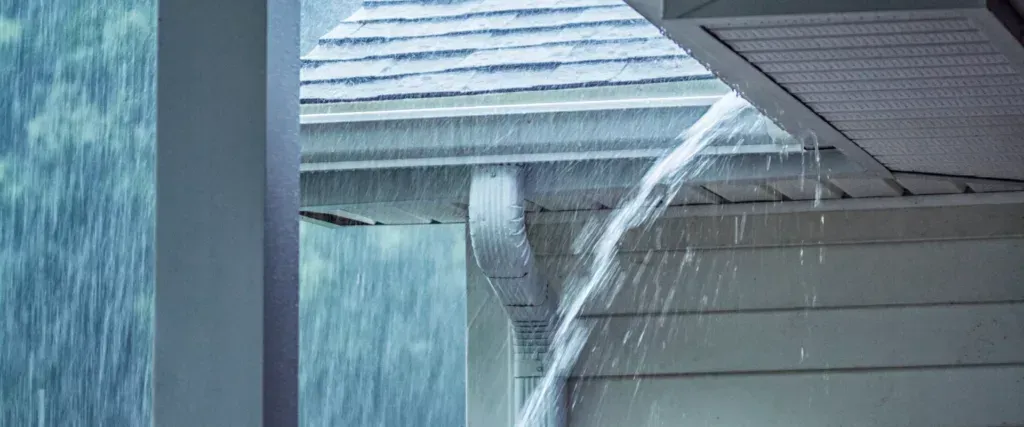
Clogged gutters prevent water from draining properly, which can cause overflow and water pooling near your roof or foundation. Before storm season, clean your gutters and downspouts thoroughly.
Also, ensure that gutters are securely attached to your home. Loose or sagging gutters can detach under heavy rain or wind, damaging your siding or eaves in the process.
5. Trim Trees and Remove Debris
Tree limbs that hang over your roof pose a serious threat during storms. High winds can break branches, causing them to fall and puncture shingles—or worse, your roof deck.
Cut back branches that extend near or over your roof, and remove any dead or weak limbs. Also, clear any roof or yard debris that could become airborne and cause impact damage.
6. Inspect Attic Ventilation and Insulation
A well-ventilated and properly insulated attic reduces the risk of moisture buildup and prevents heat from damaging your shingles. Storms often bring rapid temperature changes, which can increase stress on your roofing system.
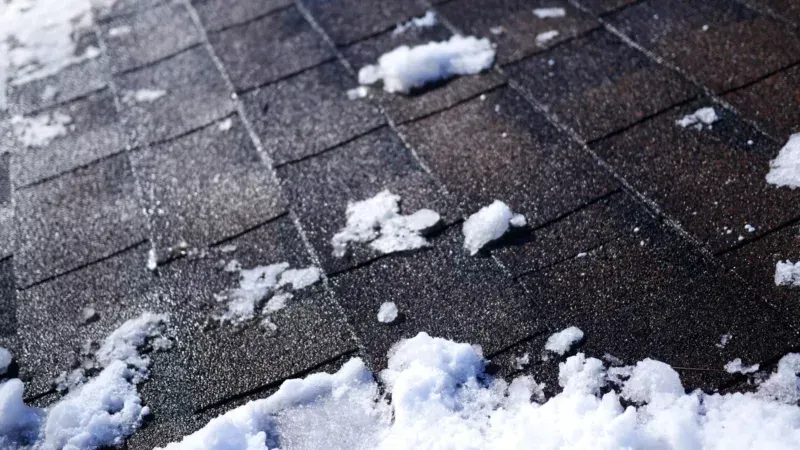
Proper airflow helps maintain consistent temperatures and prevent problems like ice dam formation in winter or blistering shingles in summer.
7. Know Your Insurance Coverage
Understanding your homeowners insurance policy before a storm hits is just as important as physical prep. Make sure your policy covers storm-related damage and that you know how to file a claim.
Keep copies of your most recent roof inspection report and photographs of your roof in its current condition. This documentation can be extremely valuable in case you need to prove storm-related damage later.
8. Work With a Certified Local Roofing Company
When it comes to storm prep, partnering with a knowledgeable and reliable contractor can make all the difference. Look for a local roofing company with a proven track record and manufacturer certifications.
180 Contractors Roofing & Siding is trusted across Waterford, MI for storm-readiness inspections, preventative maintenance, and repairs using top-quality materials like Owens Corning. Their experienced team helps homeowners protect their property and prepare for whatever weather comes their way.
Final Thoughts
Preparing your roof before a storm hits is far more effective—and far less expensive—than dealing with major damage afterward. With regular maintenance, high-quality materials, and expert guidance, you can ensure your roof is ready to handle Michigan’s toughest conditions.
Read also our blog:
What Roof Warranties Really Cover