When installing or replacing a roof, one of the most critical—but often overlooked—components is the drip edge. This small piece of metal flashing plays a big role in protecting your home from water damage, pest intrusion, and premature roof failure. In Troy, MI, where seasonal rain, snow, and wind can be intense, installing a drip edge correctly is essential for any long-lasting roofing system.
At
180 Contractors Roofing & Siding, we make drip edge installation a standard part of every roof we build. It’s one of the simplest ways to reinforce your home’s weather protection and ensure your investment performs for decades to come.
What Is a Drip Edge?
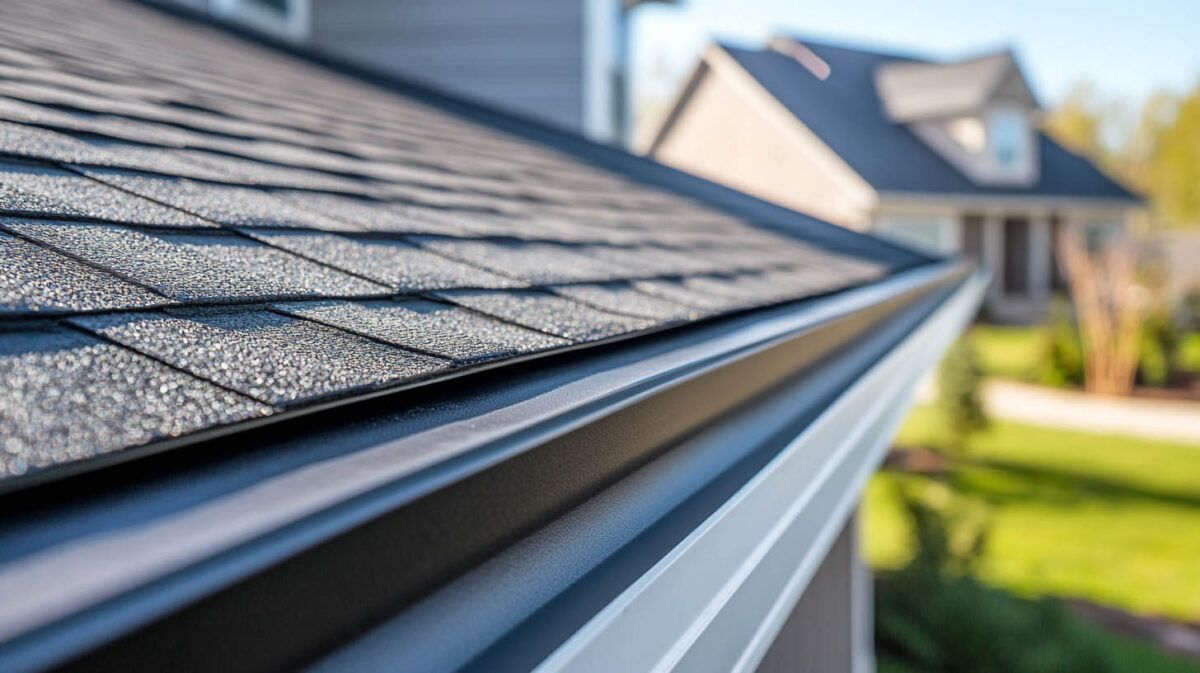
A drip edge is a thin strip of metal—usually aluminum, steel, or galvanized flashing—installed along the edges of your roof. It directs rainwater away from the fascia and into the gutter system, preventing moisture from seeping into the underlying structure.
Drip edges are placed under the first layer of shingles and extend slightly over the edge of the roof. They’re essential for creating a clean, finished look while delivering crucial water control.
Why Drip Edges Are a Must in Troy, MI
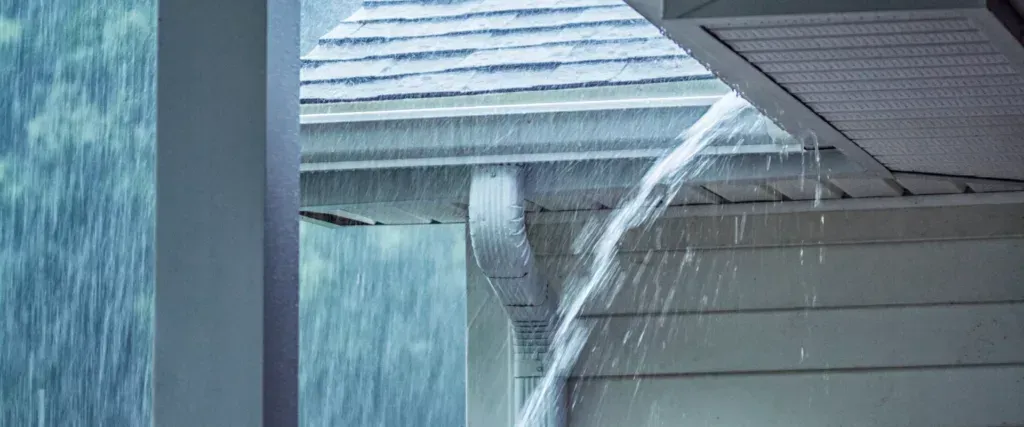
In Troy, MI, roof edges are exposed to heavy snowfall, melting ice, and driving rain. Without a drip edge, water can:
- Soak into fascia boards, causing rot
- Drip behind gutters, leading to water infiltration
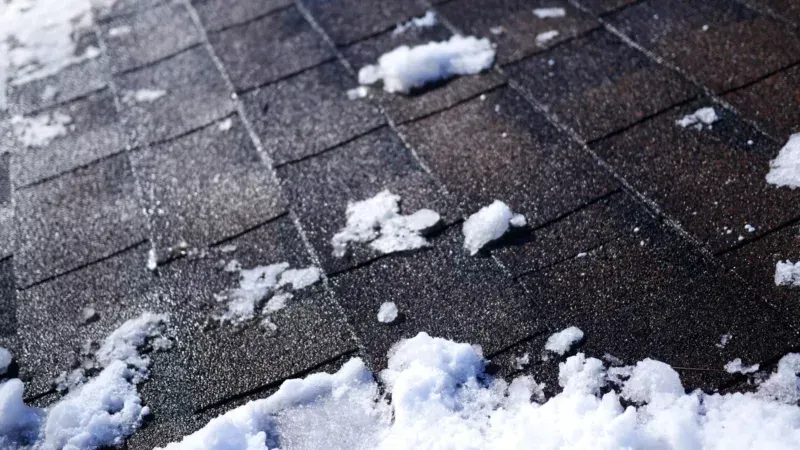
- Freeze in winter and expand, damaging roof decking
- Invite insects or rodents through moisture-compromised wood
Even a high-quality roof can fail prematurely if water isn’t managed at its most vulnerable point—the edge.
Key Benefits of Drip Edge Installation
1. Water Protection
The primary function of a drip edge is to prevent water from getting underneath your shingles and damaging the roof deck. It channels runoff directly into the gutters and keeps moisture away from structural wood components.
2. Fascia and Soffit Preservation
Drip edges help preserve the life of your fascia boards by keeping water and debris away from them. This reduces the chance of wood rot, staining, and pest damage over time.
3. Ice Dam Prevention
During winter in Troy, ice dams can cause water to back up under shingles. A properly installed drip edge acts as a barrier that helps prevent this water from infiltrating your roof’s lower edge.
4. Enhanced Roof Longevity
By preventing water damage and protecting roof components, drip edges contribute to the overall lifespan of your roof—saving you money on future repairs or replacements.
5. Required by Code and Warranties
Michigan building codes now require drip edges on all shingle roofing systems. Additionally, manufacturers like Owens Corning often mandate drip edge installation as part of their product warranties. Skipping it could void your coverage and cost you down the line.
How Is a Drip Edge Installed?
A professional roofing team will:
- Lay drip edge flashing along the eaves before underlayment is applied
- Install a second section along rake edges (sloped sides of the roof)
- Overlap drip edge sections to ensure proper drainage
- Secure it with galvanized roofing nails and sealant when needed
Each step requires precision to prevent lifting, improper water flow, or gaps that can lead to failure.
Material Options
Common drip edge materials include:
- Aluminum: Lightweight and corrosion-resistant
- Galvanized steel:
Durable and strong, ideal for harsh weather
- Copper: Long-lasting and attractive, but higher in cost
All types should extend at least 1 inch beyond the roof deck and be installed to meet both manufacturer guidelines and local code.
Maintenance and Inspection Tips
Once installed, drip edges require minimal upkeep. However, it’s smart to inspect them annually for:
- Bent or loose edges after wind storms
- Clogs caused by debris buildup near gutter lines
- Rust or corrosion on steel edges (especially if paint is chipped)
Include drip edge inspection as part of your seasonal roof maintenance routine.
Final Thoughts
Though it may seem like a minor detail, a drip edge is one of the most important components of your roofing system. In Troy, MI, where the elements are tough on homes, adding a drip edge is a simple, cost-effective way to ensure your roof lasts longer and performs better. If you’re replacing your roof or repairing storm damage, insist on professional drip edge installation for maximum protection.
Read also our blog:
Roof Noise Problems? Tips for Soundproofing and Insulation