Is your roof keeping you up at night? From pounding rain to creaking rafters, noise issues in your roofing system can quickly turn your home from a place of rest into a source of frustration. Fortunately, there are proven strategies to reduce or eliminate unwanted roof noise. For homeowners in Waterford, MI, where wind, rain, snow, and even hail are seasonal realities, addressing roof noise is a key part of maintaining home comfort.
At
180 Contractors Roofing & Siding, we regularly help clients identify the source of roof-related noise and implement soundproofing and insulation solutions that create a quieter, more relaxing indoor environment.
Common Sources of Roof Noise
Understanding where the noise is coming from is the first step in solving the problem. Common culprits include:
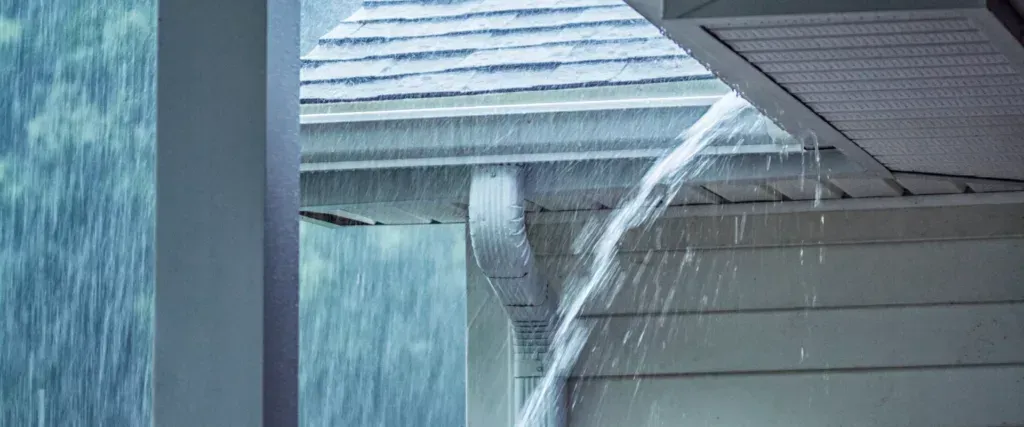
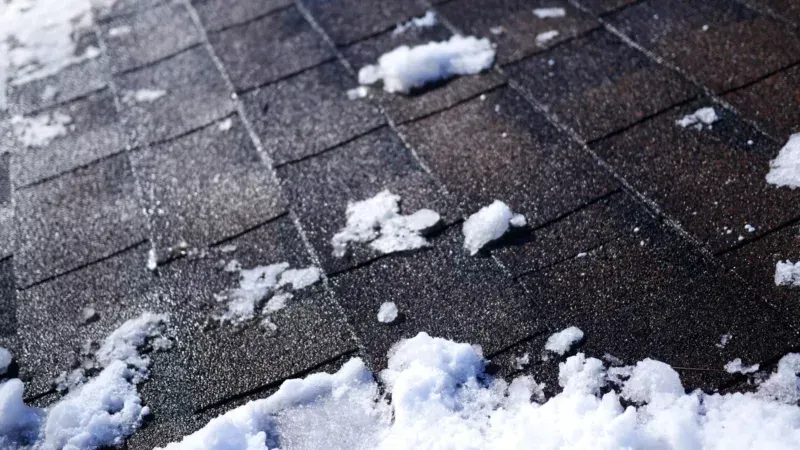
- Rain and hail impacting the roofing surface
- Loose shingles or flashing
rattling in the wind
- Creaking or popping sounds from expanding or contracting roof framing
- Animals or birds
moving on or inside the roof
- HVAC duct noise amplified by a poorly insulated attic
In Michigan’s fluctuating weather, these issues are often intensified by temperature swings and seasonal storms.
Step 1: Upgrade Your Roof Insulation
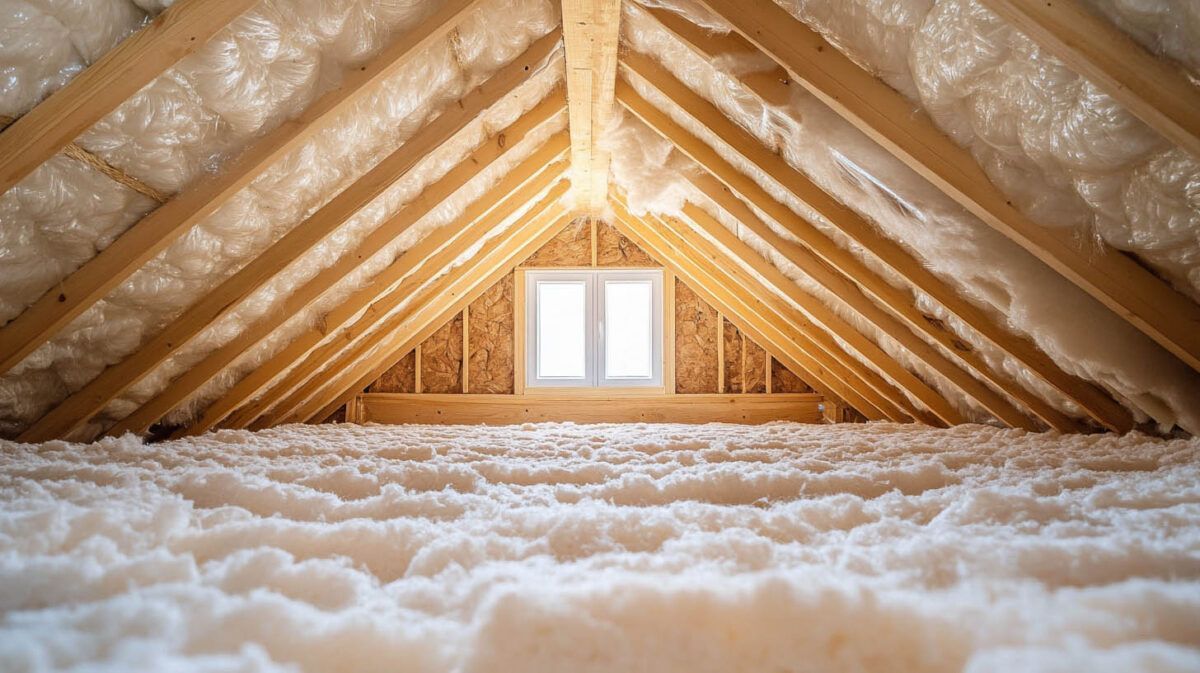
Insulation plays a critical role in both energy efficiency and noise reduction. A well-insulated attic helps muffle external sounds while keeping indoor temperatures consistent. Consider the following materials:
- Fiberglass batt insulation – Widely used, cost-effective, and effective at reducing noise
- Spray foam insulation – Offers excellent air sealing and soundproofing properties
- Cellulose insulation – Dense and environmentally friendly with strong sound absorption
Ensuring your attic insulation meets recommended R-values for Waterford, MI (R-49 or higher) can dramatically reduce sound penetration while improving thermal performance.
Step 2: Install Sound-Reducing Roofing Materials
Some roofing materials naturally reduce noise better than others. For example:
- Asphalt shingles –
Generally quieter than metal due to their layered construction
- Rubber or composite shingles – Known for noise-dampening properties
- Owens Corning architectural shingles – Designed with multi-layer technology to help absorb sound
If you’re planning a roof replacement, choosing a material with noise control in mind can improve your home’s acoustic comfort.
Step 3: Address Structural Movement and Expansion Sounds
Temperature shifts cause wood framing and decking to expand and contract, leading to creaks and popping sounds. To minimize this:
- Ensure rafters and trusses are properly braced and anchored
- Replace or tighten any loose fasteners or nails
- Use metal connectors or hurricane ties for added stability
These improvements not only reduce noise but also reinforce your roof against wind uplift and storm damage.
Step 4: Seal Gaps and Penetrations
Openings around vents, pipes, skylights, or chimneys can let in wind noise or act as echo chambers. Seal these gaps with:
- Acoustical caulk or expanding foam
- Gasketed vent covers or baffles
- Weatherproof flashing tape around fixtures
Reducing air movement through these areas also improves insulation performance and energy efficiency.
Step 5: Check for Animal Activity
Noises in the roof could be caused by animals like squirrels, raccoons, or birds. If you hear scratching or scurrying, it’s time to inspect your soffits, fascia, and attic for signs of intrusion.
We recommend using pest-proof vent screens and keeping nearby trees trimmed to reduce access. If an infestation has occurred, hire a professional to remove the animals and repair any damage.
Step 6: Use Attic Soundproofing Panels
For added noise control, consider installing acoustic panels or sound-deadening mats inside the attic. These materials are often used in recording studios and commercial buildings but are gaining popularity in residential applications for their effectiveness.
When to Call a Professional
If you’ve tried several of these steps but the noise persists, a roofing contractor can:
- Pinpoint the source of the noise using tools like thermal imaging or sound sensors
- Check for underlying issues like poor ventilation or structural movement
- Recommend roofing system upgrades for better sound control
In Waterford, MI, regular inspections are especially important due to shifting seasonal weather that stresses roofing systems year-round.
Final Thoughts
A noisy roof doesn’t have to be a permanent part of your life. With the right combination of insulation, materials, and sealing, you can significantly reduce roof-related noise and enjoy a more peaceful home environment. Whether you’re retrofitting a current system or building a new one, addressing soundproofing now pays off in long-term comfort and value.
Read also our blog:
How to Clean Your Roof Drains and Prevent System Backups