Flat roof systems are gaining popularity among both residential and commercial property owners for their sleek appearance and space-saving advantages. In a place like Bloomfield Hills, MI—where varying weather patterns put roofs to the test—choosing the right flat roofing system is crucial for long-term durability and performance.
Whether you’re considering a flat roof for a new construction project or replacing an old one, this comprehensive guide will help you understand your options, benefits, and key considerations.
What Is a Flat Roof System?
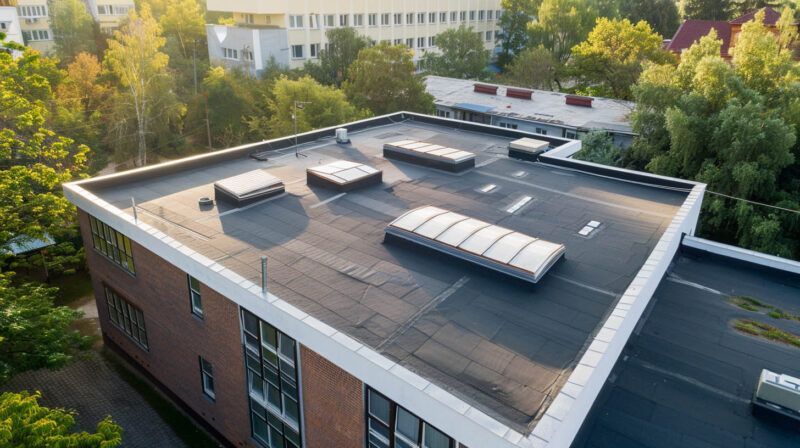
A flat roof is designed with a slight slope—typically 1/4 inch per foot—to facilitate water runoff. While it may appear completely level, the minimal pitch is essential for preventing pooling water. Flat roofs are commonly used in modern home architecture, commercial buildings, and multi-unit dwellings.
Common Types of Flat Roofing Systems
1. Built-Up Roofing (BUR)
This traditional system consists of multiple layers of roofing felt saturated with bitumen (asphalt) and topped with gravel. BUR offers excellent waterproofing and UV protection but is heavier and requires a strong support structure.
2. Modified Bitumen
Modified bitumen systems combine asphalt with rubber or plastic polymers to enhance flexibility and strength. They’re typically rolled out in sheets and adhered with heat, cold adhesives, or self-adhesive backing. This option is durable and relatively easy to maintain.
3. EPDM (Ethylene Propylene Diene Monomer)
EPDM is a synthetic rubber roofing membrane known for its durability, UV resistance, and affordability. It is black in color, making it better for cold climates but less effective at reflecting heat in warmer seasons.
4. TPO (Thermoplastic Olefin)
TPO is a white, reflective roofing membrane that improves energy efficiency by deflecting UV rays. It’s heat-welded at the seams for strong waterproofing and is often chosen for its balance of cost, performance, and sustainability.
Advantages of Flat Roof Systems
- Affordability: Flat roofs generally cost less to install due to reduced materials and faster installation.
- Ease of Access:
Their flat surface makes them easier to inspect, maintain, or modify with HVAC units, solar panels, or rooftop gardens.
- Modern Aesthetic:
Many homeowners choose flat roofs for their clean lines and contemporary appearance.
Key Maintenance Tips
Flat roofs require regular inspections to avoid costly repairs. Here’s what to focus on:
- Clear debris and check for ponding water
- Inspect seams and flashing for deterioration
- Look for blisters, cracks, or punctures in the membrane
Routine maintenance can extend the life of your roof significantly.
Trusted Materials and Warranties
For homeowners looking for added peace of mind, Owens Corning provides advanced underlayment and insulation products that pair well with flat roofing systems. Their high-quality materials offer increased durability, energy efficiency, and come backed by comprehensive warranties.
Work With Local Experts You Can Trust
If you’re ready to explore your flat roofing options or need an expert evaluation, contact 180 Contractors Roofing & Siding in Bloomfield Hills, MI. Their experienced team offers installation, repair, and consultation services tailored to your specific needs. Visit 180 Contractors Roofing & Siding to get started.
Final Thoughts
Flat roof systems are practical, versatile, and aesthetically appealing—but choosing the right materials and professional installation is key. In Bloomfield Hills, where seasonal extremes are the norm, investing in a reliable flat roof system can provide long-lasting value and protection.
Read also our blog:
Warning Signs That Your Roof May Be Failing