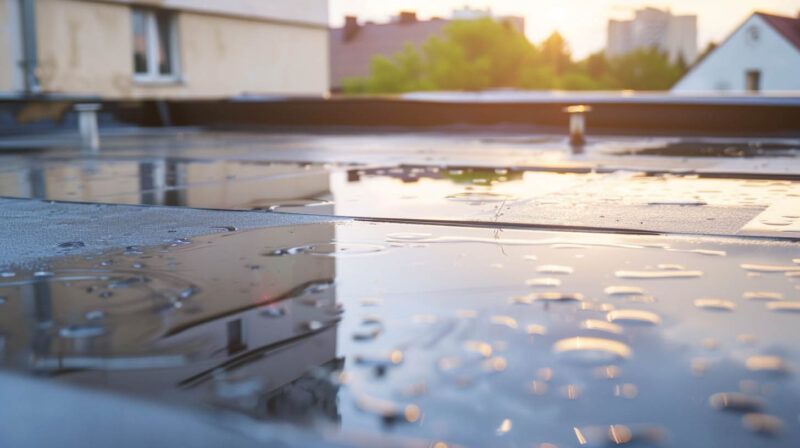
Flat roofs are a popular option for many homes and commercial buildings in Waterford, MI thanks to their affordability, modern look, and space-saving design. However, one of the most common and problematic issues they face is pooling water. Also known as “ponding,” this condition occurs when water remains on the roof for more than 48 hours after rainfall. If left unaddressed, it can lead to leaks, structural damage, mold growth, and a significantly reduced roof lifespan.
Here’s what causes water to pool on flat roofs—and more importantly, how you can prevent and fix it.
What Causes Pooling Water?
Inadequate Slope
Despite their name, flat roofs aren’t entirely flat—they should have a slight slope (or pitch) to allow for proper drainage. If the slope is insufficient or compromised during installation, water will collect in low spots.
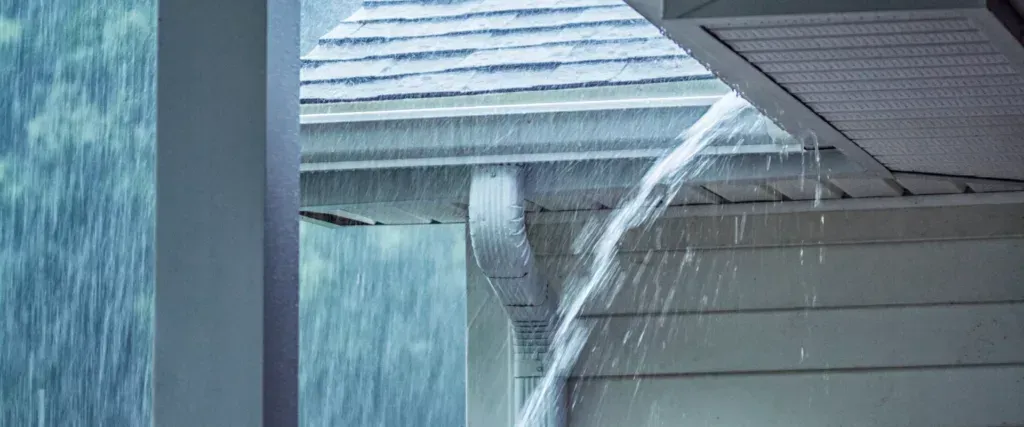
Clogged Drains or Gutters
Debris from nearby trees, dirt, or roofing material can block drainage systems. When water can’t flow freely off the roof, it begins to accumulate.
Compressed Insulation or Decking
Heavy foot traffic or equipment placed on the roof can compress insulation or decking underneath, creating dips that collect water.
Deteriorating Membranes
Over time, the waterproof membrane on your flat roof may blister, crack, or shrink, especially under harsh weather conditions. These imperfections can create low spots where water settles.
Dangers of Pooling Water
Prolonged standing water weakens the roof structure and can lead to:
- Membrane degradation
- Interior leaks and water damage
- Mold or algae growth
- Reduced energy efficiency
- Premature roof failure
The weight of the water can also cause sagging over time, posing a potential structural hazard if left unchecked.
How to Fix and Prevent Pooling Water
1. Improve Roof Drainage
The most effective solution is ensuring your flat roof has adequate drainage. That may involve:
- Installing additional interior drains or scuppers
- Clearing clogged gutters and downspouts
- Adjusting or correcting the slope using tapered insulation systems
2. Repair Membrane Damage
Have a professional inspect your roofing membrane for cracks, punctures, or blisters. Sealing or replacing damaged areas prevents further water intrusion.
3. Re-pitch the Roof
In severe cases, your roofer may recommend re-pitching the roof using tapered insulation or redesigning the drainage plan. This is a more involved fix but can provide a long-term solution to chronic ponding.
4. Routine Maintenance
Stay proactive with regular inspections, especially after storms. Remove debris, check drainage systems, and monitor for signs of sagging or bubbling.
Local Expertise You Can Trust
If you’re dealing with standing water on your flat roof, don’t wait until leaks form. 180 Contractors Roofing & Siding in Waterford, MI offers expert flat roof inspection, maintenance, and repair services tailored to local conditions. Visit 180 Contractors Roofing & Siding to schedule an appointment.
Consider Upgrading Materials
Many modern flat roofing systems, including those made by Owens Corning, offer advanced waterproofing and durability. Investing in quality materials can reduce the likelihood of ponding and extend your roof’s lifespan.
Final Thoughts
Pooling water is one of the biggest threats to the longevity of flat roofs, but it doesn’t have to be. With routine maintenance, proper drainage, and help from trusted roofing professionals, you can keep your roof dry, secure, and performing at its best.
Read also our blog:
The Biggest Advantages of Metal Roofing